Newsletter Subscribe
Enter your email address below and subscribe to our newsletter
[forminator_form id="25163"]

All voices matter
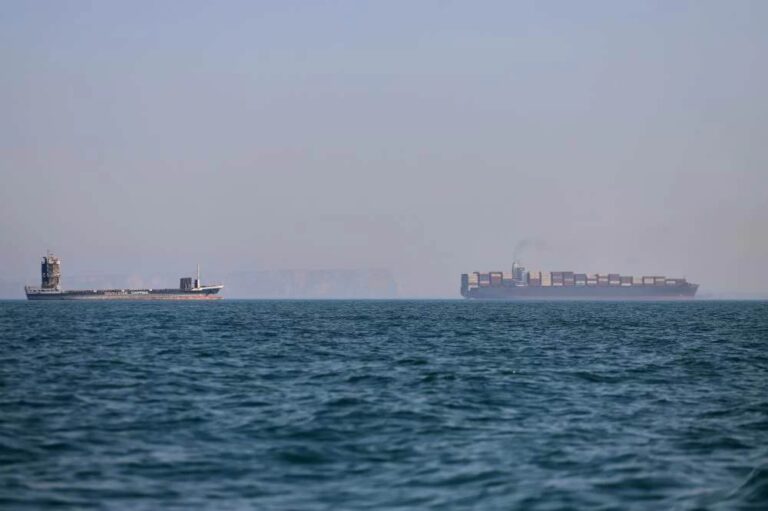
moneycontrolworldoilmoneycontrol+1Two prominent market strategists issued separate warnings this week that financial markets are failing to grasp the severity of the crude oil supply crisis, as the buffers that once contained prices — alternative shipping routes, strategic reserves, and weak Chinese demand — are rapidly eroding.
Bhanu Baweja, Chief Global Strategist at UBS Investment Bank, said investors have grown complacent after crude prices failed to sustain the extreme spikes some had feared when the Strait of Hormuz was first disrupted earlier this year. But that calm, he warned, was built on temporary factors now reversing.tradingview+1
Baweja estimated that only about one-third of normal Hormuz traffic — roughly 6 million barrels per day out of a typical 20.5 million — is currently passing through, leaving around 14 million barrels per day missing from normal flows. "That can put a lot of pressure on oil prices," he said.moneycontrol
Separately, analysts at PVM Oil Associates, part of TP ICAP, warned that Brent crude could again test $120 a barrel. PVM analyst John Evans called the prospect a "live" consideration, noting that Saudi Arabia's East-West pipeline — a critical bypass for Hormuz — has been temporarily shut after Houthi attacks, while fighting has also threatened shipping through the Bab al-Mandab Strait.worldoil+1
"Short of stopping both oil price affecting wars and curing the global refinery problem, our fraternity is wondering where an inoculation against $120 Brent can be found," Evans said.worldoil
Both analyses pointed to China's return as a buyer as a catalyst for further price pressure. Baweja noted that Chinese restraint earlier in the year had prevented inventories from falling despite the Hormuz disruption — a dynamic that has now reversed, with airlines and other deferred buyers also re-entering the market.moneycontrol
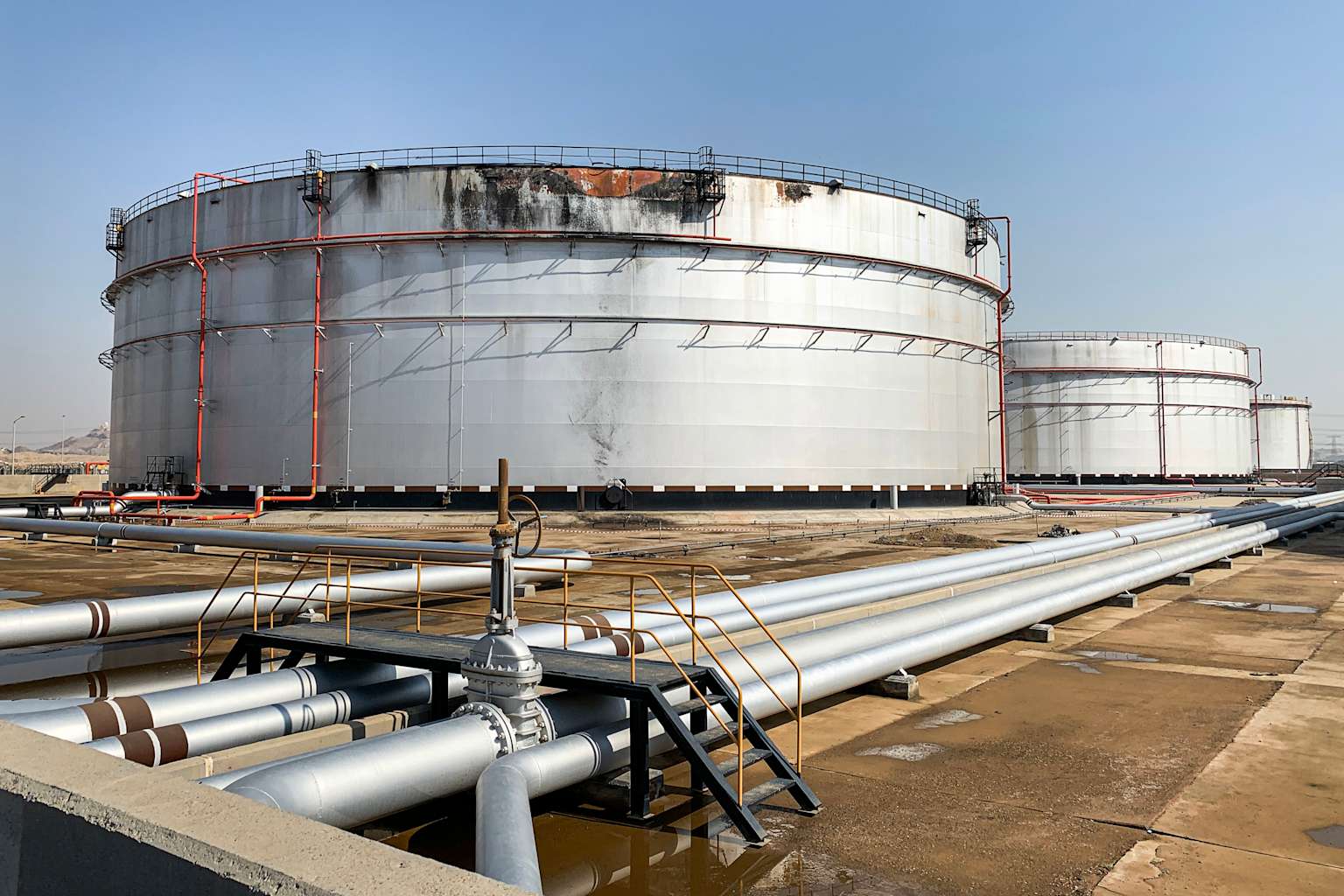
The U.S. Strategic Petroleum Reserve, meanwhile, fell to roughly 285 million barrels as of early September, a 44-year low representing about 40% of authorized capacity. Rabobank Senior Market Strategist Benjamin Picton noted that reserves "are sitting at their lowest levels since the 1980s when it was first being filled," with concerns that stockpile levels may be approaching minimums beyond which the structural integrity of storage caverns is threatened.tradingpedia+2
PVM analyst Tamas Varga said the pipeline disruption coincides with fading hopes for a diplomatic resolution, after planned talks between Gulf nations and Iran were postponed. Refining constraints — including disruptions to Russian capacity and high utilization in the U.S. and India — are tightening the market for finished fuels, particularly diesel. Bernstein AllianceBernstein Holding L.P. analysts have separately forecast Brent could reach $120 to $150 per barrel given that total oil flows through key Middle East transit routes remain under 7 million barrels per day, compared with roughly 20 million before the conflict.indexbox+2
Brent crude rose about 2% in European trading on Tuesday, with Saudi Arabia's pipeline still shut and Houthi territorial gains keeping supply risks elevated.morningstar