Newsletter Subscribe
Enter your email address below and subscribe to our newsletter
[forminator_form id="25163"]

All voices matter

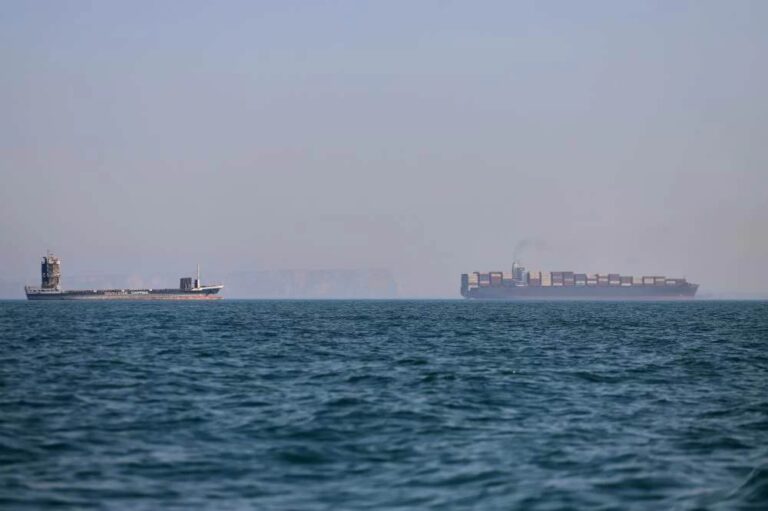
bloombergttnewsttnewsRussia's seaborne crude oil exports surged by the most since May last week, lifting Moscow's weekly export revenue to a near four-month high just as drone strikes on Saudi Arabia's East-West pipeline sent global oil prices soaring.
In the four weeks through September 13, Russia's overseas crude flows rose to 3.54 million barrels a day, according to tanker-movement data compiled by Bloomberg. Some 38 tankers loaded 27.06 million barrels of Russian crude in the week to September 13, up from 23.88 million barrels on 33 ships the previous week.ttnews+1
The gross value of Moscow's exports rose to $1.9 billion a week on a four-week average basis, up $180 million from the prior period and the highest since late June. On a weekly basis, the value jumped to $2.42 billion, driven by both higher volumes and rising prices.ttnews
The timing proved fortunate for the Kremlin. Drone strikes launched from Iraqi territory forced Saudi Arabia to shut down its East-West pipeline on September 11, a 1,200-kilometer conduit that had become critical to the kingdom's ability to bypass Iran's blockade of the Strait of Hormuz. Brent crude rose to its highest level since May, with prices gaining more than 8% on the week, according to Anadolu Agency. The pipeline could remain out of service for three to five weeks.aa+4
Russia shifted shipments through its Baltic port of Ust-Luga, diverting Kazakh crude cargoes to the Black Sea terminal at Novorossiysk. The move freed up capacity, allowing Ust-Luga crude shipments to rise by about one-third, or 160,000 barrels a day, compared with August. China and India remained the largest buyers, with Indian refiners taking more than 2 million barrels a day for a third straight month in August.ttnews
The export windfall contrasts with Russia's deteriorating production picture. Output fell to 8.72 million barrels a day in August, declining for a ninth consecutive month, according to OPEC secondary source estimates — more than 1 million barrels a day below Russia's permitted production level. The International Energy Agency cut its Russian crude forecast by 125,000 barrels a day for 2026, to 8.7 million barrels a day. Russia's government has projected 2026 output at a 17-year low of 9.88 million barrels a day.reuters+2
Ukrainian drone strikes on Russian oil and gas-condensate processing plants continue almost nightly, forcing Moscow to divert unprocessed crude into the export stream rather than refine it domestically. President Donald Trump has blamed the strikes, rather than the Middle East conflict, for rising diesel prices in the United States.ttnews