Newsletter Subscribe
Enter your email address below and subscribe to our newsletter
[forminator_form id="25163"]

All voices matter
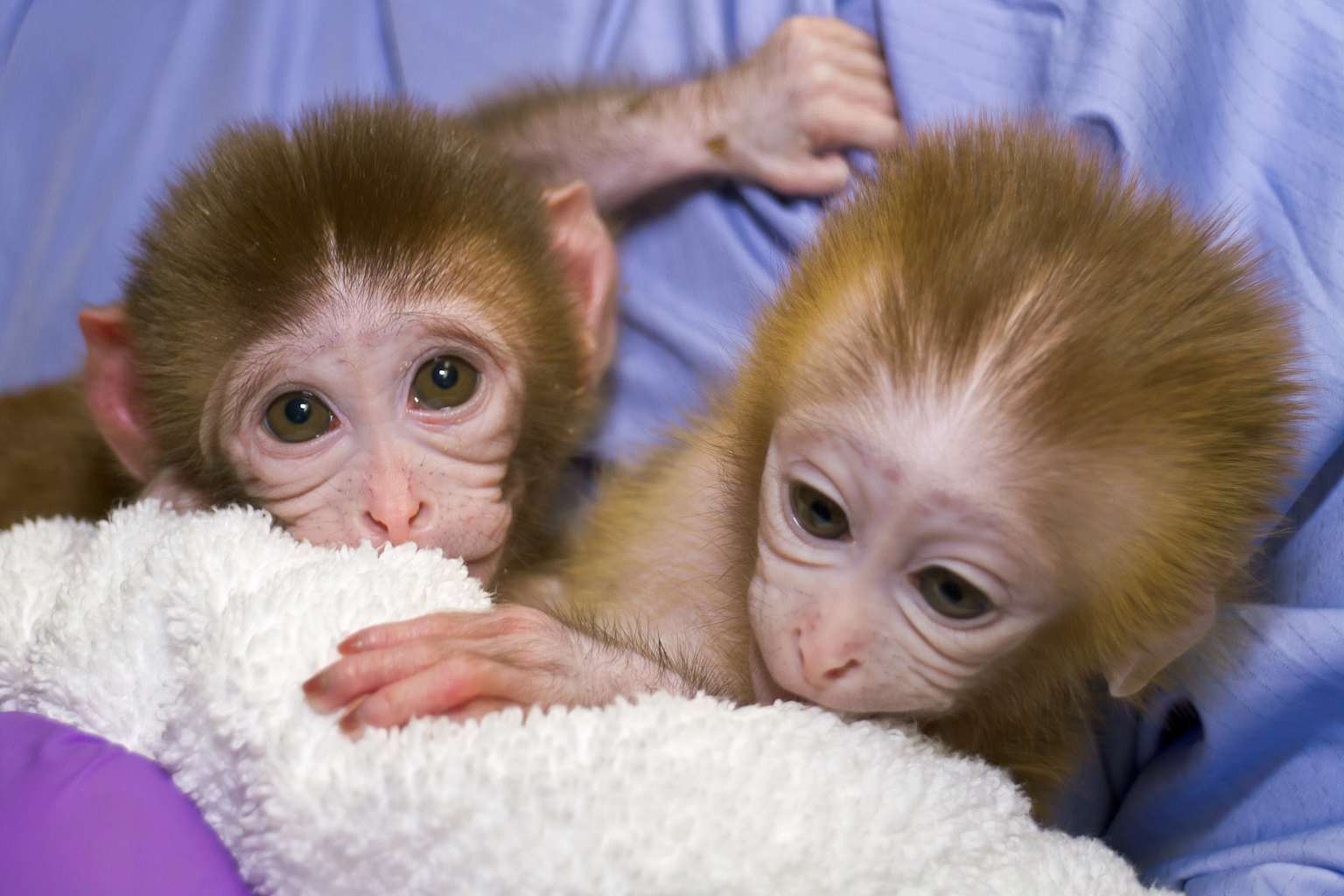
technologynetworks+1technologynetworks+1news.ohsu+1A one-time combination of three therapies administered within 72 hours of birth permanently cleared HIV infection in newborn primates, according to a study published in Nature Microbiology by researchers at Oregon Health & Science University. The findings, announced on August 10, could move quickly to human clinical trials and offer a path toward curing neonatal HIV rather than merely suppressing it with lifelong medication.
The regimen combines standard antiretroviral therapy, broadly neutralizing antibodies, and an experimental monoclonal antibody called leronlimab, which blocks HIV from entering immune cells through a surface protein known as CCR5. Each treatment had previously failed to clear the virus on its own. Together, administered over a few weeks starting within three days of infection, they prevented the establishment of the persistent viral reservoir that makes HIV so difficult to eradicate.technologynetworks+1
"The really exciting part is that it could go to clinical trials immediately to eliminate HIV infection in newborns," said co-lead author Jonah Sacha, a professor and chief of pathobiology and immunology at OHSU's Oregon National Primate Research Center. "The next step after that is to test if this can work in newly exposed adults."news.ohsu+1
Co-author Nancy Haigwood, a virologist who has specialized in HIV antibody research for decades, described the result as "astounding." She likened the approach to turning off a faucet (antiretrovirals halt replication), mopping up water (neutralizing antibodies corral circulating virus), and sealing the room (leronlimab blocks remaining virus from infecting cells).sflorg+1
The study was conducted using infant macaques at the Oregon and California national primate research centers. While antiretroviral therapy is already approved for human use, both broadly neutralizing antibodies and leronlimab are currently in separate clinical trials. Researchers said the anatomical similarity between nonhuman primates and humans gives them confidence the results can translate.trial.medpath+1
More than 120,000 newborns contract HIV each year worldwide, and the epidemic continues to kill roughly 600,000 people annually. A curative regimen rather than chronic suppression could reshape neonatal HIV care, particularly in resource-limited settings where lifelong treatment access remains uncertain.sflorg+1
The researchers acknowledge they do not fully understand why the combination works so effectively. They also have not tested whether the treatment window can extend beyond 72 hours. "Could it work a week after infection? Two weeks? How far can you go after infection and still purge the virus?" Sacha said. Clinical trials in newly exposed adults are expected to precede any testing in newborns.news.ohsu+1