Newsletter Subscribe
Enter your email address below and subscribe to our newsletter
[forminator_form id="25163"]
All voices matter
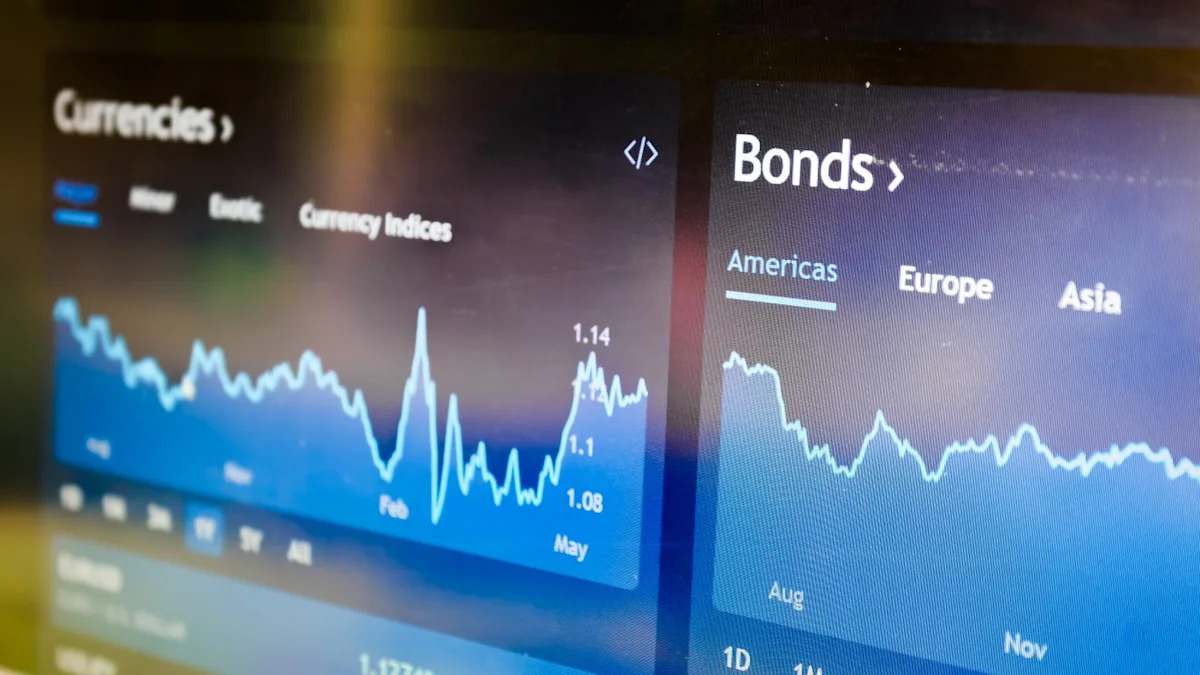
axios+1reutersreutersOracle is emerging as the lightning rod for investor anxiety over Big Tech's debt-fueled artificial intelligence buildout, with the cost of insuring the company's bonds against default surging to record levels.
Five-year credit default swaps on Oracle jumped to 212 basis points last week, according to Axios, meaning it now costs roughly $212,000 a year to insure $10 million of Oracle bonds against default. The Kobeissi Letter reported the figure at approximately 203 basis points, noting that Oracle's CDS have more than quadrupled since mid-2025, surpassing even the peak reached during the 2008 financial crisis.facebook+2
Oracle's credit stress comes amid an unprecedented wave of tech-sector debt issuance. Amazon Amazon.com, Inc. , Alphabet , Meta , and Oracle issued about $194 billion of bonds in 2026 through early July, up 79% from roughly $108 billion in all of 2025, according to a Reuters analysis of LSEG data. Through July 22, five companies — including Microsoft — had raised nearly $302 billion through equity and debt offerings combined, according to S&P Global Market Intelligence data cited by Axios.reuters+1
Goldman Sachs The Goldman Sachs Group, Inc. estimates that hyperscaler capital expenditure will reach about $750 billion in 2026. A separate Goldman report found $489 billion of AI-related supply in global corporate bond and loan markets so far this year, already exceeding its full-year 2025 estimate of $322 billion.axios+1
While even highly rated peers have seen their CDS prices creep higher, Oracle's situation is distinct. The company carries roughly $130 billion in debt and reported negative free cash flow of $23.7 billion for fiscal 2026. Its bonds are already trading at spreads more typically associated with junk-rated debt, with spreads on its 2056 notes widening to 263 basis points.aiweekly+1
Moody's analysts wrote last week that "credit metrics are still very strong for most of these companies," but acknowledged "a material shift in the structure of their balance sheets is becoming evident". The concern has been amplified by the arrival of low-cost Chinese AI models, which raise questions about the ultimate profitability of massive data center investments.axios
Apple offers a contrast — its CDS price remains the lowest among tech titans, reflecting Wall Street's approval of its device-focused AI strategy that avoids hundreds of billions in infrastructure spending. Alphabet, meanwhile, recently reported its first quarter of negative free cash flow since going public in 2004, largely due to AI spending.axios
As Reuters reported on Wednesday, major U.S. technology companies are borrowing at steadily higher yields as investors become more selective about absorbing the growing supply. With cheap Chinese AI offerings making the payoff on these bets increasingly uncertain, the bond market is signaling that the AI building boom's financing costs may keep rising.reuters