
Newsletter Subscribe
Enter your email address below and subscribe to our newsletter
[forminator_form id="25163"]

All voices matter
medicalxpress+1medicalxpress+1eurekalert+1A first-of-its-kind clinical trial has demonstrated that transplanting stem cell-derived dopamine-producing cells into the brains of people with Parkinson's disease is safe and feasible, with early signs that the grafted cells survived at least 12 months after surgery. The results, published in Nature Medicine and presented at the ISSCR 2026 Annual Meeting in Montréal on July 8, mark a milestone in the decades-long effort to develop regenerative therapies for neurodegenerative disease.eurekalert+2
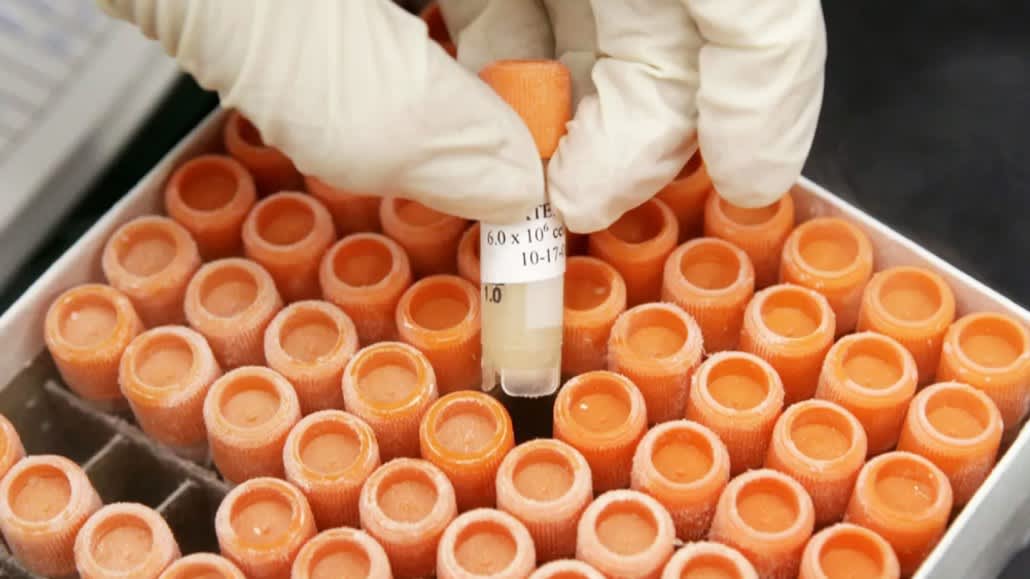
The STEM-PD Phase I/II trial, led by Lund University in Sweden and the University of Cambridge in the UK, enrolled eight patients with moderately advanced Parkinson's disease who continued to experience symptoms despite optimized medication. Participants received transplants of cryopreserved dopaminergic progenitor cells derived from human pluripotent stem cells, delivered directly into the brain.medicalxpress+2
Seven of the eight participants completed 12-month follow-up; one participant died from a pulmonary infection unrelated to the cell product. No graft-induced involuntary movements or serious adverse effects linked to the transplanted cells were observed. Dopamine PET scans at six and 12 months provided early indications of graft survival, and six of the seven participants substantially reduced their Parkinson's medication following surgery.parkinsons+1
"These data represent the culmination of decades of research aimed at translating stem cell biology into a clinically viable therapy," said Malin Parmar, Professor in Cellular Neuroscience at Lund University, who presented the findings. "They demonstrate that a stem cell-derived dopaminergic cell product can be manufactured, delivered, and evaluated within a rigorous clinical trial framework."eurekalert
Parmar noted that independent groups around the world using different cell products and protocols are reporting comparable safety outcomes, a convergence she said "strengthens confidence in the overall therapeutic concept."eurekalert
Participants will be monitored for an additional two years to assess long-term graft function and any changes in symptoms. Researchers plan to examine optimal dosing, identify which patients benefit most, and explore strategies to reduce the need for immunosuppression, including autologous and engineered cell approaches.parkinsons+1
Claire Bale, Associate Director of Research at Parkinson's UK, called the findings "a great milestone based on decades of work," adding that the medication reductions seen in trial participants are "particularly encouraging," while cautioning that longer follow-up in larger studies will be needed to fully understand the treatment's impact.parkinsons