Newsletter Subscribe
Enter your email address below and subscribe to our newsletter
[forminator_form id="25163"]

All voices matter
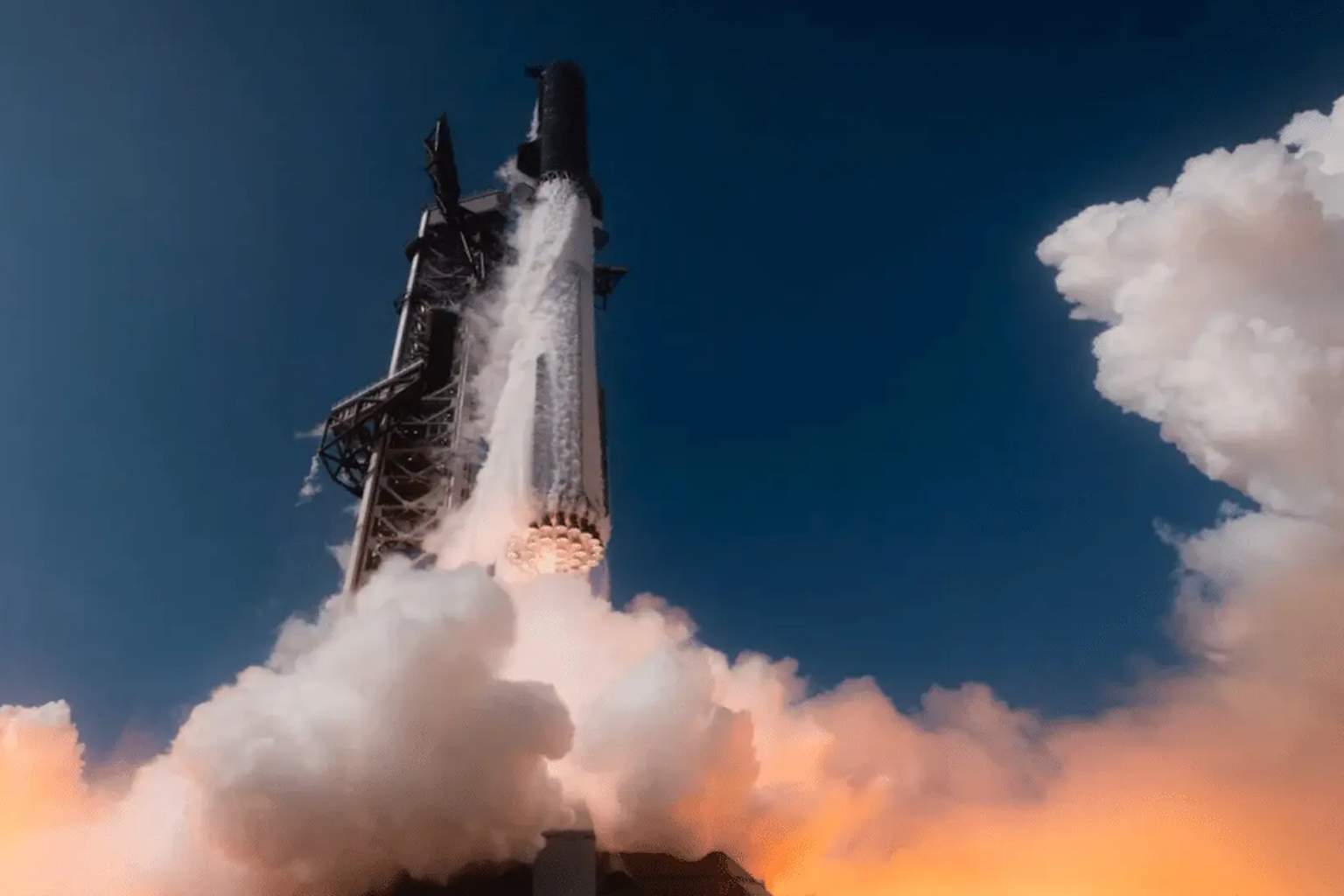
theregister+1spaceflightnow+1mynews13SpaceX launched its Starship rocket on its 13th test flight from the company's Starbase facility in Boca Chica, Texas, on Friday, July 24, after a series of delays that included an engine abort and weather scrubs over the past week. The mission is the second flight of the upgraded Version 3 Starship-Super Heavy vehicle and marks the first time the rocket has carried production Starlink V3 satellites.spacex+4
The flight had a rocky path to liftoff. SpaceX first attempted to launch on July 16, but the rocket aborted at the moment of ignition when several of the Super Heavy booster's 33 Raptor 3 engines failed to start. "Some of the engines didn't start, triggering an automatic launch abort," SpaceX CEO Elon Musk posted on X shortly afterward. SpaceX replaced at least two Raptor engines before rolling the booster back to the pad. A second attempt on July 23 was scrubbed due to weather from Tropical Storm Bertha.spacepolicyonline+4
The 90-minute launch window on Friday opened at 5:45 p.m. CDT. SpaceX reported no technical issues during the countdown, with host Dan Huot telling viewers the company was "not tracking any issues" as propellant loading proceeded.spaceflightnow+2
The mission's most notable new objective is the deployment of 20 Starlink V3 satellites from Starship's payload bay — the first time the rocket has carried production satellites rather than dummy masses. The satellites are designed to extend solar arrays, deploy antennas, and attempt to connect with the broader Starlink constellation via laser links, though they are on the same suborbital trajectory as Starship and are expected to burn up on reentry roughly 20 minutes after deployment. Six of the satellites carry cameras aimed at scanning Starship's heat shield during flight.spaceflightnow+3
The booster is targeting a controlled splashdown in the Gulf of Mexico, while the upper stage aims for a landing in the Indian Ocean west of Australia. SpaceX also plans to attempt a Raptor engine relight in space, a test that was cut short during Flight 12 in May due to an early engine shutdown.space+2
NASA has a direct stake in Starship's progress. A version of the vehicle is under contract to serve as the Human Landing System for the agency's Artemis program, with a crewed lunar landing targeted for 2028. A Government Accountability Office report published this week noted that SpaceX is "more than a year behind its original schedule for key events" on the lunar lander variant and flagged Raptor engine development as a "top risk". SpaceX has said success on this flight would open the door for "near future orbital flights" and the first attempt to catch the Starship upper stage at the launch tower.mynews13+2