Newsletter Subscribe
Enter your email address below and subscribe to our newsletter
[forminator_form id="25163"]

All voices matter
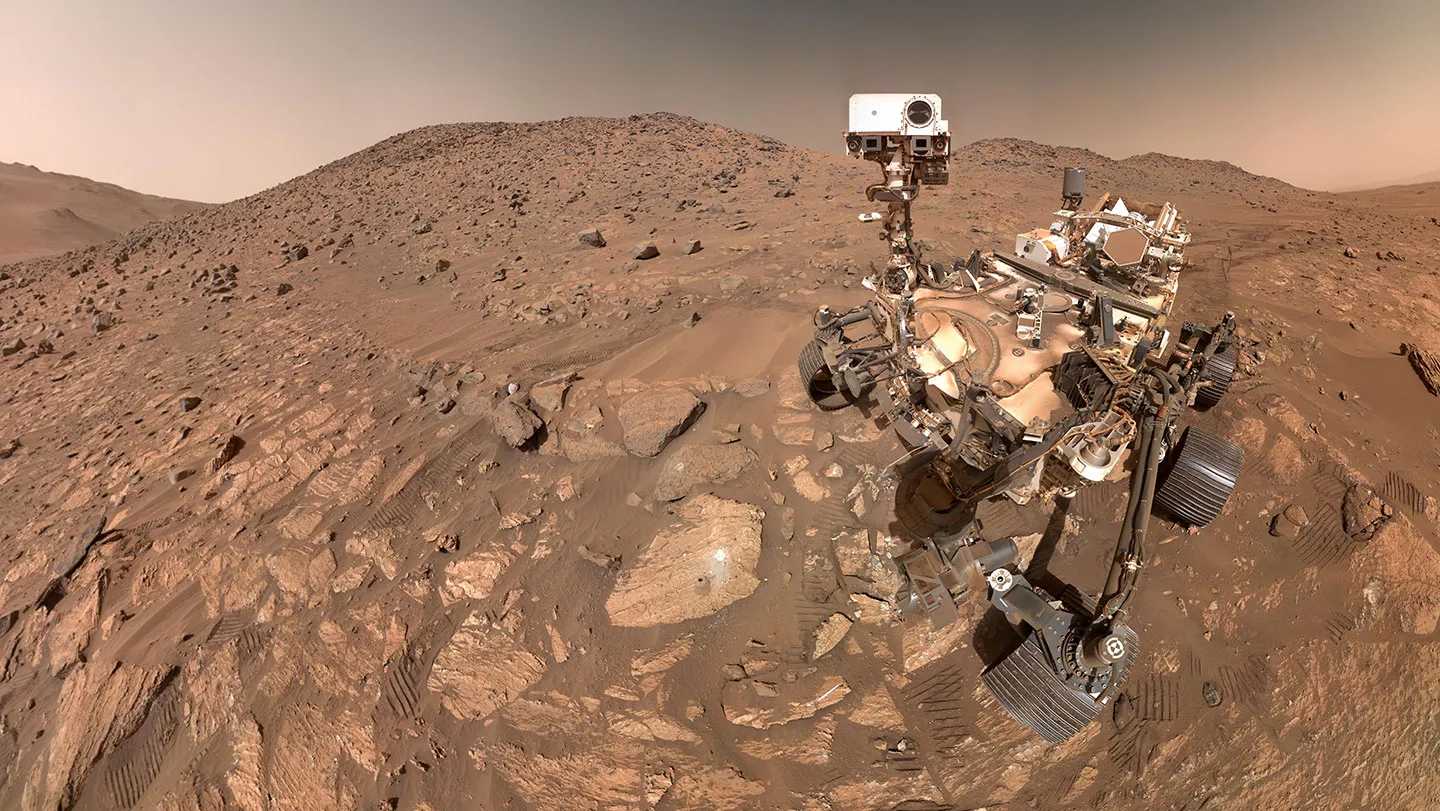
science+1iflscience+1psiNASA's Perseverance rover has detected macromolecular carbon within mudstones at Mars' Jezero crater, a finding researchers describe as the most robust organic detection in the area to date and the first identification of such complex carbon on an unprepared natural rock surface on Mars. The results, published Tuesday in the journal Science Advances, add to mounting evidence that organic materials may have been widespread across early Mars.yahoo
The detection comes from the Bright Angel formation, the same outcrop where the rover previously examined the now-famous Cheyava Falls rock — currently the only known Mars sample identified as containing a possible biosignature. Using its SHERLOC instrument, the rover analyzed areas of two mudstones and reported the detection of hundreds of organic compounds.iflscience
The observations represent "the most robust organic detection in Jezero Crater thus far, and, to our knowledge, the only detection of macromolecular carbon on a natural rock surface on Mars," the researchers wrote. The study identified single and dicyclic aromatics alongside macromolecular carbon in near-surface outcrops, building on earlier findings that organic molecules are present across multiple geological formations in the crater.nature+1
While the findings are notable, the science team emphasized they cannot confirm whether the carbon signatures stem from ancient microbial life or from abiotic chemical processes. Previous work on Jezero's mudstones, published last year in Nature, identified organic carbon alongside iron phosphate and iron sulfide minerals in patterns that met NASA's criteria for "potential biosignatures". But researchers have consistently cautioned that geological processes can also produce complex organic molecules without biology.nasa+1
The debate over Martian organics has intensified in recent years, with a separate 2024 study in Science Advances raising the possibility that some earlier fluorescence signals attributed to organics might instead reflect inorganic cerium ions in phosphate minerals.chemistryworld
Scientists say definitive answers will require laboratory analysis on Earth. The Perseverance rover has collected and cached dozens of rock samples, including material from the Bright Angel formation, for a future Mars sample return mission. Only Earth-based instruments can perform the detailed isotopic and molecular analyses needed to distinguish biological from non-biological carbon.youtube+1
"The discovery of reduced iron phosphates and sulfides associated with organic carbon in sedimentary rocks on Mars suggests complex geochemical reactions, which have implications for our understanding of abiotic, and potentially prebiotic or biotic, chemical processes on ancient Mars," said Melinda Murphy, a Perseverance science team member, regarding the broader Bright Angel findings.psi