



Newsletter Subscribe
Enter your email address below and subscribe to our newsletter
[forminator_form id="25163"]

All voices matter

Earth's crust may have become stable enough to support the chemistry that preceded life around 4.33 billion years ago, according to a study published Tuesday in Nature Communications. The research, led by Oleg Abramov of the Planetary Science Institute in…

NASA's Perseverance rover has found that a stretch of rock along the rim of Mars' Jezero Crater was shaped by water on at least three separate occasions billions of years ago, revealing a far more complex history than scientists anticipated…
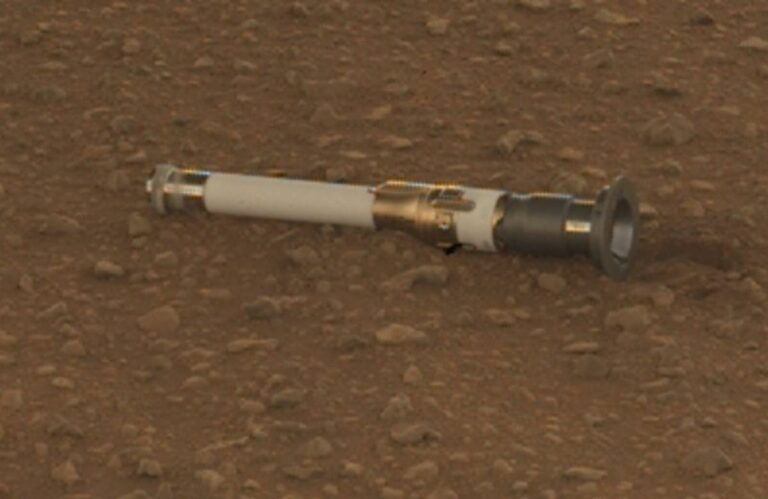
NASA's Perseverance rover has collected what scientists describe as the most compelling evidence to date that ancient microbial life may have once existed on Mars — but the rock samples sit millions of miles from any laboratory capable of confirming…
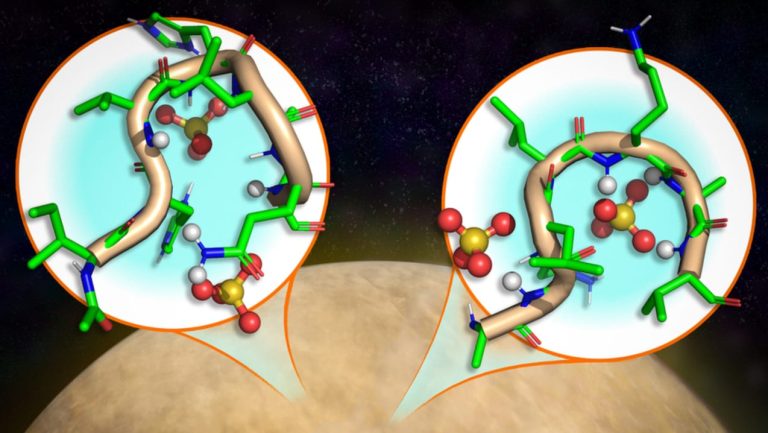
Peptides can not only survive but fold into biologically useful shapes in the sulfuric acid clouds that blanket Venus, according to new research from MIT, challenging long-held assumptions about where life might take root beyond Earth.
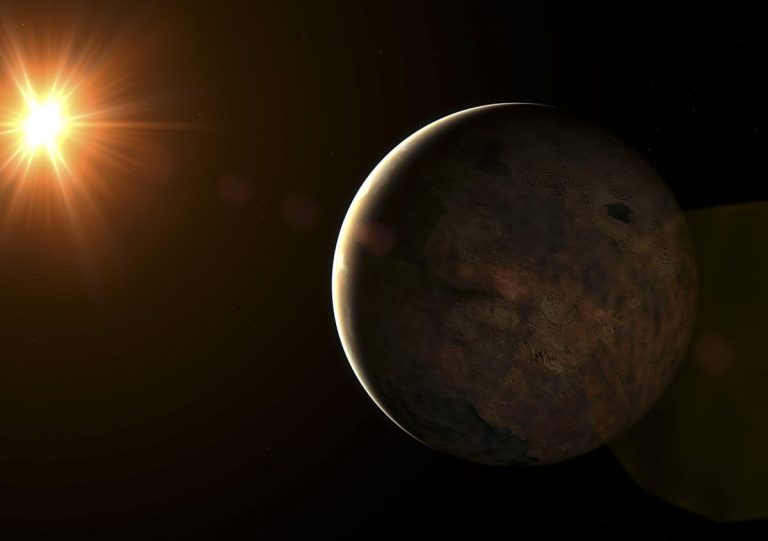
Astronomers have for the first time confirmed an atmosphere around a rocky, temperate planet beyond our solar system, a discovery that marks a turning point in the decades-long search for potentially habitable worlds.

NASA's Perseverance rover has detected macromolecular carbon within mudstones at Mars' Jezero crater, a finding researchers describe as the most robust organic detection in the area to date and the first identification of such complex carbon on an unprepared natural…