Newsletter Subscribe
Enter your email address below and subscribe to our newsletter
[forminator_form id="25163"]

All voices matter

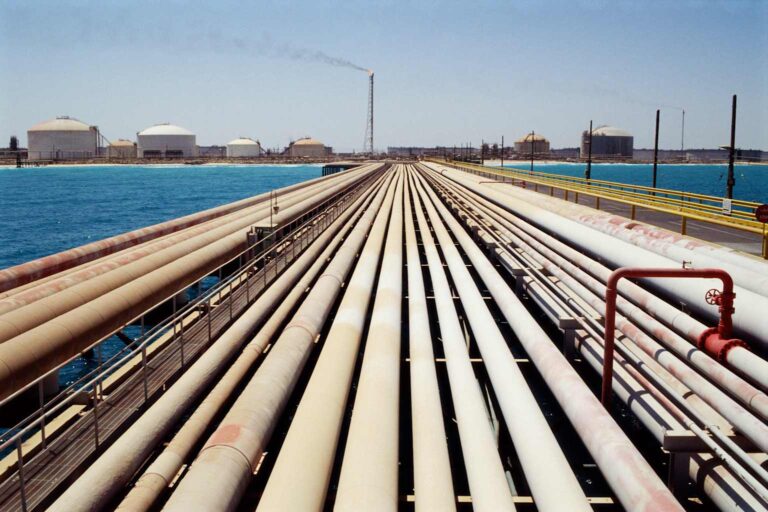
bloomberg+1wtvbamwtvbam+1The Organisation for Economic Co-operation and Development raised inflation projections for nearly every G20 economy on Wednesday, warning that central banks from the Federal Reserve to the Bank of Japan may need to tighten monetary policy further as a Middle East energy shock keeps price pressures elevated.bloomberg+1
In its interim economic outlook released Wednesday, the Paris-based organization lifted its 2027 inflation forecast for G20 economies to 3.6%, up from 3.1% projected in June, and nudged its 2026 estimate to 4.1% from 4.0%. The OECD raised consumer-price projections for every G20 economy apart from China and Saudi Arabia.wtvbam+2
The report was not entirely grim. The OECD upgraded its 2026 global growth forecast to 2.9% from 2.8% in June, crediting heavy spending on AI infrastructure — from data centers to semiconductors — as a pillar of resilience, particularly in the United States, Japan, and South Korea.moderndiplomacy+1
U.S. growth was revised up to 2.2% this year and 2.1% in 2027 as corporate AI investment offset weaker consumer spending. U.S. inflation is projected at 3.6% in 2026, easing to 2.6% in 2027.wtvbam
Yet the OECD cautioned that AI-driven resilience may not last. Energy market instability, extreme weather tied to a strong El Niño, surging government bond yields, and disappointing AI investment returns could together shave 0.7 percentage points off global growth next year and add 1.1 percentage points to inflation.moderndiplomacy+1
The commodity price shock stemming from the Middle East conflict is becoming more entrenched, the OECD said, dragging its 2027 global growth forecast down to 3.0% from 3.1%. Europe is especially exposed: euro zone growth is expected to stall at 1.0% in both years, with natural gas storage levels at 15-year lows heading into the winter heating season and inflation forecast at 3.0% in 2026 and 2.9% in 2027.wtvbam+1
Canada's outlook also deteriorated, with 2026 growth cut to 0.9% from 1.2% and 2027 lowered to 1.3% from 1.7%, reflecting the drag from U.S. tariffs on Canadian exports.wtvbam
The report underscores the bind confronting policymakers worldwide. With inflation proving stickier than expected, the OECD said central banks may need to adjust interest rates if price pressures broaden or growth falters. Japan stands out as one economy where inflation is expected to accelerate — reaching 2.6% in 2027 from 1.8% this year — driven by a tight labor market and strong wage growth.bloomberg+2
The OECD's message amounts to a warning that the global economy is walking a narrow path: buoyed by a powerful AI investment cycle, but increasingly vulnerable to an energy shock that could undermine both growth and the fight against inflation.