Newsletter Subscribe
Enter your email address below and subscribe to our newsletter
[forminator_form id="25163"]

All voices matter
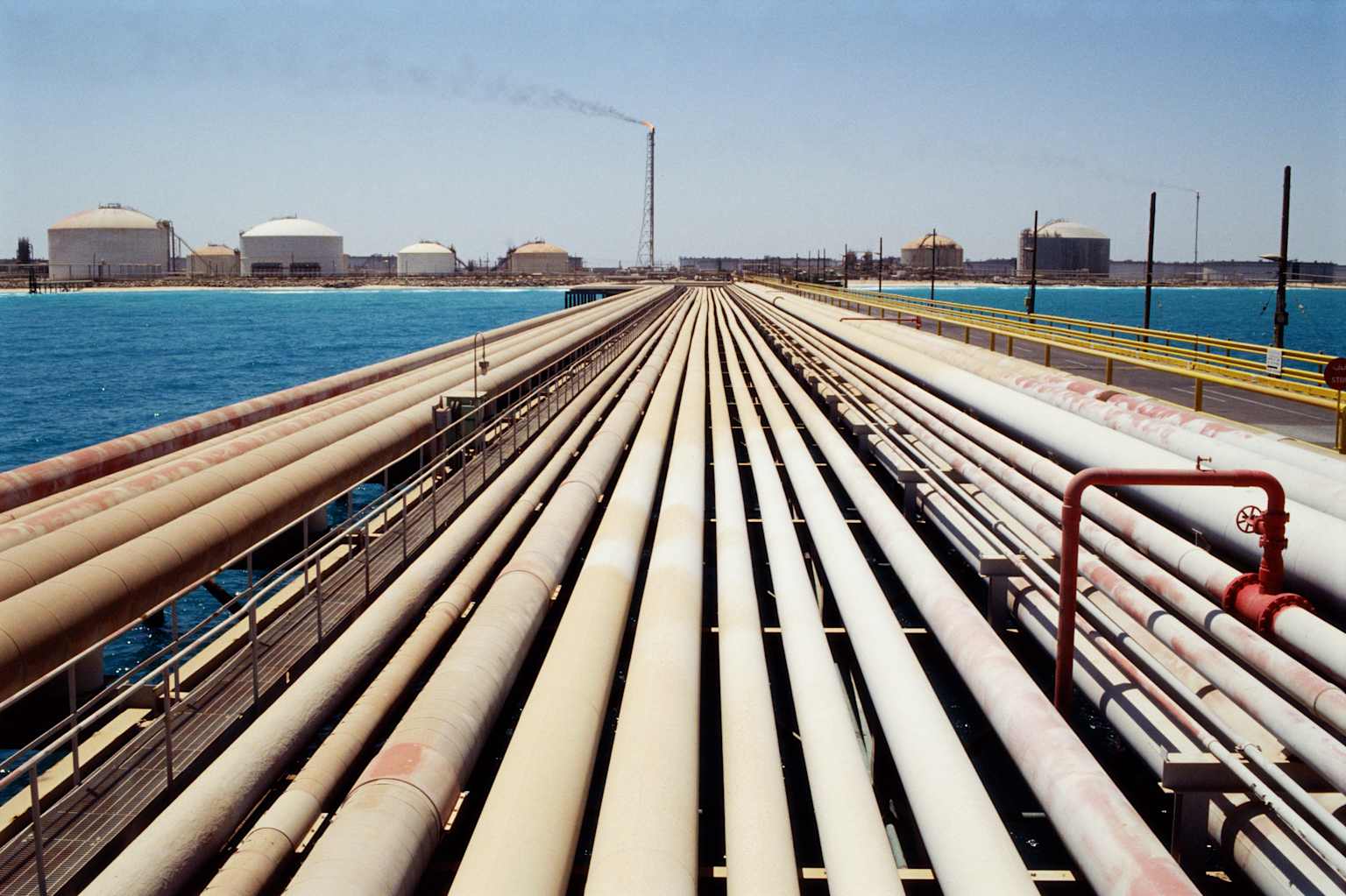
reutersthink.ing+1investingOil prices extended their decline on Wednesday, with Brent crude slipping below $100 a barrel for the first time in two weeks as a convergence of diplomatic progress between the United States and Iran and restored Saudi Arabian export capacity eased fears over Middle Eastern supply disruptions. The six-session losing streak marks Brent's longest consecutive decline since August 2025.think.ing+1
The sell-off accelerated after President Donald Trump confirmed on Tuesday that his special envoys Steve Witkoff and Jared Kushner held a "very good" three-hour meeting with Iranian representatives on the sidelines of the United Nations General Assembly in New York — the first known direct contact between the two sides since June. Trump said he believed Iran would "do something good" and that there was "a lot of momentum" for a deal, though he indicated an agreement would come after the November midterm elections.investing+3
Iran's state broadcaster said Tehran accepted the meeting because it had already set out conditions for reopening the Strait of Hormuz, the chokepoint that carried roughly one-fifth of global crude and liquefied natural gas before the conflict began in February. Israeli media reported that while the talks were planned in advance, the two sides remained far apart on most disputes.investinglive
Adding to the bearish pressure, Saudi Arabia restarted operations on its East-West Pipeline on Tuesday after a September 11 drone attack — blamed on Iraqi militias — forced a shutdown that halted crude loadings at the Red Sea port of Yanbu. The pipeline, which can move up to 7 million barrels per day and bypasses the Strait of Hormuz, had been rerouting around 4 million barrels per day of Saudi exports since the conflict disrupted Gulf shipping lanes. Full capacity could take six to eight weeks to restore due to damage at pumping stations.thehindubusinessline+1
Iraq also said it was increasing exports, with Oil Minister Basim Mohammed stating the country was shipping more than 3 million barrels per day and expected to boost flows via Turkey to over 600,000 barrels per day.thehindubusinessline
Despite the improving outlook, Asia's crude imports from the Middle East remain about 3.5 million barrels per day below pre-conflict levels, according to data from Kpler cited by Reuters. Refined fuel prices continue to trade at near-record premiums over crude, with Singapore gasoil at roughly $174 a barrel and gasoline near $140 — far above the $10-to-$20 premium typical before the war.reuters
"The market is currently feeling more constructive about the global oil supply picture than it was a few weeks ago," said Tim Waterer, chief analyst at KCM Trade. "The meeting of US and Iranian delegations in New York has given traders a glimmer of hope."thehindubusinessline