Newsletter Subscribe
Enter your email address below and subscribe to our newsletter
[forminator_form id="25163"]

All voices matter
theartnewspaper+2.theartnewspaper+2.theartnewspaper+1.theartnewspaper+2.greekreporter+1.Former UK Prime Minister Liz Truss has joined 33 other signatories in a letter organized by right-wing campaign group Great British Pac that criticizes what they claim is a "covert" and "accelerating campaign" to return the Parthenon Marbles from the British Museum to Greece, threatening legal action including potentially seeking an injunction to halt ongoing negotiations.
The Great British Pac campaign against returning the Parthenon Marbles is led by Conservative activist Claire Bullivant and former Reform deputy co-leader Ben Habib, who was ousted from the party by Nigel Farage. The organization describes itself as "a coalition of business leaders, politicians, lawyers, police chiefs, journalists, patriots, and activists from all walks of life" committed to "safeguarding the United Kingdom from Labour's reckless policy proposals." Their intervention has sparked controversy, with anti-extremism group Hope Not Hate alleging that 13 members of Great British Pac have promoted far-right views and conspiracy theories online, including one who reportedly shared pro-Hitler and antisemitic content.news.artnet+1
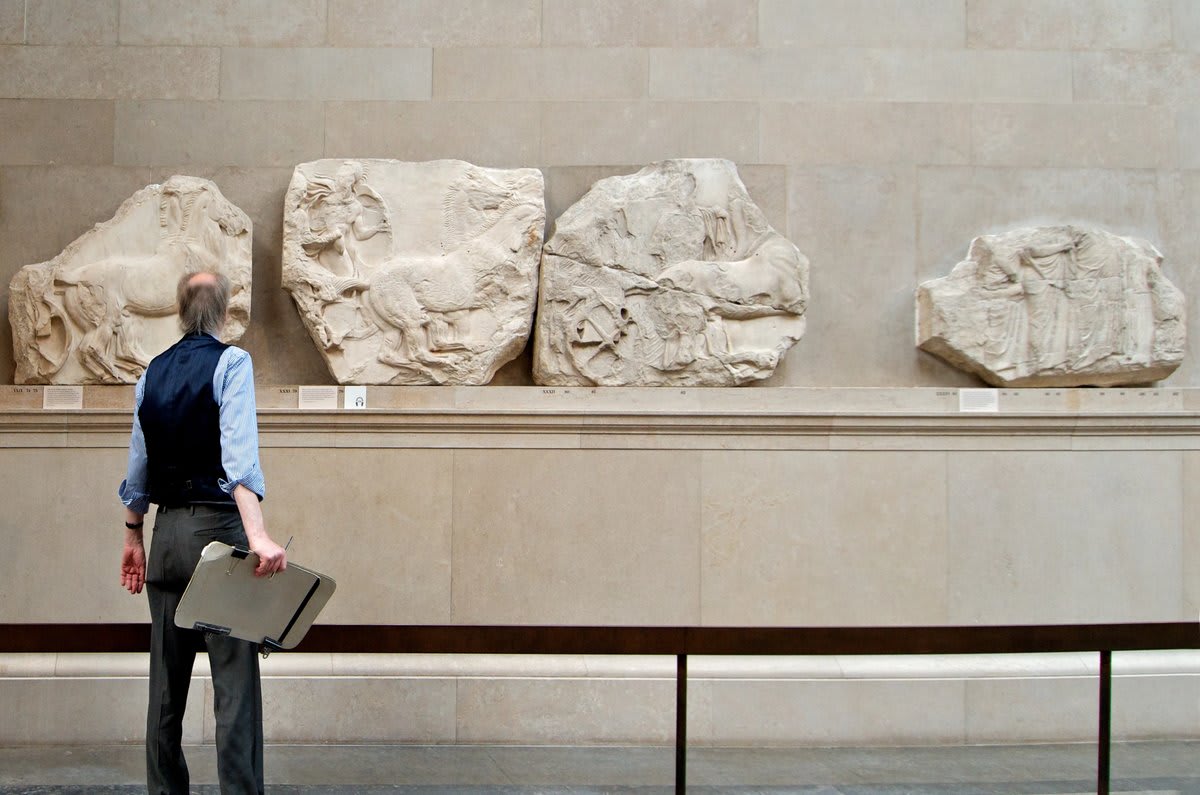
The campaign has been accused of stoking culture wars over the ancient artifacts, which have been housed in the British Museum since 1817 after being removed from the Parthenon temple by Lord Elgin. Their letter claims the movement to return the sculptures "is not organic" but rather "politically orchestrated, heavily financed, and increasingly shrouded in secrecy," arguing that the marbles "are British owned and should remain at the Museum." This position contrasts sharply with public opinion in the UK, where a YouGov poll found that 59 percent of respondents believed the 160-meter-long carved frieze belongs in Athens.news.sky+2
The letter from the 34 signatories explicitly warns that they "reserve the right to seek legal advice on how best to protect the interests of the British public," including pursuing an injunction to halt negotiations over the Parthenon Marbles' return. This legal threat faces significant hurdles, as the British Museum Act of 1963 already prohibits the museum from returning works of art to other countries without special legislation. However, the Charities Act 2022 potentially offers a pathway for return "if trustees feel a moral obligation to do so and gain approval from either the U.K. courts, Charity Commission or Attorney General."artdependence+1
The legal complexities extend beyond domestic UK law. While Greece could theoretically pursue claims through international courts, Brexit has limited some legal avenues previously available. The dispute represents a collision between cultural heritage claims and legal frameworks, with the British Museum caught between its statutory obligations and diplomatic pressures. George Osborne, chairman of the British Museum trustees, now faces mounting pressure to abandon what critics call "covert and ideological" talks regarding the marbles' potential return.minnjil+1
The British Museum Act 1963 serves as the primary legal framework governing the British Museum's operations and its ability to manage its collections. The Act established a board of 25 trustees responsible for the "general management and control of the British Museum" and explicitly mandates that the museum must "keep the objects comprised in the collections of the Museum within the authorised repositories," except for temporary removals related to administration or care of collections. This legislation severely restricts the museum's ability to permanently transfer artifacts, as trustees may only "sell, exchange, give away or otherwise dispose of" objects that are duplicates, printed matter made after 1850, or items deemed "unfit to be retained" that can be disposed of "without detriment to the interests of students."legislation+3
The Act's restrictive provisions regarding disposal of artifacts have become central to the Parthenon Marbles controversy, as they effectively prevent the British Museum from repatriating contested cultural property without new legislation. Section 4 of the Act further prohibits the sale or disposal of any building or site that serves as an "authorised repository" for the museum's collections. These legal constraints explain why negotiations over the marbles' potential return are complicated and why critics can leverage the Act's provisions to challenge repatriation efforts, regardless of ethical considerations or public opinion regarding the artifacts' rightful home.parthenonuk+2