Newsletter Subscribe
Enter your email address below and subscribe to our newsletter
[forminator_form id="25163"]

All voices matter
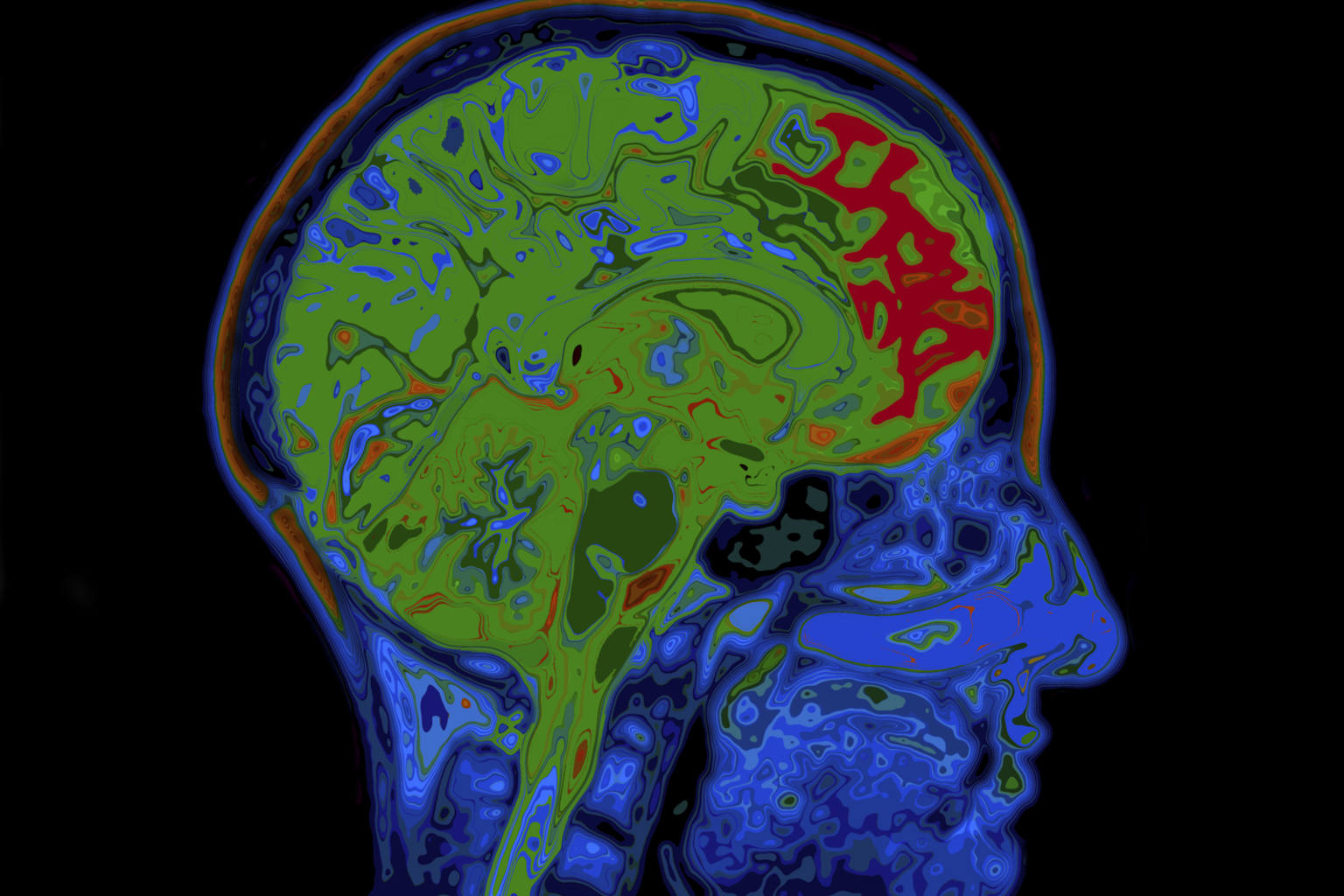
nature+1fredhutchfredhutchThe largest genetic study of fibromyalgia ever conducted has identified 26 genomic regions associated with the chronic pain condition, providing what researchers call the strongest evidence yet that it is rooted in the nervous system rather than being a psychological or autoimmune disorder. The findings were published Monday in Nature Medicine.nature+1
An international team of 53 researchers across seven countries analyzed genetic data from more than 2.5 million adults drawn from 11 cohorts in the United States, United Kingdom, Finland, Estonia, Denmark, and Iceland. The study was jointly led by Dr. Michael Wainberg of the Lunenfeld-Tanenbaum Research Institute at Sinai Health and the University of Toronto, Dr. Nasa Sinnott-Armstrong at Fred Hutch Cancer Center, and Dr. Hanna Ollila at the University of Helsinki and Massachusetts General Hospital.fredhutch
"For decades, patients have been dismissed or told their pain is simply psychological," Wainberg said. "Our findings confirm the condition has a clear biological basis."fredhutch
The most strongly associated genetic variant was within the gene HTT, known for its role in Huntington's disease. Another variant pointed to a receptor called GPR52 that regulates HTT levels and is already being investigated as a drug target for Huntington's. By integrating findings with a dataset of 20 million cells from various tissues, the researchers found that genes near fibromyalgia risk factors were more active in nervous system cells than in other cell types, distinguishing it from classical autoimmune conditions.fredhutch
The study revealed substantial genetic overlap between fibromyalgia and conditions including low back pain, irritable bowel syndrome, and post-traumatic stress disorder, suggesting shared biological mechanisms within the nervous system may explain why these conditions often appear together.drugtargetreview+1
"Targeting the shared mechanisms underlying them could potentially benefit a whole cluster of disorders," said Dr. Frances Williams, a rheumatologist at King's College London and co-author on the paper.fredhutch
Despite fibromyalgia being diagnosed roughly three times more often in women than in men, the researchers found no genetic differences in risk between the sexes, suggesting non-genetic factors such as hormonal influences or diagnostic patterns may drive the disparity. The researchers also cautioned that genetics alone does not determine whether someone develops fibromyalgia — environmental triggers, such as a painful arthritic condition, likely play a role.fredhutch
The study's authors have founded the Chronic Pain Genomics Consortium to investigate other chronic pain syndromes, viewing fibromyalgia as the starting point for a broader exploration of chronic pain's genetic architecture.fredhutch