Newsletter Subscribe
Enter your email address below and subscribe to our newsletter
[forminator_form id="25163"]

All voices matter
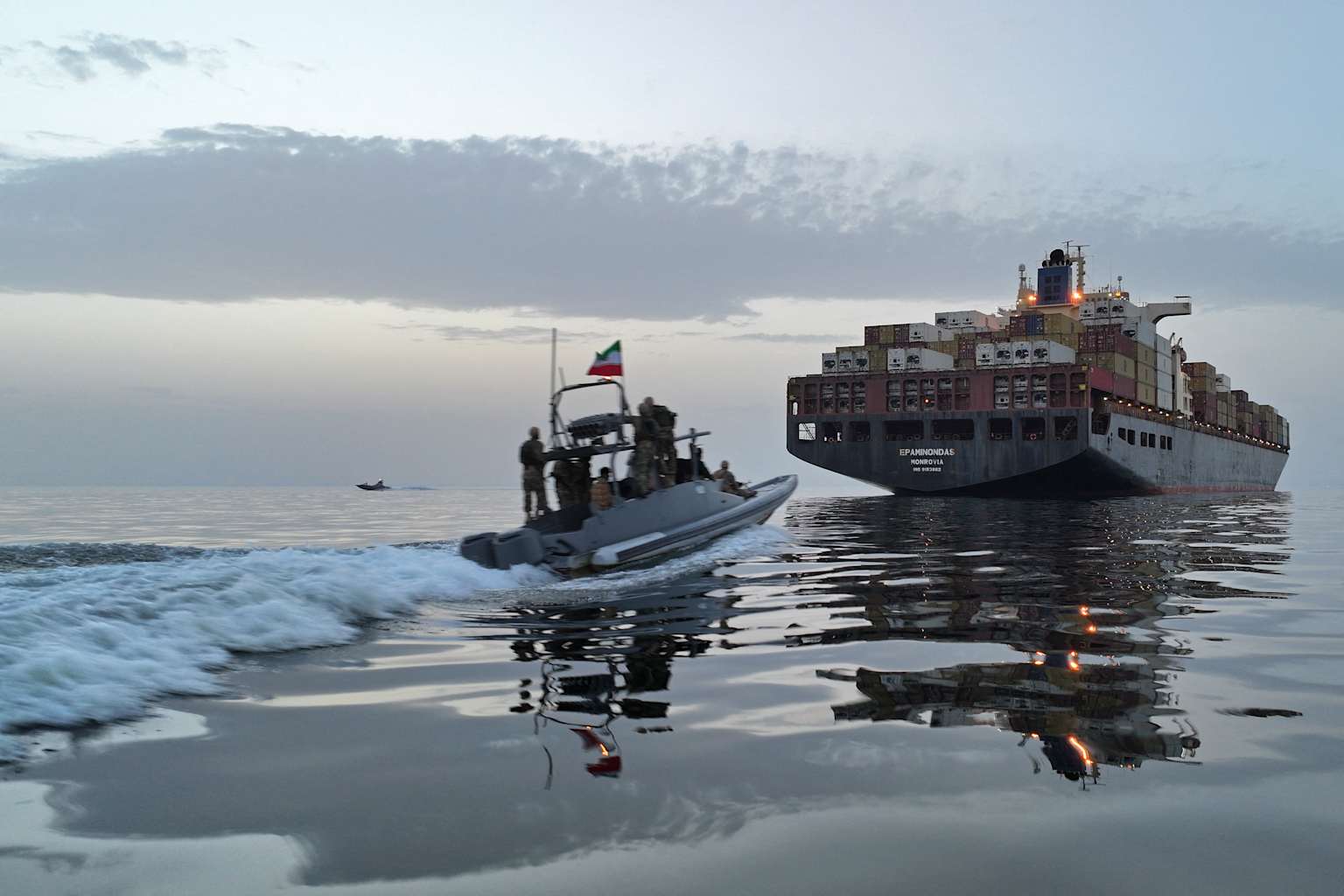
miragenews+1miragenewsmiragenewsNew analysis from the International Trade Centre shows that disruption to shipping through the Strait of Hormuz has caused export volumes of strategic products to plunge by more than half, with liquefied natural gas shipments collapsing by 95 percent — laying bare the fragility of global commerce when a single maritime chokepoint is compromised.
The ITC, which operates under a joint mandate with the World Trade Organization and UNCTAD, published findings on August 4 drawing on trade data for April 2026 that quantify the early effects of the disruption that began with a military escalation in late February. Combined merchandise exports from Hormuz-dependent economies — Bahrain, Iran, Iraq, Kuwait, Qatar, Saudi Arabia and the United Arab Emirates — declined 21 percent in value. When measured by physical volume, the picture is starker: combined export volumes across 12 strategically important products fell 54 percent.miragenews+1
Natural gas recorded the steepest drop at 95 percent, followed by urea at 83 percent, methanol at 80 percent and ammonia at 75 percent. The largest absolute losses came in crude petroleum oil, which fell by 28 million tonnes, followed by refined petroleum oils and LNG, down 7.3 million tonnes and 5.5 million tonnes respectively. "Sizeable falls in fertilizers, chemicals, plastics and aluminium show that the disruption affected a broader range of industries and supply chains," the ITC authors noted.miragenews
The crisis has hit energy-dependent Asian economies hardest. Japan, which historically sourced 91 percent of its crude oil imports from Hormuz-dependent suppliers, recorded a 64 percent decline in total crude imports in April. South Korea and Malaysia faced similar shortfalls. Thailand, by contrast, saw a 62 percent increase as refiners moved to secure cargoes from alternative suppliers.miragenews
Alternative suppliers increased shipments for 10 of the 12 selected products, but those gains fully offset disrupted flows only for ammonia and polypropylene. Markets elsewhere appear to have drawn on strategic reserves, increased domestic production or reduced consumption to cope with the shortfall.miragenews
The Strait of Hormuz carries roughly a quarter of global seaborne oil trade and a third of globally traded urea. Iran shut the waterway to normal commercial traffic on February 28, 2026, and although recent lulls in fighting have raised hopes that shipping could resume more fully, traffic remains far below normal levels.unctad+2
UNCTAD warned in March that global merchandise trade growth could decelerate from about 4.7 percent in 2025 to between 1.5 and 2.5 percent in 2026 amid the disruption. CNBC reported last week that roughly 80 percent of global merchandise trade by volume moves by sea, underscoring how chokepoint disruption can cascade into energy, food and consumer goods prices worldwide.cnbc+1