Newsletter Subscribe
Enter your email address below and subscribe to our newsletter
[forminator_form id="25163"]

All voices matter
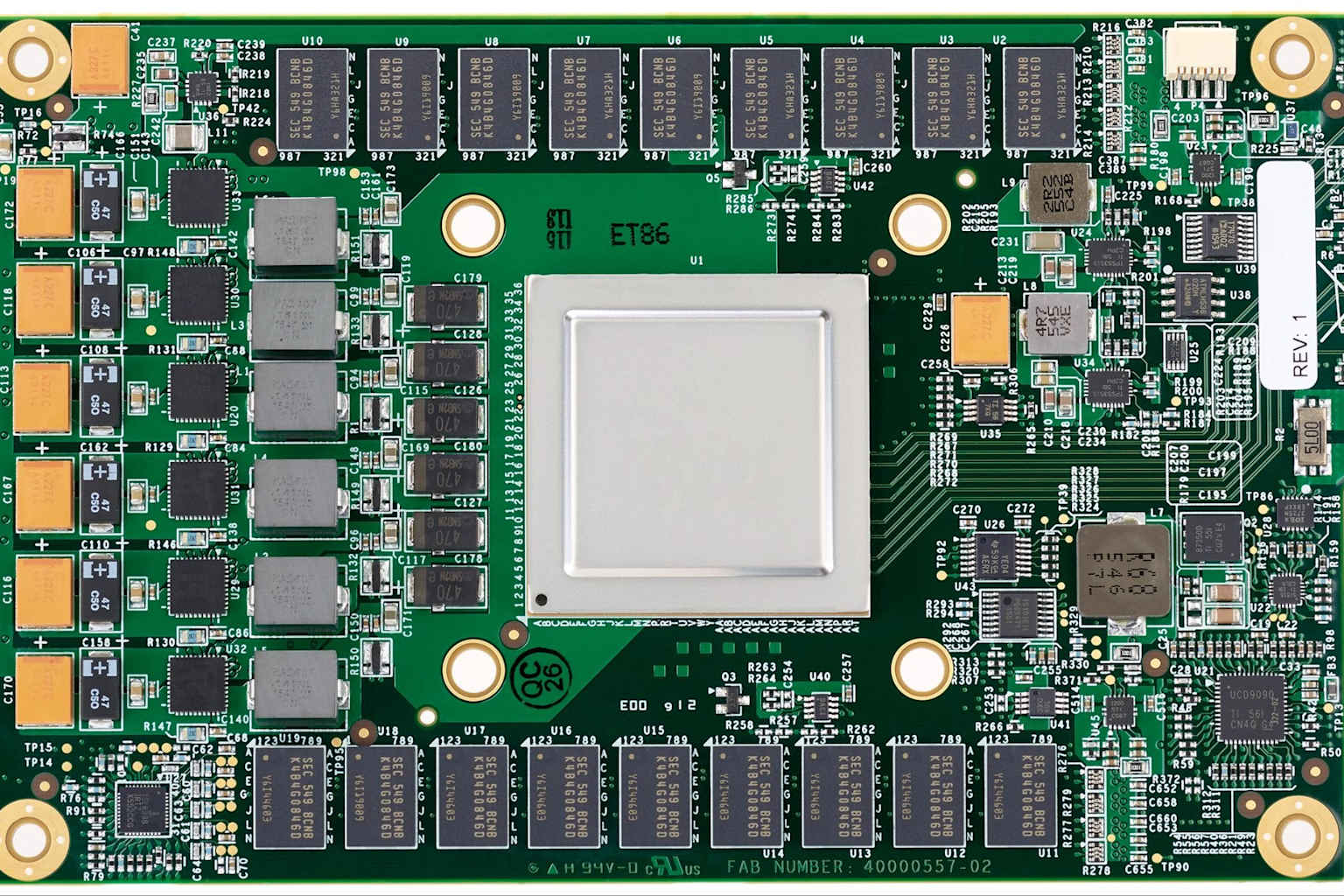
finance.yahoofinance.yahooinvestors+1Google Alphabet Inc. is pushing its custom artificial intelligence chips beyond the walls of its own cloud, testing whether tensor processing units can serve as national computing infrastructure and opening a new front in its competition with Nvidia .
A September 22 report from Seoul Economic Daily said Google met South Korean officials on September 9 to discuss supplying TPUs for the country's sovereign AI buildout, according to Yahoo Finance. The move would place Google's chips in government-backed AI projects where Nvidia GPUs have long been the default. As of July, 92 percent of sovereign AI large language models worldwide were trained using Nvidia chips, according to market research firm Counterpoint Research.finance.yahoo+1
South Korea has been pouring resources into AI independence. In June, President Lee Jae Myung unveiled a sweeping investment plan exceeding $1 trillion across semiconductors, AI and data centers, framing the effort as a national imperative. That appetite for compute diversification gives Google an opening.aljazeera
Google's TPU ambitions extend well beyond a single country. The company now monetizes its chips through three channels: renting capacity on Google Cloud, selling TPU systems directly for on-premise deployment, and distributing them through the Blackstone -backed cloud venture Crux AI, according to Investor's Business Daily. Last week, a syndicate of 10 banks agreed to provide Crux AI with a $22 billion loan collateralized by TPUs and customer contracts, according to Reuters — one of the largest debt deals ever arranged for AI processors.investors+1
Oppenheimer analyst Jason Helfstein estimated in a September 9 report that cumulative incremental TPU sales could reach $170 billion through 2028, a figure he said is not reflected in Wall Street consensus estimates. SemiAnalysis, a semiconductor research firm, found that Google's latest Ironwood TPU achieves 50 percent better performance per dollar than Nvidia's Blackwell Ultra chips on its inference benchmark.investors
For Nvidia, the competitive threat is real but bounded. The company's CUDA software ecosystem and networking stack create switching costs that no rival has fully replicated. According to a Barron's analysis published on September 23, Nvidia's stock has stalled in its latest attempt to reach new highs, with Google's chip progress weighing on sentiment. Still, sovereign AI spending is growing fast enough that both companies can expand — the question is whether Nvidia's share of incremental government contracts narrows as buyers seek second sources.barrons+1