Newsletter Subscribe
Enter your email address below and subscribe to our newsletter
[forminator_form id="25163"]

All voices matter
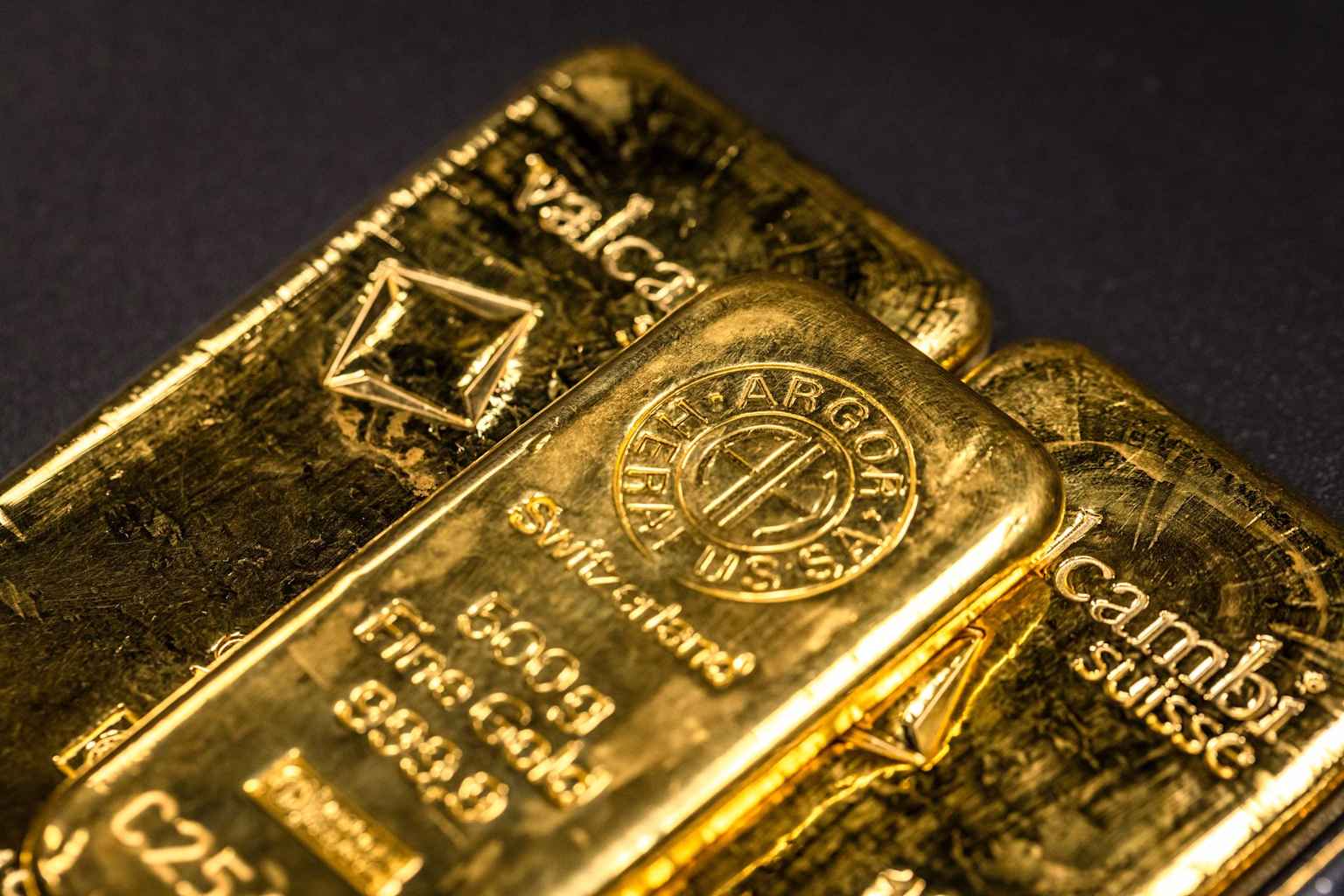
CNBC+1reuters+1socialnewsGold broke decisively above $4,500 per ounce last week, posting a nearly 5% weekly gain as the U.S. dollar tumbled to a three-month low amid mounting concerns over fiscal sustainability and the credibility of Treasury policy. The rally accelerated after the U.S. Treasury Department announced it would double its buyback operations for longer-dated government debt, a move that suppressed yields but raised fresh questions about Washington's willingness to let borrowing costs rise.
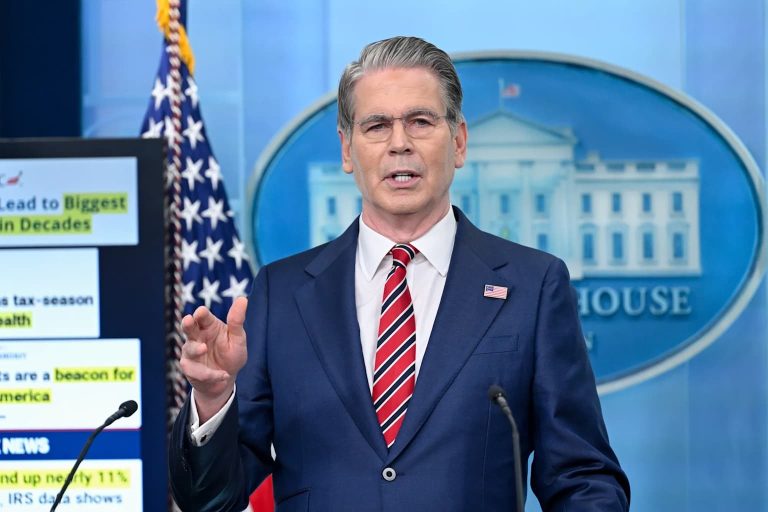
The catalyst for gold's breakout came on Wednesday, August 19, when the Treasury said it would at least double the maximum size of its liquidity-support buyback operations for 10- to 30-year securities, raising the cap from $2 billion to at least $4 billion per operation. The change takes effect September 9 and runs through November 4. Treasury Secretary Scott Bessent told CNBC the next day that the operation "could be more than $4 billion," signaling further intervention if needed.CNBC+3
The announcement sent 30-year yields down as much as 10 basis points to 5.18%, retreating from their highest level since 2007. But the dollar bore the cost. The dollar index fell below 99 on Wednesday and hovered near 98.8 by week's end, its lowest since mid-May. Reuters reported on Friday that concerns mounted that the buyback plan "could weigh further on the U.S. currency".kitco+4
Gold jumped 4% on Wednesday alone, adding $185.50 to reach $4,518.90 on the Kitco spot chart. By Friday, August 21, gold had climbed to $4,607.35, according to Trading Economics.TRADING ECONOMICS+1
The dollar's decline preceded the buyback announcement. Softer inflation readings, weaker retail sales, and declining consumer sentiment had already pushed traders to cut the probability of a September Federal Reserve rate hike to roughly one-in-three, down from about 75% in late July, according to Bloomberg. The dollar index had been sliding since mid-August as markets priced out further tightening.Bloomberg+1
A Reuters analysis framed the situation starkly: "If Washington will not let borrowing costs rise, will the dollar end up absorbing the adjustment instead?"Reuters
The gold rally drew additional support from geopolitical tensions. The 60-day U.S.-Iran negotiation window expired without meaningful progress, and WTI crude gained roughly 5.7% on the week as Iran maintained its closure of the Strait of Hormuz. Rising oil prices compounded inflation concerns and reinforced demand for safe-haven assets.socialnews
Markets now turn to the Jackson Hole symposium, scheduled for August 27-29, where Federal Reserve Chair Kevin Warsh's remarks will be closely watched for signals on whether the central bank sees any need to resume tightening. U.S. core PCE inflation and GDP data due next week will further shape the outlook for both the dollar and gold.interactivecrypto+1