


Newsletter Subscribe
Enter your email address below and subscribe to our newsletter
[forminator_form id="25163"]

All voices matter
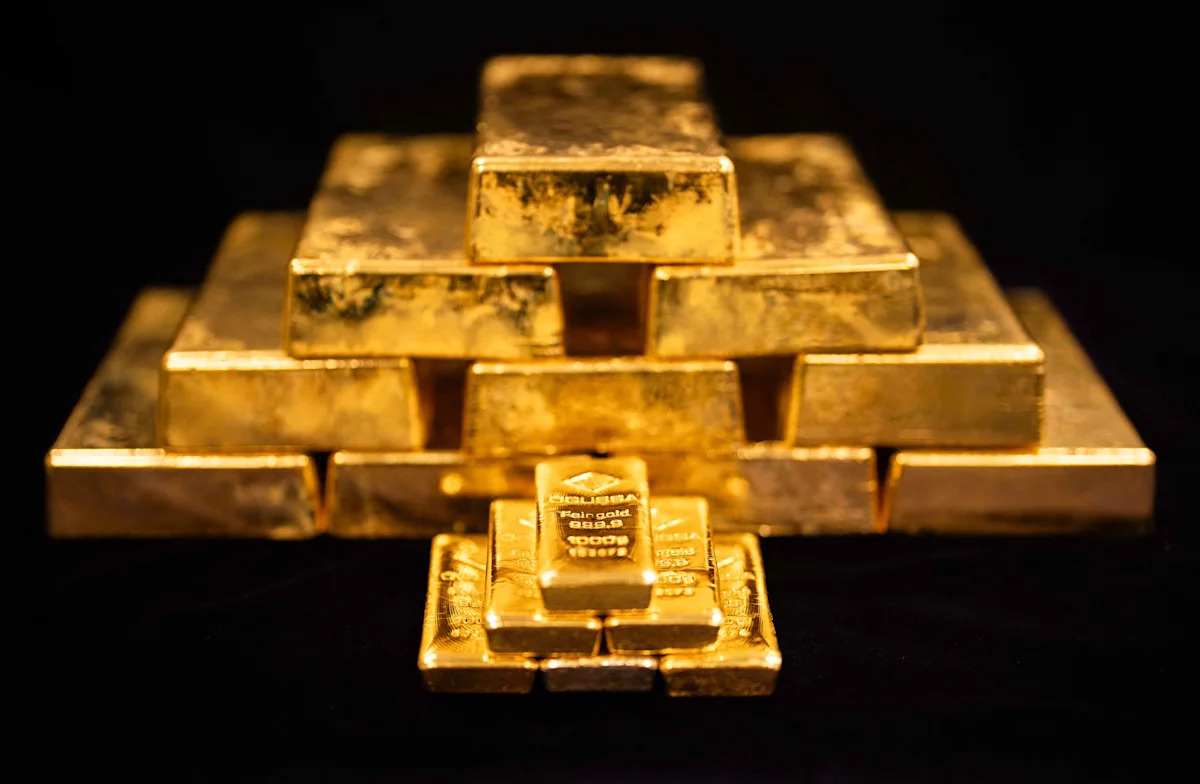
reuters+1beincrypto+1investingnewsGold continued to trade around the $4,000-per-ounce level on Thursday, July 16, extending a punishing decline that has wiped out roughly 28% of the metal's value since it peaked near $5,595 in late January. The slide marks one of the sharpest reversals in recent commodity history, driven by a hawkish Federal Reserve, a stronger dollar, and persistent outflows from gold-backed exchange-traded funds.reuters+1
The metal first broke below the $4,000 threshold in late June, a level it had not touched since November 2025. It has struggled to reclaim that mark since. The catalyst remains the Federal Reserve's pivot under Chair Kevin Warsh, whose first meeting in June saw nine of nineteen FOMC officials project at least one rate hike before year-end. The Fed held its target range at 3.50% to 3.75% at that meeting, but futures markets have continued to price in tightening, with CME FedWatch data as of mid-May already showing a 60% probability of a hike by January 2027.investopedia+4
Rising real yields have undercut gold's appeal as a non-yielding asset. ING analysts cut their third-quarter gold forecast to $4,300, down from a prior call of $4,850, while Goldman Sachs The Goldman Sachs Group, Inc. slashed its year-end target from $5,400 to $4,900. Deutsche Bank lowered its fourth-quarter outlook to $4,800, down from $6,000.reuters+1
Investor capital has been flowing out of gold funds at a steady pace. Gold-backed ETFs globally recorded $8.9 billion in outflows in June alone, with North American products accounting for $5.5 billion of the total, according to the World Gold Council. The SPDR Gold Shares ETF, the world's largest gold fund, has seen roughly $15 billion in outflows since March 1.gold+2
Geopolitical tensions have offered little support. Iran declared the Strait of Hormuz closed on June 20, citing Israeli operations in Lebanon, though the U.S. military disputed the claim and said the waterway remained accessible. By mid-July, tanker traffic through the strait had slowed to a two-month low amid renewed U.S.-Iran strikes, according to Reuters.cnbc+1
Despite the drawdown, some analysts argue the structural case for gold remains intact. Central bank buying continues, and one analyst at a Singapore-based bank noted support just below $3,900. But with speculative capital chasing AI-driven equity returns and the Fed maintaining a hawkish posture, the near-term outlook remains tilted to the downside. As one gold market commentary put it: "The debasement trade is not over. It is on sale."oanda+3


