Newsletter Subscribe
Enter your email address below and subscribe to our newsletter
[forminator_form id="25163"]

All voices matter
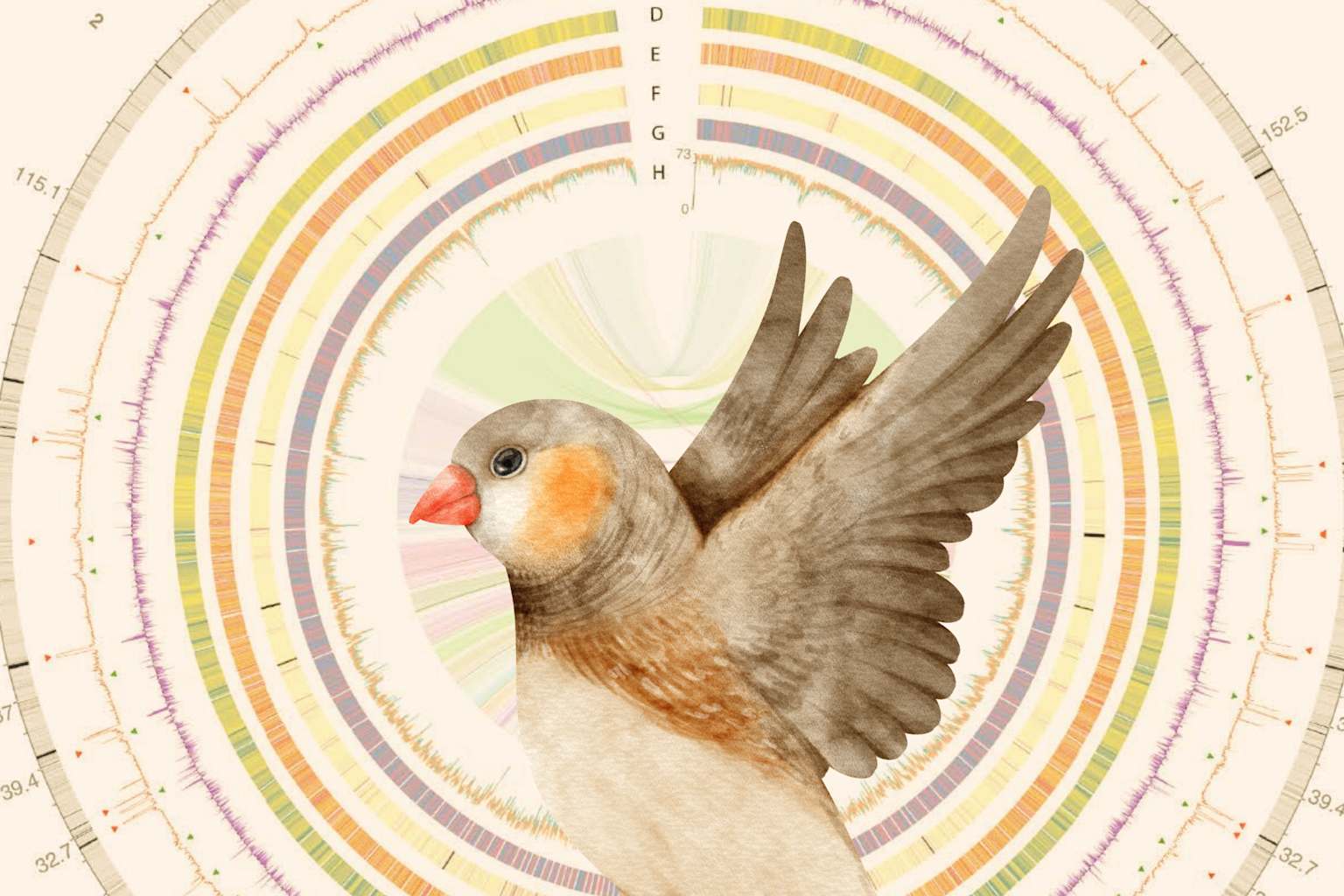
cell+1technologynetworks+1rockefeller+1Researchers at Rockefeller University have produced the first complete genome assembly of the zebra finch, uncovering 2,710 previously unknown genes and delivering the most accurate bird genome assembled to date. The achievement, published in Cell on August 6, resolves longstanding gaps in the songbird's genetic map and provides a new foundation for studying the biology of vocal learning.rockefeller+1
The new assembly is the first fully phased, diploid telomere-to-telomere genome of any bird, meaning it captures every chromosome from end to end while distinguishing DNA inherited from each parent. It adds roughly 90 million base pairs of sequence that were absent from earlier versions and resolves all 11 of the zebra finch's tiny dot chromosomes, structures that had long eluded sequencing technologies.technologynetworks+1
The work is part of a coordinated package of 10 papers from the Telomere-to-Telomere Consortium published simultaneously in Cell and Cell Genomics, extending the consortium's genome-completion methods beyond humans to other species.eurekalert+1
"This represents the second complete genome of a vocal learner. The first was a human," said Erich D. Jarvis, head of the Laboratory of Neurogenetics of Language at Rockefeller. "If there is a key molecule that converts a non-vocal learning species to a vocal learning species, it's in there somewhere."rockefeller+1
Bird genomes are notoriously difficult to assemble because they contain dozens of microchromosomes and long stretches of repetitive DNA that cause sequencing instruments to stall. The team combined multiple sequencing technologies, including methods capable of reading exceptionally long DNA molecules, and developed a custom protocol for chemically flushing and restarting devices when repetitive sequences clogged them.bioengineer+1
Unlike the first human telomere-to-telomere genome, which relied on a haploid cell line, this project required correctly separating two parental chromosome sets in a diploid organism — a distinction that matters for understanding gene regulation, disease susceptibility, and behavior.bioengineer
Among the most consequential findings, the researchers mapped the zebra finch's centromeres and discovered that birds share a highly organized centromere architecture previously thought to be unique to mammals. "The centromere is a fundamental unit of the cell that allows every cell division, ensuring the correct segregation of chromosomes," said Giulio Formenti, research assistant professor in the Jarvis laboratory.technologynetworks+1
The genome is now being incorporated into the Vertebrate Genomes Project, which Jarvis and Formenti co-lead, where it will serve as a reference for comparative analyses across the vertebrate tree of life.rockefeller+1
"This is a turning point in the field," Jarvis said. "We have the entire genome, and scientists can now use it to interrogate biology."technologynetworks