Newsletter Subscribe
Enter your email address below and subscribe to our newsletter
[forminator_form id="25163"]

All voices matter
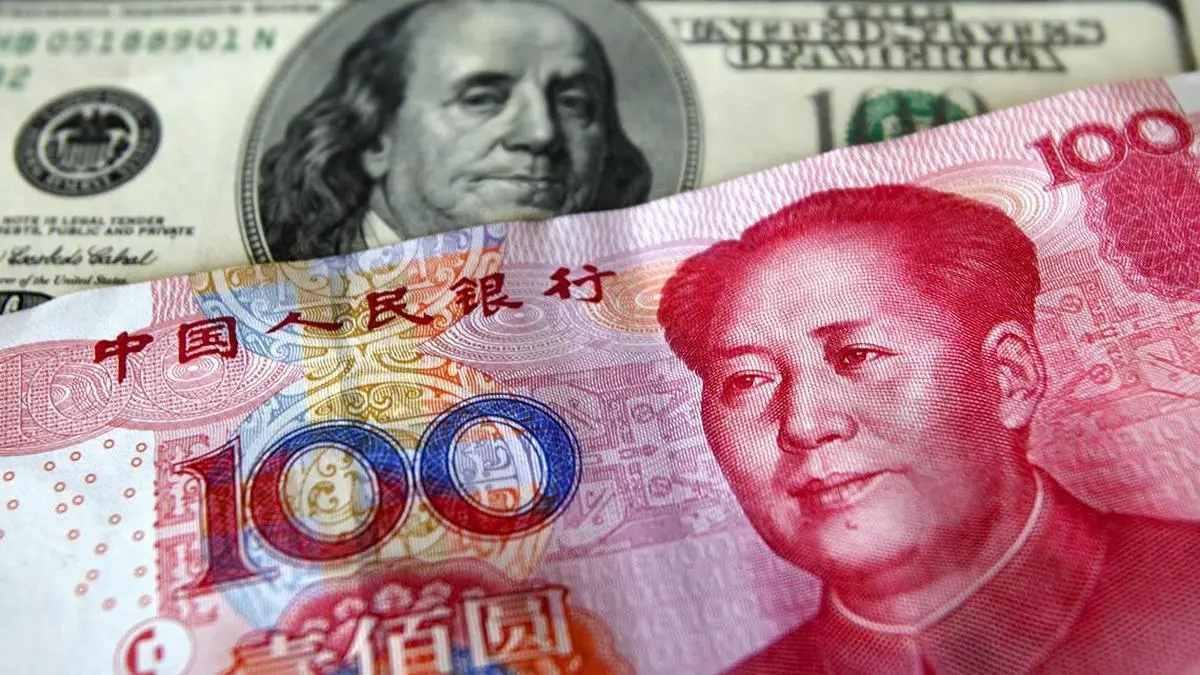
cnbc+1scmpwsjThe Federal Reserve's first interest rate increase in more than three years is putting new pressure on Beijing's plans to loosen monetary policy, forcing China's central bank to weigh the risk of capital outflows against the need to support a flagging domestic economy.
The Fed on Wednesday voted unanimously to raise the federal funds rate by 25 basis points to a target range of 3.75% to 4%, a move aimed at combating inflation driven in part by soaring energy prices amid the U.S.-Iran conflict. Updated projections from the Federal Open Market Committee point to the possibility of another rate increase before the end of 2026, with the median forecast placing the policy rate in the 4%-4.25% range by year-end.cnbc+2
The hike creates a fresh complication for the People's Bank of China, which entered 2026 signaling an "appropriately loose" monetary stance. PBOC Governor Pan Gongsheng said in January that "there is still room for further RRR and interest rate cuts this year," pledging to keep liquidity ample and financing costs low. The central bank has held its benchmark lending rates at record lows for 15 consecutive months, with the one-year loan prime rate at 3% and the five-year rate at 3.5%.english.scio+2
Yet the Fed's move widens the interest rate differential between the two economies, increasing pressure on the yuan and limiting Beijing's room to cut. The South China Morning Post reported that some analysts believe Beijing may still push ahead with rate cuts to bolster growth, though policymakers are likely to enter "a brief period of cautious observation," according to Shao Yu, chief economist with the Sci-tech Innovation Centre at Fudan University's School of Management.scmp
The rate hike rippled through global markets. The yield on the 10-year U.S. Treasury note climbed back above 5% for the first time in 19 years. Mark McCormick, chief FX strategist at TD Bank, warned in a recent note that "Goldilocks is breaking down," citing sticky inflation, higher rates, and slowing growth in both the U.S. and China as overlapping headwinds for equities.businessinsider+1
The PBOC had been gradually guiding the yuan stronger through much of the summer, with the currency gaining more than 4% against the dollar this year. That appreciation trend now faces reversal pressure as a stronger dollar reasserts itself. For Beijing, the central tension remains unchanged: how to stimulate a sluggish economy without triggering the kind of capital flight that a widening rate gap with the U.S. could invite.The Star