Newsletter Subscribe
Enter your email address below and subscribe to our newsletter
[forminator_form id="25163"]

All voices matter
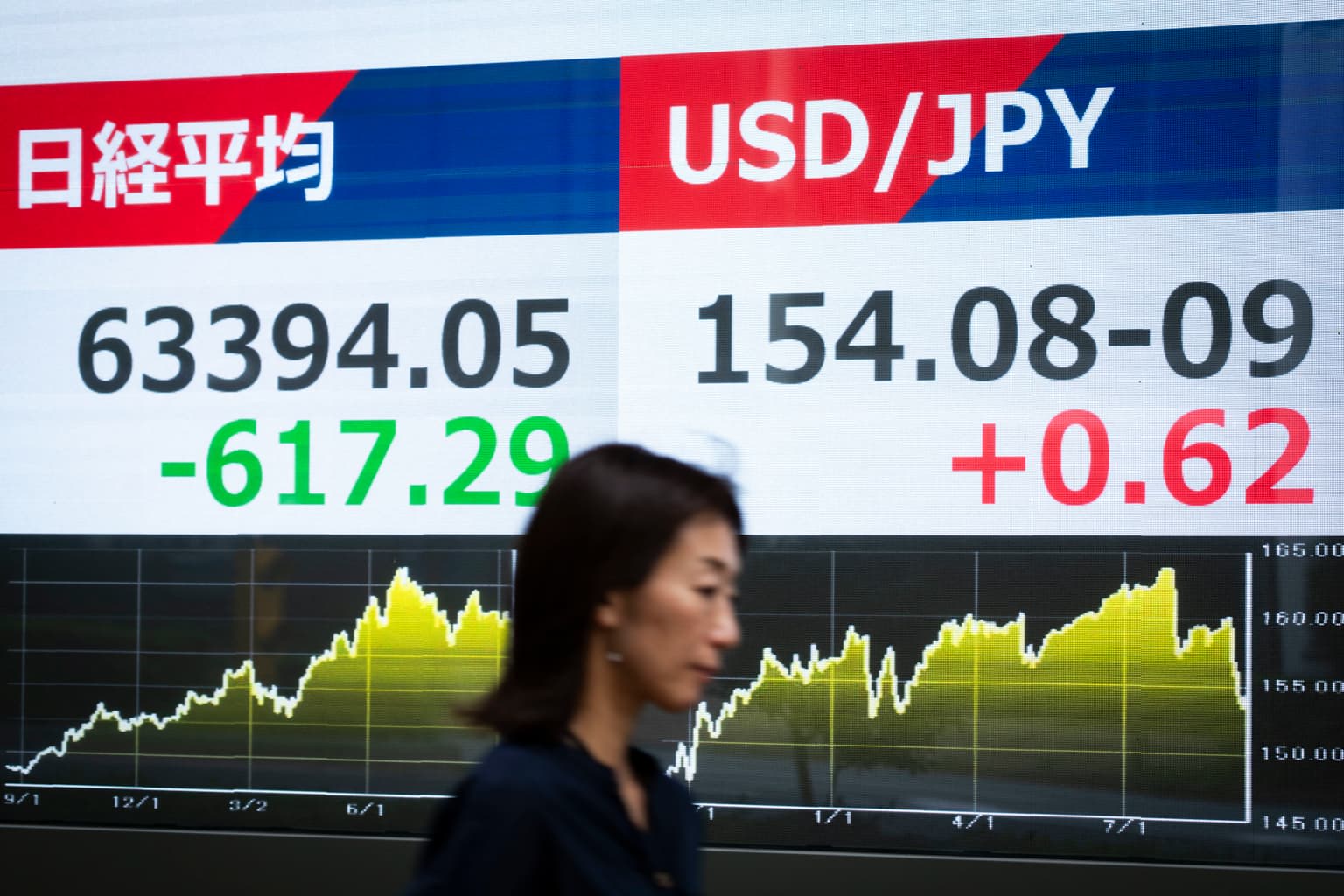
reuters+1fxstreet+1fxstreetThe U.S. dollar jumped against the Japanese yen on Friday after two Bank of Japan policymakers dissented from the central bank's decision to raise interest rates, casting doubt over the pace of future tightening even as Governor Kazuo Ueda struck a hawkish tone. The Dollar Index rose 1.1% over the week — its best weekly performance in more than three months — briefly touching a seven-week high near 100.50 before settling just above 100.20.fxstreet+1
The BOJ raised its policy rate by a quarter point to 1.25% on September 18, the highest level since 1995, in a 7-2 vote. Board members Toichiro Asada and Ayano Sato, both appointed this year by Prime Minister Sanae Takaichi, voted against the increase. Speculators who had positioned for a stronger yen ahead of the meeting unwound those bets, sending the currency to a two-week low against the dollar.reuters+1
"They raise rates and the currency loses 100 points — I think the market is looking at the BOJ versus the G3 and G10 central banks and the interest rate spread is what is in play," said Bart Wakabayashi, branch manager at State Street in Tokyo.reuters
Ueda told reporters that the BOJ's "policy phase has changed" from pushing inflation up toward its target to guarding against an overshoot, and that he would not rule out back-to-back hikes or moves of 50 basis points. But the lack of a firm timeline for the next increase left traders unimpressed.reuters
The BOJ's move capped a week in which three major central banks each raised rates by a quarter point. The European Central Bank lifted its deposit rate to 2.50% on September 10, and the Federal Reserve raised its benchmark to 3.75–4.00% on September 16. With all three moving by the same increment, interest rate differentials — the main driver of currency flows — were unchanged.fxstreet
At 1.25%, Japan's policy rate remains roughly a third of the bottom of the Fed's range and half of the ECB's, a gap analysts say continues to favor the dollar. Steve Englander, co-head of FX research ex-China at Standard Chartered, said the Fed's hike "removed one of the market's major deterrents to buying the dollar" and forecast the 10-year U.S. Treasury yield rising to 5.5% over the next 12 months.tradingview+1
Futures markets price another Fed rate increase on October 28 at better than even odds, with the rate reaching 4.50–4.75% by mid-2027. Analysts polled by Reuters expect the BOJ to raise rates to 1.5% by end-March and 1.75% in the second quarter of 2027.fxstreet+1
Ten Fed speeches are scheduled for the coming week, beginning with Chicago Fed President Goolsbee on Monday, while flash purchasing surveys on Wednesday will offer the next read on U.S. growth. For the dollar, the question is whether the Fed's rate advantage keeps growing — or whether the BOJ, despite the dissent, narrows the gap faster than markets now expect.fxstreet