


Newsletter Subscribe
Enter your email address below and subscribe to our newsletter
[forminator_form id="25163"]

All voices matter
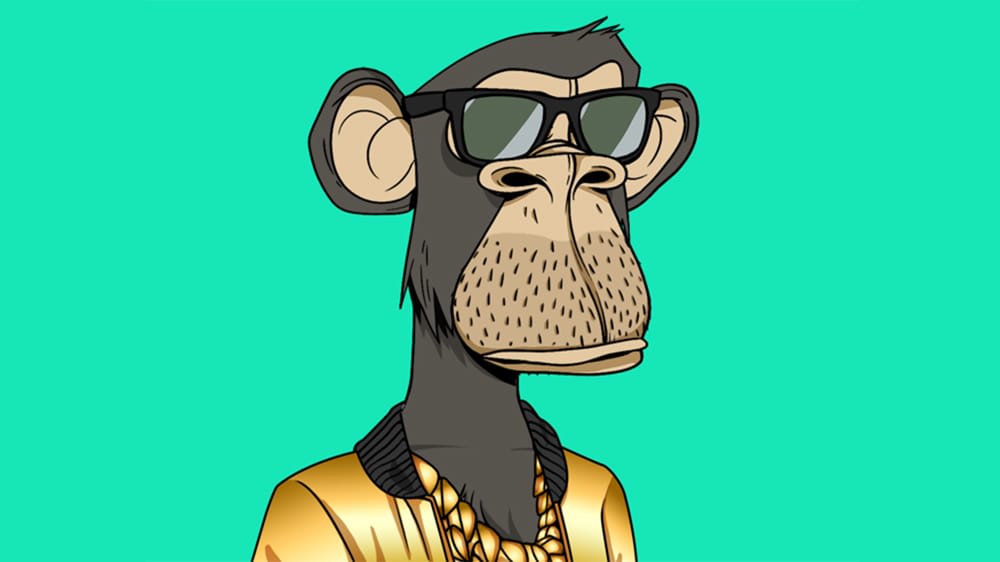
crypto+1.crypto+1.crypto+1.crypto+1.crypto.The US Ninth Circuit Court of Appeals has overturned a $9 million judgment that favored Yuga Labs in its trademark dispute with artist Ryder Ripps and business partner Jeremy Cahen, dealing a setback to the creator of the Bored Ape Yacht Club NFT collection. The Wednesday ruling found that Yuga Labs failed to prove that Ripps' satirical "Ryder Ripps Bored Ape Yacht Club" NFTs were likely to cause consumer confusion.crypto+1
The three-judge panel sent the case back to a California federal court for trial, where a jury will determine whether the contested NFTs violate Yuga's trademark rights. While reversing the monetary award, the court established a landmark precedent by affirming that NFTs qualify as "goods" under US trademark law.cryptorank+1
Despite the financial setback, the court's recognition that NFTs are protectable under the Lanham Act represents a victory for the broader NFT industry. The ruling rejected arguments that NFTs are too intangible to qualify for trademark protection, according to The Block.theblock
Yuga Labs retained trademark priority as the first commercial user of the Bored Ape Yacht Club marks. The court also dismissed Ripps' claims that his work constituted protected "expressive work" under the First Amendment or qualified as nominative fair use.crypto+1
The case now returns to the district court in California, where a jury will evaluate whether Ripps' and Cahen's NFT collection infringed on Yuga Labs' trademarks. This trial will focus on critical issues including brand confusion, artistic intent, and the commercial nature of the RR/BAYC project. Yuga Labs co-founder Greg Solano expressed determination on social media, stating they would "finish the fight" in the lower court and highlighting the important precedent established for NFT holders.crypto
cryptocryptoThe court's reversal hinged on Yuga Labs' failure to conclusively demonstrate that average consumers would mistake Ripps' NFTs for authentic Bored Ape products. The three-judge panel determined that while the rival collection used similar imagery and naming conventions, this alone wasn't sufficient to warrant summary judgment without a full trial exploring consumer perception. According to the ruling, "Because Yuga has not yet proved its claim of likely consumer confusion, we remand for trial."crypto+2
The Ninth Circuit also rejected several key defenses raised by Ripps and Cahen. Their claims that the NFT collection qualified as protected artistic expression under the First Amendment were dismissed, as were arguments for nominative fair use protection. The court specifically found that their use of Yuga's trademarks exceeded what would be permissible under fair use doctrines, maintaining that while the case requires trial, the defendants' legal justifications for appropriating the Bored Ape brand were insufficient.mitrade+2


