Newsletter Subscribe
Enter your email address below and subscribe to our newsletter
[forminator_form id="25163"]

All voices matter
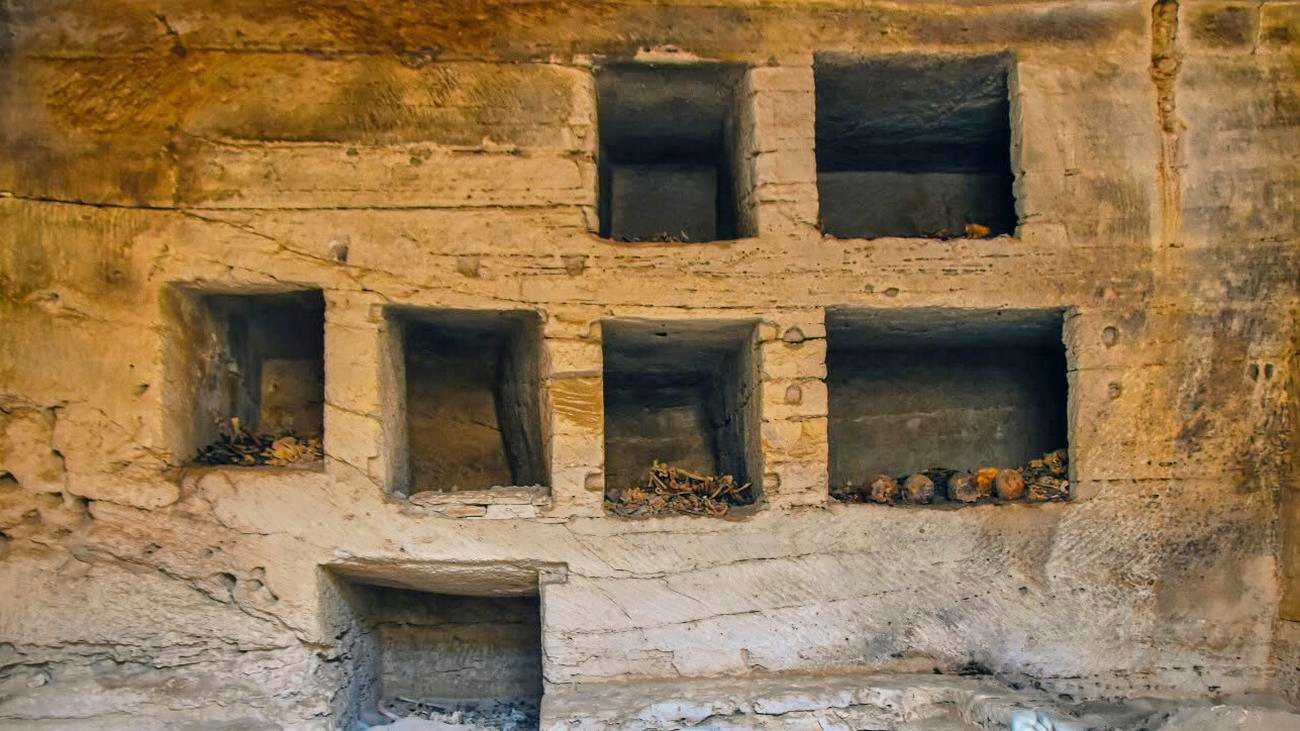
theguardian+1theguardian+1theguardian+1Egypt's Ministry of Tourism and Antiquities announced on Saturday the discovery of 18 previously unknown Greco-Roman tombs at the archaeological site of Marina El Alamein, roughly 100 kilometers west of Alexandria on the Mediterranean coast. The find includes a sealed 2.5-meter granite sarcophagus believed to have remained unopened for nearly two millennia and 24 gold objects placed in the mouths of the deceased as part of an ancient funerary ritual.theguardian+2
The excavation, led by Egyptian archaeologist Eman Abdel-Khaliq, revealed 11 rock-cut tombs reaching an average depth of eight meters and seven surface-level tombs built from limestone. Several burial chambers were found with their original stone sealing slabs still in place, suggesting they had not been disturbed since antiquity. The granite sarcophagus, its lid still intact, contained skeletal remains now under study. Near the sarcophagus, archaeologists recovered the remains of a plaster sphinx statue.journaldemontreal+1
Among the artifacts were complete and near-complete pottery vessels, amphorae, oil lamps, plates, limestone altars and basins, and architectural elements belonging to the tomb structures. The 24 gold pieces found in the mouths of several individuals correspond to a practice known as "the golden tongue," linked to beliefs about the afterlife in the Greco-Roman period.theguardian+3
The discovery brings the total number of known tombs at the site to 44 since Marina El Alamein was first identified in 1986 during construction work. Archaeologists believe the site corresponds to the ancient port city of Leukaspis, which flourished from the Hellenistic era through the Byzantine period.ZEIT ONLINE+3
The announcement was made alongside a separate discovery of a well-preserved Byzantine-era residential settlement in Egypt's Western Desert at the Dakhla Oasis, where roughly 200 inscribed pottery fragments in Coptic and Greek, bronze coins bearing portraits of Byzantine emperors, and gold coins dating to the reign of Emperor Constantius II (337–361 AD) were also found.theguardian+1
Marina El Alamein has been the subject of archaeological work since the 1990s, with the site encompassing extensive remains of a harbor city that functioned from the second century BC to the sixth century AD. Minister of Tourism and Antiquities Sherif Fathy described the latest findings as deepening understanding of the site's role as a cultural crossroads between ancient Egypt and the broader Mediterranean world.sis+2