Newsletter Subscribe
Enter your email address below and subscribe to our newsletter
[forminator_form id="25163"]

All voices matter

ST+1ST+1South China Morning Post+1China's urban youth unemployment rate stood at 14.9% in June, marking the highest reading for that month since the government overhauled its methodology more than two years ago, even as a record wave of 12.7 million university graduates prepares to enter a labor market increasingly reshaped by artificial intelligence.
Data released Monday by the National Bureau of Statistics showed the jobless rate for 16-to-24-year-olds, excluding students, fell for a third consecutive month from 15.6% in May. While the decline follows a typical seasonal pattern, the June figure was higher than at the same point last year. China suspended publication of youth unemployment data in mid-2023 after the rate hit 21.3%, resuming in January 2024 with a revised methodology that excludes students from the sample.The Mighty 790 KFGO | KFGO+4
Zhaopeng Xing, an economist at Australia & New Zealand Banking Group ANZ Group Holdings Limited, warned that youth unemployment could approach 20% in the next two months as labor supply pressures intensify with the summer graduation season. Last year, the rate surged to 17.8% in July as graduates entered the workforce.ST+3
The 2026 graduating class of 12.7 million is roughly 480,000 larger than 2025's cohort, according to the Ministry of Education. When combined with previous years' graduates still seeking work and returnees from overseas study, the total number of young job seekers could surpass 15 million, The Guardian reported.South China Morning Post+2
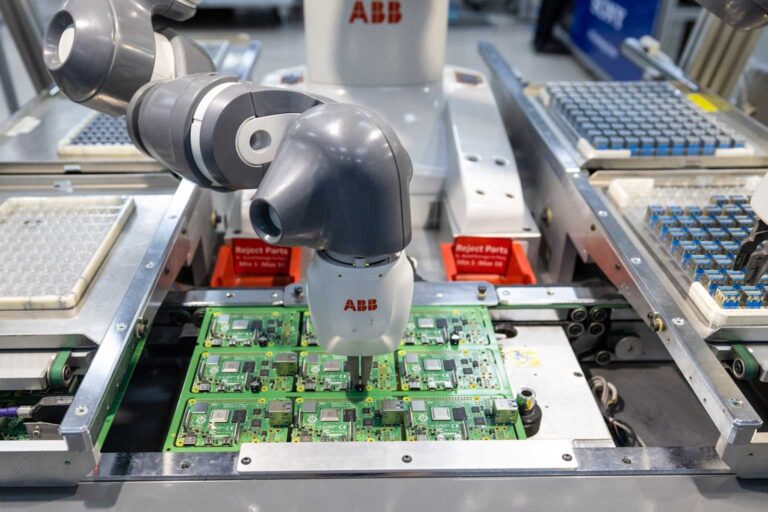
The challenge is compounded by rapid AI adoption across Chinese industries. Companies are reducing entry-level and graduate hiring while replacing routine tasks with automation tools, according to reporting by Modern Diplomacy. One analysis cited by LinkedIn estimated AI is replacing more than 80% of entry-level coding tasks and over 90% of administrative and customer service roles. The Guardian noted that entry-level tech roles have been particularly hard-hit.The Guardian+2
Beijing has launched a series of measures to address the mismatch. In March, the Ministry of Human Resources and Social Security issued a 16-point plan including social insurance subsidies, tax reductions for employers, and subsidized internships in emerging sectors. China's 15th Five-Year Plan for employment, approved this year, aims to create more than 12 million new urban jobs annually while keeping the overall unemployment rate around 5.5%.China Daily+2
Officials have framed AI as both a threat and an opportunity, pledging to harness the technology to generate new occupations rather than simply displace workers. A court ruling in Hangzhou in April deemed unlawful a tech company's dismissal of an employee replaced by AI software, signaling the judiciary's role in managing the transition.ST+1
Still, economists warn that AI-driven displacement may outpace job creation in the near term, and the coming months will test whether Beijing's policy toolkit can prevent a return to the politically sensitive highs last seen in 2023.Modern Diplomacy