Newsletter Subscribe
Enter your email address below and subscribe to our newsletter
[forminator_form id="25163"]

All voices matter
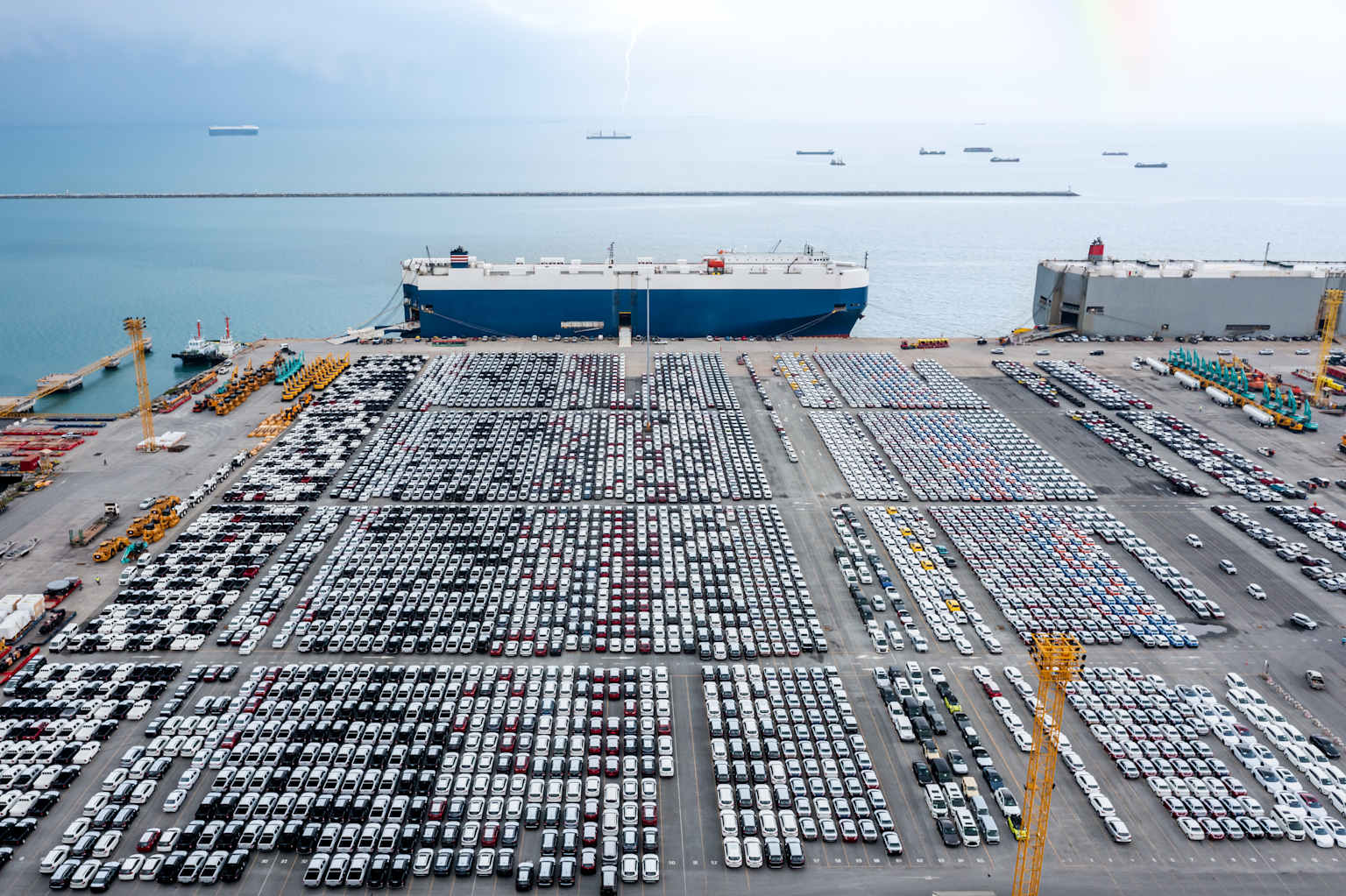
carbonbrief+1bignewsnetworkelectrekChina's oil consumption fell 9% year-on-year in the second quarter of 2026, with transportation fuel use plunging 16%, according to data from the National Bureau of Statistics of China analyzed by Carbon Brief. The drop was steep enough to pull the country's overall CO2 emissions down by 1% — the first time reductions in oil use, rather than coal, have driven a decline in Chinese emissions.carbonbrief
The International Energy Agency's August Oil Market Report projects global oil demand will contract by 1.6 million barrels per day in 2026, the first such decline since the COVID-19 pandemic cratered consumption in 2020.ogj+1
Two forces converged to produce the sharp contraction. The ongoing conflict around the Strait of Hormuz disrupted Gulf oil supplies and pushed fuel prices higher across Asia, while China's rapid adoption of electric vehicles continued to structurally erode petroleum demand. China's net crude oil imports fell roughly 30% in Q2, and gasoline imports for the first half of the year dropped 61%, according to Reuters.energyandcleanair+3
The EV effect has been dramatic. Electric vehicles in China displaced an estimated 1.4 million barrels of oil per day during the first half of 2026 — a 42% increase from the same period a year earlier — according to a Jefferies report citing research from the Centre for Research on Energy and Clean Air. That volume of displaced oil roughly matched the United Kingdom's entire oil consumption over the same period.electrek+1
Sinopec Chairman Hou Qijun said at an August earnings briefing in Hong Kong that Chinese oil demand "very likely peaked last year," moving up the company's previous estimate of 2027. "Next year, even if the US-Iran conflict eases up, things might recover, but it won't hit last year's level," Hou said.bloomberg+1
The declaration carries weight: Sinopec is China's largest refiner, and the admission that peak demand has already passed represents a shift from an industry that had long projected continued growth.
The IEA now forecasts global oil supply will fall 4.3 million barrels per day in 2026 due to Middle East disruptions, leaving the market in deficit despite weakening demand. But if the Strait of Hormuz crisis eases and supply normalizes while Chinese demand continues to erode, an oversupply scenario becomes increasingly plausible — with producers dependent on Chinese imports, including Saudi Arabia and several West African exporters, most exposed.cryptobriefing+1
Coal-fired power generation in China actually rose 2.4% during Q2, yet the oil contraction more than offset that increase. If the trajectory holds, China could meet its carbon peak commitments well ahead of the official 2030 deadline set under the Paris Agreement.carbonbrief