Newsletter Subscribe
Enter your email address below and subscribe to our newsletter
[forminator_form id="25163"]

All voices matter
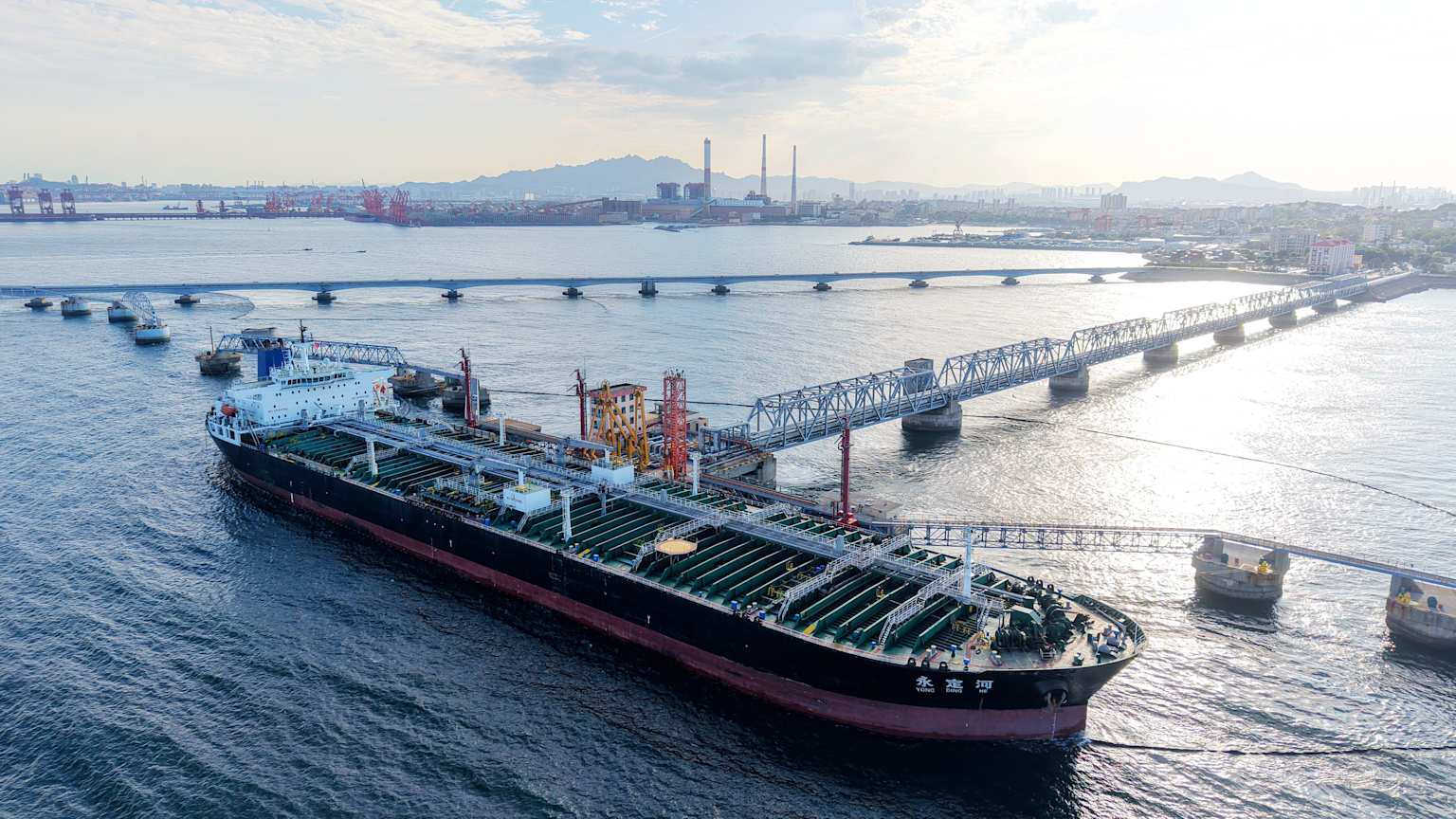
bloomberg+1reutersreutersChina's crude oil imports fell 23.4% year-on-year in August to 37.93 million metric tons, according to customs data released Tuesday, as the world's largest oil buyer continued to absorb the heaviest share of supply disruptions caused by the ongoing conflict around the Strait of Hormuz.bloomberg+1
The figures mark an improvement from the lows of the second quarter, when imports dropped to their weakest since 2016, but remain far below pre-conflict levels. Seaborne arrivals reached 7.14 million barrels per day in August, up from 6.93 million bpd in July but still 4.27 million bpd below the average of 11.41 million bpd in the three months before the U.S. and Israeli attack on Iran on February 28, according to Kpler data cited by Reuters.reuters+1
Vitol CEO Russell Hardy, speaking at the APPEC energy conference in Singapore, described the 5–6 million bpd gap between China's 2025 and 2026 crude import levels as unsustainable, signaling that Chinese buying would need to accelerate. Hardy noted that global oil demand is expected to fall by 1.5 million bpd in 2026 compared with 2025, but said product stockpiles are still drawing globally, a sign that refined fuel consumption continues to outpace supply.investinglive+1
The warning carries weight given Vitol's position as the world's largest independent oil trader, with direct visibility into physical flows. Bloomberg reported Tuesday that Chinese importers shipped in 6.2% more crude in August than in July, with cargoes from the Persian Gulf creeping higher and refiners increasing purchases from alternative sources.bloomberg
Chinese refiners have turned increasingly to Russia to offset constrained Middle Eastern supply. Seaborne imports from Russia reached 1.68 million bpd in August, the highest since March and up from 1.40 million bpd in July, according to Kpler data. China also receives roughly 1 million bpd via pipelines from Russia.bairdmaritime+1
The pivot has put China in direct competition with India, whose refiners have also replaced Middle Eastern barrels with Russian crude. Meanwhile, smaller independent Chinese refiners are losing access to Iranian crude as a U.S. naval blockade prevents new shipments from leaving the Gulf.reuters+1
Exports of light and middle distillates rose to 963,000 bpd in August from 774,000 bpd in July, nearly matching the increase in crude imports and underscoring the incentive created by high Asian refining margins for diesel and gasoline. Brent crude futures, which surged 75% from the start of the conflict to a four-year high of $126.41 a barrel on April 30, had moderated but remain at levels above what many Chinese refiners consider comfortable.bairdmaritime+1
The U.S. Energy Information Administration noted that China's second-quarter imports averaged just 8.1 million bpd, a 32% decline from the prior quarter. Whether China resumes large-scale purchases or continues drawing down strategic and commercial reserves remains the central question for global crude markets heading into the final months of the year.eia