


Newsletter Subscribe
Enter your email address below and subscribe to our newsletter
[forminator_form id="25163"]

All voices matter
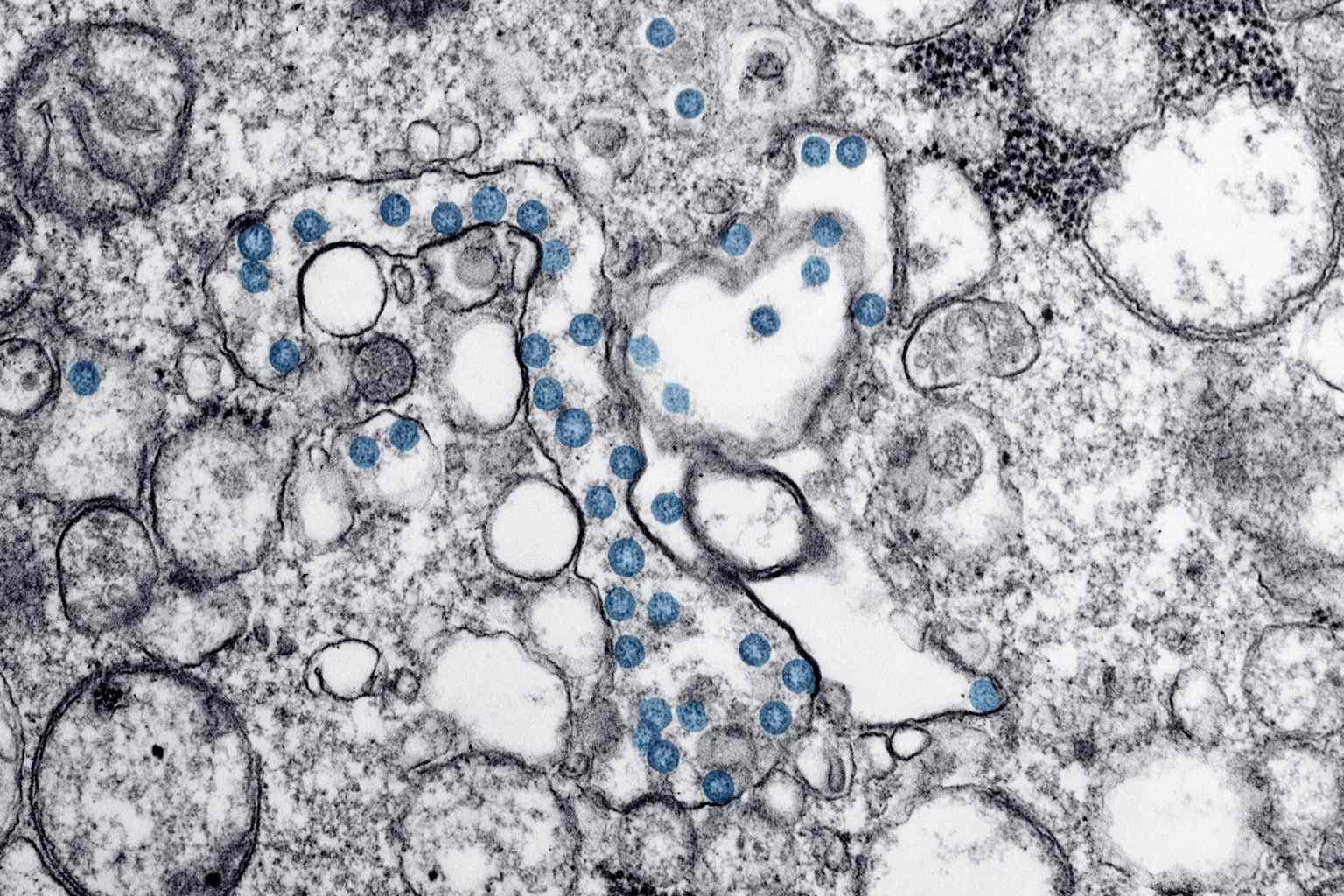
phys+1martincidphys+1For five centuries, the deadliest epidemic in the history of the Americas lacked molecular proof of its origin. That gap has now been filled. Researchers from Trinity College Dublin and the University of Chile have recovered variola virus DNA from two naturally mummified individuals in northern Chile, providing the first direct genetic evidence that smallpox arrived in the Americas from Europe during the colonial period.phys+1
The study, published Thursday in the journal Science, analyzed ancient viral DNA from two individuals buried at an archaeological site called Camarones 9, near Chile's Pacific coast, between the late 15th and early 17th centuries. Their viral genomes were nearly identical, indicating both were infected during the same outbreak. The researchers designated the new strain CAM9 — a now-extinct lineage that sits evolutionarily between medieval European strains and later colonial-era variants.sciencealert+2
The positioning of CAM9 in the variola phylogenetic tree is central to the finding. It occupies precisely the slot where a newly arrived strain should appear: descended from Old World lineages but not yet carrying the mutations that accumulated over generations of transmission in the Americas.martincid
"This discovery provides the first molecular confirmation that smallpox was carried to the Americas during the colonial period," said Dr. Shigeki Nakagome of Trinity's School of Medicine. The team also found that viral evolution slowed markedly during the height of colonial expansion in the 17th and 18th centuries, suggesting the virus reached an evolutionary optimum in immunologically naive populations.sciencealert+1
Dr. Lara Cassidy of Trinity's School of Genetics and Microbiology noted that evolutionary stability appears to have ended in the 19th century as vaccination became widespread, with the pace of viral change increasing again as immunity levels rose.phys
Smallpox is estimated to have caused some four million deaths in Indigenous communities in the Americas, contributing to population declines as high as 90 percent in the hardest-hit regions. The disease often preceded colonial armies, spreading through pre-existing Indigenous trading networks.sciencealert+1
The research team, led by doctoral student Bruno Romero González, was not originally searching for pathogens. Romero González was processing bone samples for population ancestry data when a bioinformatic pipeline flagged viral material in both mummies. Co-author Constanza de la Fuente Castro of the University of Chile emphasized both the technical difficulty of working with ancient, degraded DNA and the need for greater research capacity in Latin America.martincid+1
"If we prioritize capacity building over exporting samples, it may take us longer to publish, but that knowledge will be rooted in the region, rather than extracted from it," de la Fuente told ScienceAlert.sciencealert


