Newsletter Subscribe
Enter your email address below and subscribe to our newsletter
[forminator_form id="25163"]

All voices matter
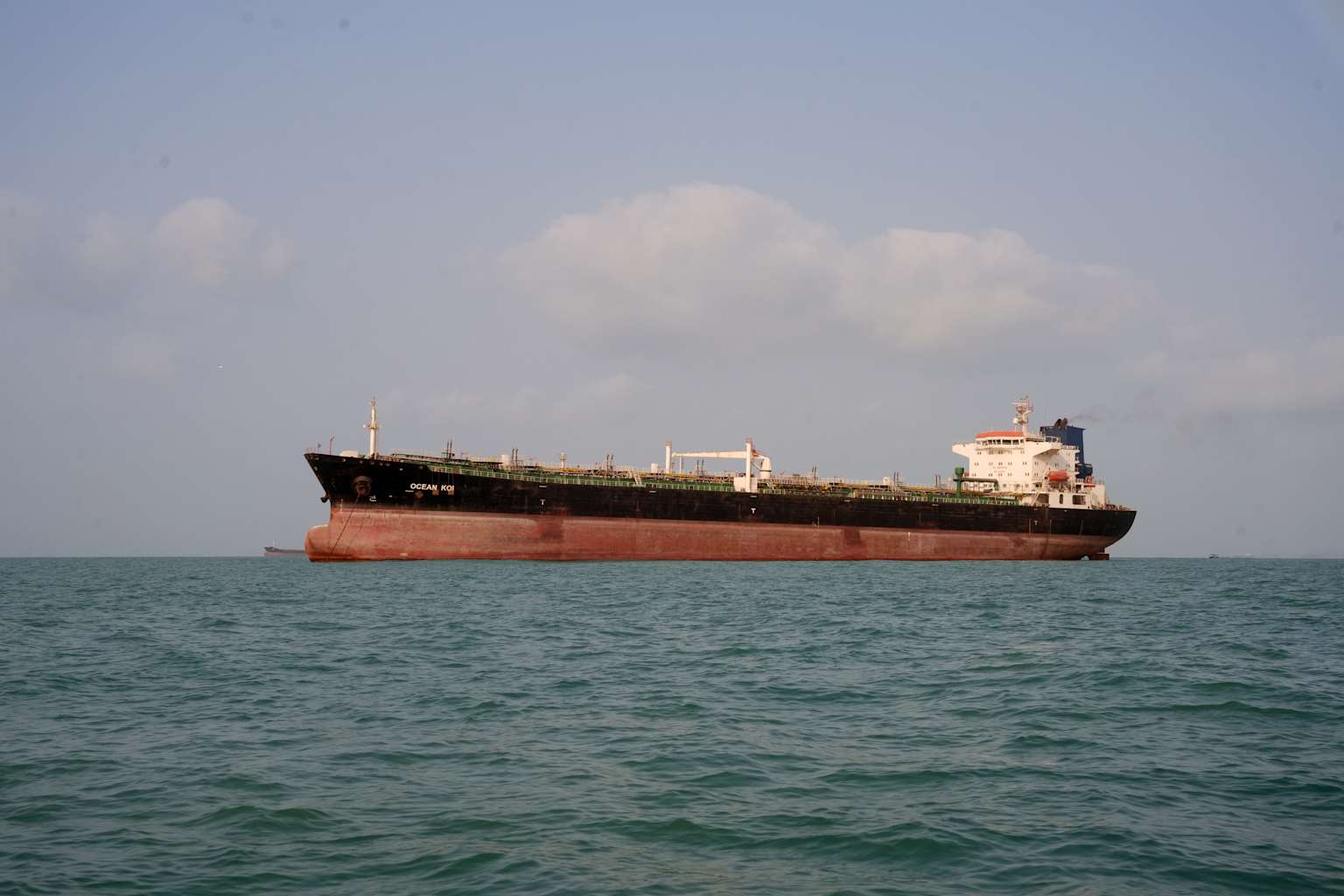
oilpricettnewsaljazeera+1Charter rates for supertankers on the benchmark Middle East-to-China route approached $500,000 per day last week, a roughly tenfold increase from normal levels, as the ongoing conflict involving Iran continues to choke off traffic through the Strait of Hormuz.
The Baltic Exchange assessed earnings on the TD3 route — the industry standard for very large crude carriers sailing from the Middle East to China — at $498,000 per day on August 7, according to Transport Topics. The figure reflects the severe contraction in vessels willing to transit the strait, where Iranian military activity has deterred most international shipowners since hostilities began in late February.ttnews
Bank of America warned on Monday that oil markets need roughly ten times more ships passing through Hormuz to stabilize global supply. The bank noted that only 5 to 10 vessels are currently making the passage daily, compared with approximately 140 before the conflict. Shipping data firm Kpler recorded just five tanker transits on August 5.kingdomexploration+1
The strait, which handled about one-fifth of global oil supplies before the war, has seen traffic effectively collapse, according to Al Jazeera, triggering what the outlet called "the largest energy disruption in recorded history". Brent crude stood at $83.77 a barrel as of Monday, up roughly 16 percent since the start of the U.S. and Israel's war on Iran.aljazeera
The supply disruption has hit refined products hardest. Diesel crack spreads have surged to $80–$85 per barrel, now trading above WTI crude itself, according to Bank of America's analysis. The Dallas Federal Reserve noted that global diesel and jet fuel supplies have experienced the sharpest disruption, driving the surge in crack spreads.oilprice+1
Asian refiners — historically dependent on Middle Eastern crude — are actively diversifying supply sources. CNBC reported that Iran's restrictive draft plan for reopening the strait sent oil prices higher last week, renewing concerns over prolonged disruptions. The remaining shipowners willing to operate in the Persian Gulf can command extraordinary premiums, with industry sources indicating daily earnings reaching $500,000 for those accepting the risk.cnbc+1
Energy stocks climbed 3.5% on Monday, led by Exxon Mobil and Chevron , as the oil rally lifted the broader S&P 500 toward 8,000. The FTSE 100 slipped 0.4% as higher crude prices weighed on the UK benchmark.ts2
With Iran sending mixed signals about a shipping agreement, traders remain positioned for further upside. The crisis shows no signs of near-term resolution, leaving global energy markets exposed to what Bank of America has characterized as acute shortages across diesel, gasoline, and natural gas.oilprice