Newsletter Subscribe
Enter your email address below and subscribe to our newsletter
[forminator_form id="25163"]

All voices matter

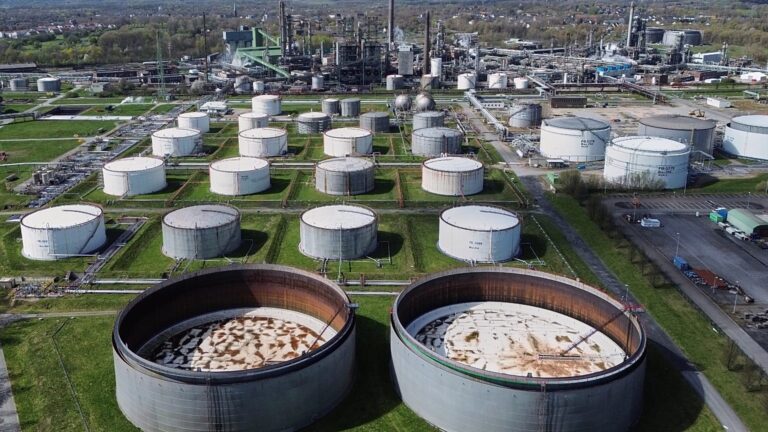
scmp+1businessamlive+1businessamliveA widening gap between crude oil prices and the cost of refined fuels is exposing a structural fracture in the global energy system: there is plenty of oil in the ground, but not enough refining capacity to turn it into the gasoline, diesel and petrochemicals the world needs.
Goldman Sachs analysts, in a late-August assessment led by Yulia Zhestkova Grigsby, estimated that global refinery outages stood 60% above seasonal norms, according to a report by the South China Morning Post Alibaba Group Holding Limited . The bank more than doubled its forecasts for diesel-making margins and warned the squeeze could persist through the second half of 2027.scmp+1
Two forces are compressing supply. Damage from the Iran conflict — including Houthi strikes on Saudi Aramco facilities in Jizan, Yanbu and Jeddah — has slashed output and deliveries from the Middle East. Intensified Ukrainian drone attacks on Russian refineries have prompted Moscow to ban diesel exports through at least the end of September. Russia's Deputy Prime Minister Alexander Novak said on Thursday at an economic forum in Vladivostok that the production dip is "temporary," but analysts remain skeptical.businessamlive
China, which holds the world's largest refining capacity, imposed fuel export controls earlier this year, though Beijing has gradually relaxed those restrictions. Reuters reported on September 2 that Chinese refiners are expected to export slightly more than 4 million metric tons of gasoline, diesel and jet fuel in September. Still, Goldman Sachs and market analysts attributed the persistent tightness partly to China's earlier curbs.reuters+1
The numbers underscore the scale of the problem. July refinery crude throughputs remained nearly 5 million barrels per day below year-ago levels, at 80.9 million bpd, with "capacity elsewhere in the system currently unable to offset product supply bottlenecks," the International Energy Agency said in its August report. Phillips 66 executive Brian Mandell told analysts during a second-quarter earnings call that at least 7 million bpd of refining capacity was offline in Asia and the Middle East, with another 1.4 million bpd down in Russia.oilprice+1
Nikhil Agarwal, managing director of Globestar Energy, put it bluntly at Energy Trading Week Middle East in Dubai: "Crude is surplus globally, but there is no refining capacity available to refine it and bring it to market".businessamlive
Nowhere has the downstream impact been more visible than in Japan, where media outlets have coined the term "naphtha bankruptcies" to describe the cascading effects on manufacturers dependent on oil-derived inputs. Naphtha — a flammable liquid refined from crude — is a foundational input in polyester fibers, packaging and industrial solvents. A June survey by Tokyo Shoko Research found that about 80% of more than 7,000 responding firms had difficulty procuring oil-derived products. Bankruptcies rose to 1,028 companies in July, up from 1,021 in June.tradingeconomics+1
Rystad Energy has revised its Russian crude production forecast to average 8.95 million bpd in 2026, declining to around 8.6 million bpd in 2027, warning that drone attacks are now constraining upstream output as well as refining.businessamlive