Newsletter Subscribe
Enter your email address below and subscribe to our newsletter
[forminator_form id="25163"]

All voices matter
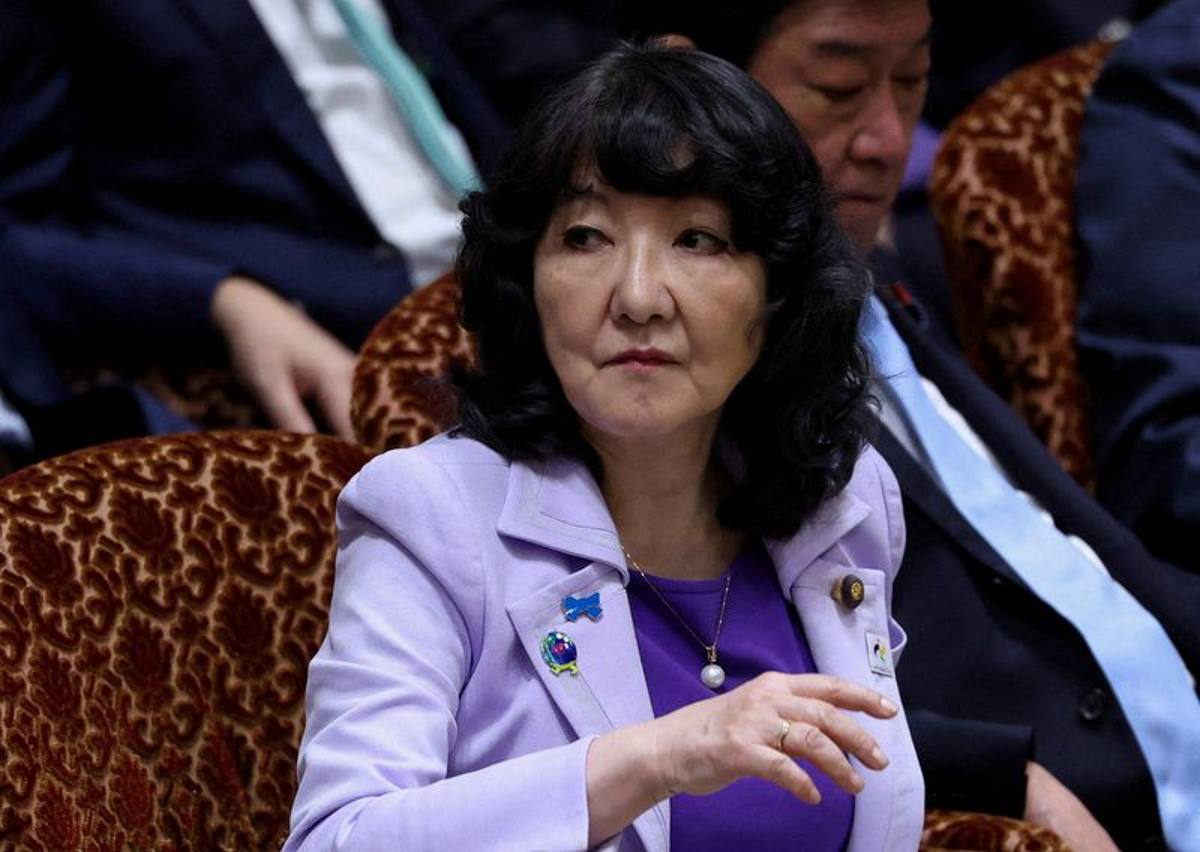
reutersreuters+1internazionaleJapanese authorities deployed a record ¥15.4 trillion ($96.5 billion) in currency intervention between July 30 and August 26 to prop up the yen, the Finance Ministry disclosed on Friday, marking the largest monthly foreign exchange operation in the country's history.reuters+1
The massive yen-buying, dollar-selling campaign was launched after the currency plunged to a 40-year low near 164 per dollar last month. The intervention included a rare joint operation with the United States on July 30-31 — the first coordinated yen-buying action between Washington and Tokyo since 1998. South Korea's central bank also timed its own won-buying intervention to amplify the effect.today.rtl+1
The yen initially surged to as strong as 155.20 per dollar by August 3 following the intervention, but has since drifted back toward 160, where it traded on Friday. USD/JPY breached the 160.00 handle during Friday's session despite fresh data showing Tokyo inflation excluding food and energy reaching 2% in August — the very conditions the Bank of Japan needs to justify a rate hike.fxstreet+1
The fundamental problem remains unchanged: the wide interest rate gap between the U.S. and Japan continues to incentivize carry trades funded in cheap yen. Even a Bank of Japan rate increase to 1.25% in September would leave a roughly 250-basis-point differential with the Federal Reserve's current range.fxstreet
Finance Minister Satsuki Katayama and BOJ Governor Kazuo Ueda will both attend next week's G20 finance chiefs meeting in Asheville, North Carolina, where markets expect renewed discussions on yen policy. U.S. Treasury Secretary Scott Bessent has said he looks forward to meeting Ueda and has publicly nudged the BOJ toward rate hikes as part of the effort to stabilize the currency.internazionale
Markets now price an 80% to 90% chance of a BOJ rate increase at its September 18 meeting. Katayama told reporters on Friday that the joint intervention statement with Bessent "was a very strong one and still lives."internazionale
Washington's willingness to participate reflects concern that Japan's solo defense — funded by selling U.S. Treasuries — could destabilize the American bond market. To address this, the U.S. has offered Tokyo access to a COVID-era Federal Reserve dollar-liquidity facility, allowing Japan to raise dollars without dumping Treasuries. Bessent said earlier this month that Washington would do "whatever it takes" to support Tokyo's stabilization effort.reuters
Japan's vulnerability is compounded by the Middle East conflict disrupting energy supplies from the Gulf, where 95% of Japan's energy imports originate. A weak yen inflates those costs for the resource-poor nation, squeezing households and businesses even as it benefits exporters like Sony and Toyota.today.rtl+1