Newsletter Subscribe
Enter your email address below and subscribe to our newsletter
[forminator_form id="25163"]

All voices matter
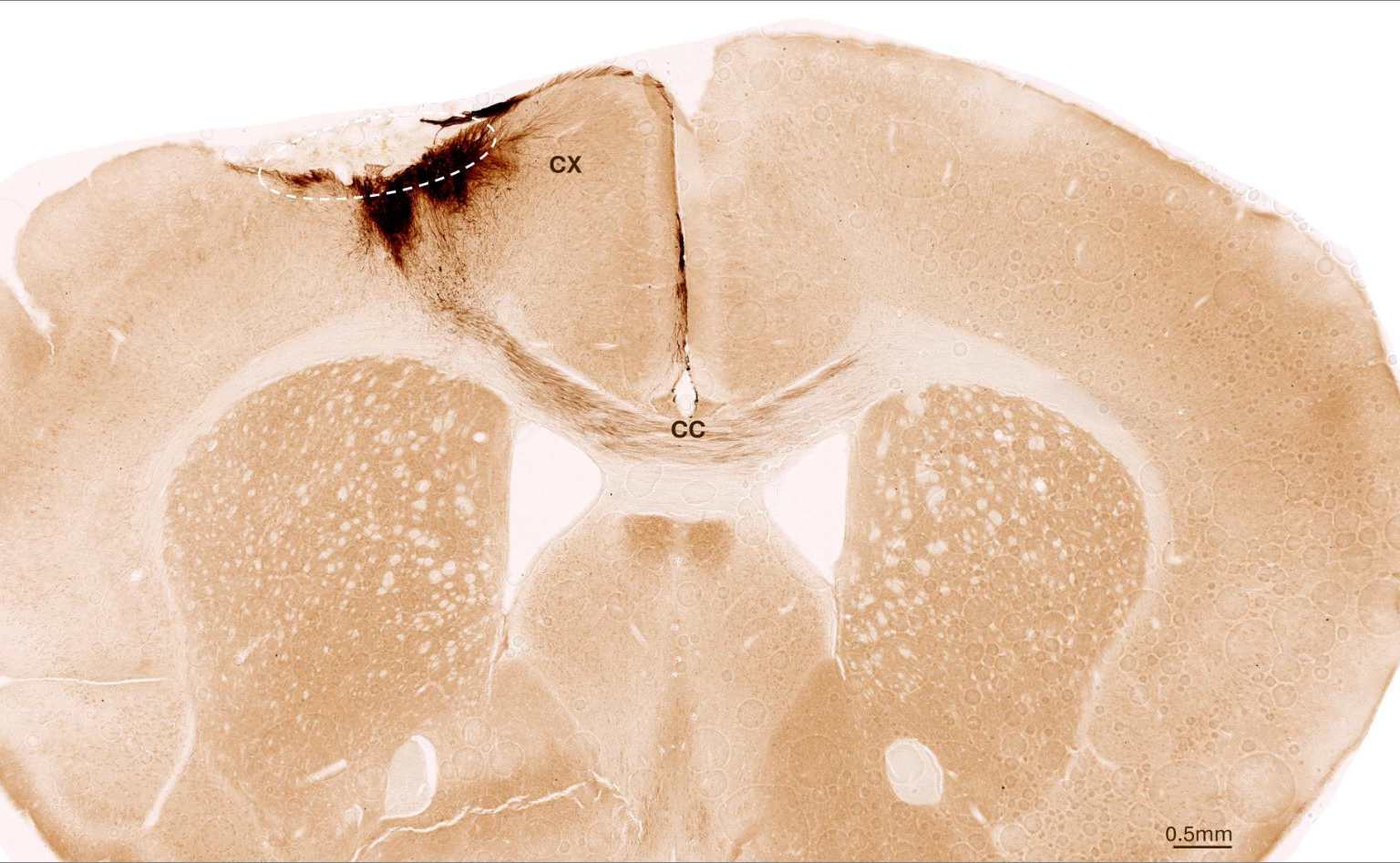
miragenews+1miragenewsnews.uzhThe adult brain can regenerate itself better than long assumed following injuries or certain autoimmune diseases, according to a study published Monday by researchers at the University of Zurich. The team discovered a specialized group of "regenerative" astrocytes that repopulate damaged brain areas through a previously unknown mechanism involving long-distance migration of newly formed cell nuclei.
The study, published in Nature Neuroscience, was co-led by Marina Herwerth and Matthias Wyss from the Institute of Pharmacology and Toxicology at the University of Zurich, with the research team headed by Bruno Weber. Scientists had long believed that when astrocytes — star-shaped glial cells that supply neurons with nutrients, regulate blood flow, and maintain brain tissue health — are destroyed, the adult brain cannot fully replace them.miragenews+1
Using two-photon microscopy to observe living mouse brains in real time over several weeks, the researchers identified a specialized subset of astrocytes at the edges of damaged tissue that activate to rebuild lost cells. These regenerative astrocytes do not simply divide; they perform what Weber called a "remarkable feat," sending newly formed daughter cell nuclei gliding across long distances through their elongated extensions to repopulate injured areas and restore the astrocyte network.news.uzh
The findings are particularly relevant for conditions involving astrocyte loss, such as brain injuries and neuromyelitis optica spectrum disorder, a rare autoimmune disease in which the body's own antibodies destroy astrocytes. "The findings of our study reveal a previously unknown ability of the adult brain to repair itself. They point toward new ways of supporting recovery from ailments involving the loss of astrocytes," Weber said.miragenews+1
The researchers also mapped the genes and signaling pathways that temporarily activate during this repair process. "We were able to identify numerous genes and signaling pathways that are temporarily activated during repair. They could serve as starting points in the future for influencing post-disease and -injury regeneration processes," Weber said.news.uzh
The discovery adds to a broader wave of research redefining astrocytes' role in the brain. Once considered mere support cells, astrocytes are now increasingly recognized as active participants in brain function, from memory processes to injury repair. If the regenerative mechanisms identified in the Zurich study can be selectively activated in humans, they could open therapeutic pathways for repairing damaged brain tissue and improving recovery after neurological disorders.thetransmitter+2