Newsletter Subscribe
Enter your email address below and subscribe to our newsletter
[forminator_form id="25163"]

All voices matter
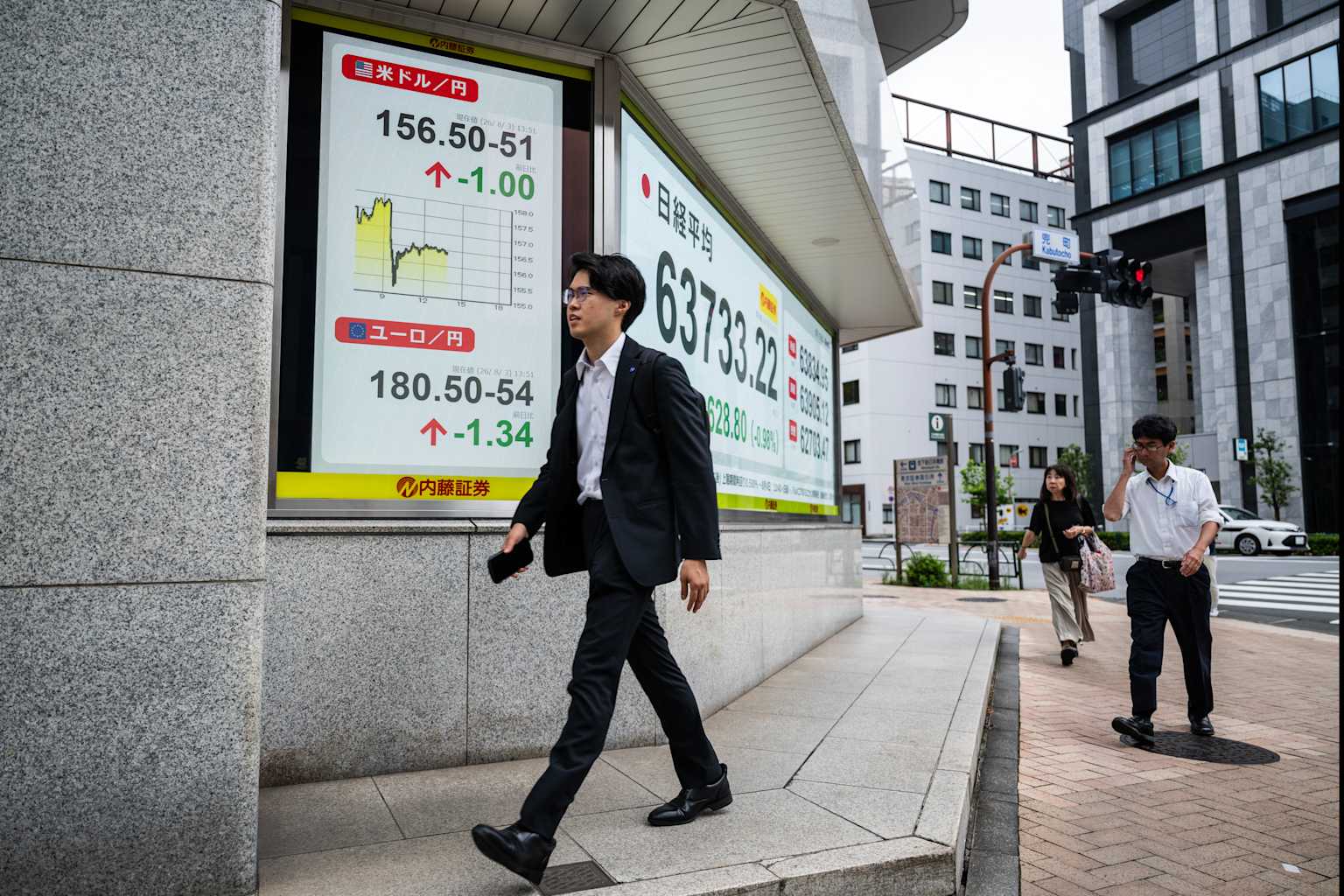
bitcoinworldnytimes+1klsescreenerThe Japanese yen has gained ground against the US dollar as rising volatility in American interest rates pushes investors to unwind carry trades and seek safety in the traditional haven currency, according to an analysis from BNY Mellon The Bank of New York Mellon Corporation published this week.
BNY strategists noted that elevated volatility in the US rate complex is prompting a shift in market behavior, with investors retreating from yield-chasing strategies that had kept the yen under pressure for much of the year. The bank's note described a "volatility-driven" bid providing a floor under the currency, even as the Bank of Japan maintains a cautious stance on further policy normalization.cryptorank+1
The USD/JPY pair fell to around 157.65 on August 7, reflecting a roughly 3% yen appreciation from recent levels. The move extends a recovery that began after the United States and Japan conducted a rare joint intervention on August 1 to stabilize the currency following its slide to 40-year lows above 163 per dollar in July.tradingeconomics+2
The classic yen carry trade — borrowing cheaply in yen to invest in higher-yielding dollar assets — has become less attractive as US rate expectations grow more erratic, BNY's analysis suggested. When these trades unwind, investors buy back yen, amplifying the currency's appreciation. MUFG Research Mitsubishi UFJ Financial Group, Inc. confirmed the yen's continued strengthening in early August, noting the joint intervention's lingering effects on market positioning.bitcoinworld+2
The uncertainty surrounding US monetary policy is reverberating beyond Japan. In Malaysia, economists noted that the ringgit's recent fluctuations were driven largely by external factors, particularly expectations around Federal Reserve policy and geopolitical tensions. Bank Muamalat chief economist Mohd Afzanizam Abdul Rashid said uncertainty over the Fed's rate trajectory had "heightened market volatility, with investors factoring in a higher risk premium for the US dollar as a safe-haven asset".klsescreener
Global strategist Stephen Innes cautioned that "a stronger dollar or a sudden reduction in global risk appetite can temporarily overwhelm" improving domestic fundamentals in emerging markets, with September's Fed meeting on September 15-16 looming as the next focal point for currency traders.klsescreener