Newsletter Subscribe
Enter your email address below and subscribe to our newsletter
[forminator_form id="25163"]

All voices matter
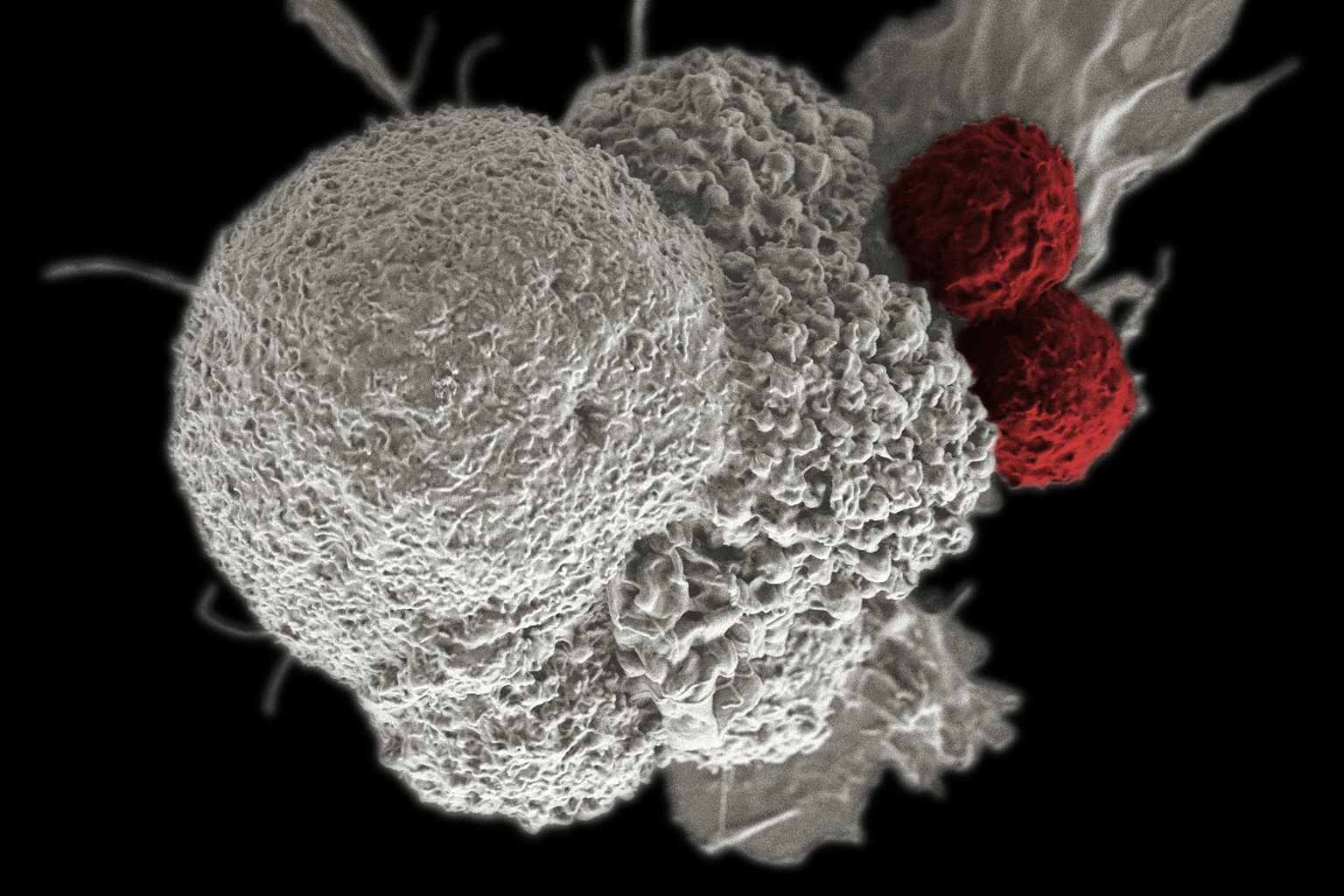
vai+1manilatimesvai+1An international team of scientists has unveiled one of the most extensive collections of patient-derived cancer models to date, offering researchers new tools to study tumor biology and accelerate the development of personalized treatments. The compendium, published Wednesday in Nature, is the product of the Human Cancer Models Initiative, a decade-long collaboration led by the National Cancer Institute and partners including Cancer Research UK, the Wellcome Sanger Institute, and Hubrecht Organoid Technology.vai+1
The collection comprises 665 laboratory models derived from 2,780 donors across 25 cancer types. Of those, 522 include detailed clinical data, 153 represent rare cancers, and 71 come from individuals of non-European ancestry. Each model is paired with deep genomic, epigenomic, and transcriptional data from its matched tumor, creating molecular profiles that help researchers connect tumor characteristics to experimental outcomes.nih+1
"By linking patient-derived models with detailed molecular and clinical data, HCMI has established a framework for advancing both our understanding of cancer and outcomes for patients," said Anthony Letai, director of NCI.nih
A central finding of the research is that the lab-grown models closely preserve the biology of the tumors from which they were derived. Analysis of 421 matched tumor-model pairs showed 97.8% concordance in genetic alterations, 95% agreement in epigenetic features, and 92% similarity in RNA expression patterns. These results held even after extended growth in laboratory conditions.manilatimes+1
"The culture conditions for growth of the organoids did not skew their genetic makeup or biological phenotypes," said Louis M. Staudt of NCI's Center for Cancer Research. "The hope and expectation are that the close similarity between a patient's tumor and the derived organoid model means that researchers can use them to discover vulnerabilities that can be exploited therapeutically".nih
The American Type Culture Collection, the sole authorized distributor of the HCMI organoid collection, called the study "exactly the kind of independent, published validation of advanced models our field requires".manilatimes
All models are being made available to the scientific community through ATCC, along with associated genomic, clinical, and molecular data. The Nature paper is accompanied by companion studies led by researchers at the Wellcome Sanger Institute, the Broad Institute of MIT and Harvard, and Cold Spring Harbor Laboratory. Researchers in glioblastoma, for instance, have already used the models to detect genetic features linked to resistance to the chemotherapy drug temozolomide, illustrating the collection's potential for studying therapeutic resistance.newsoffice.mit+1
"These models are excellent representations of their original tumors," said Peter W. Laird of Van Andel Institute, a co-author of the study. "We're excited to share this resource with the scientific community and hope that it will accelerate cancer breakthroughs".vai