


Newsletter Subscribe
Enter your email address below and subscribe to our newsletter
[forminator_form id="25163"]

All voices matter
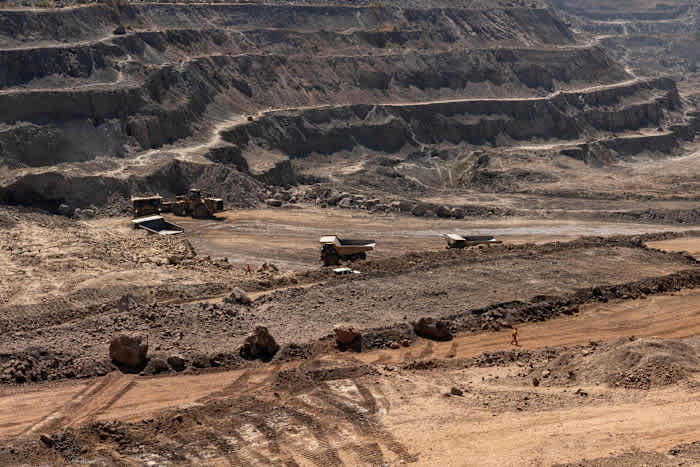
techxplore+1techxploretechxplore+1Between 2,000 and 5,000 metric tons of uranium have been extracted and exported from the Democratic Republic of the Congo over the past two decades without being declared to international nuclear authorities, according to a study published Thursday in Nature Communications.techxplore+1
The research, conducted by nuclear engineers at the University of Wisconsin–Madison and Princeton University, found that the uranium traveled undetected through the DRC's cobalt supply chain — embedded in cobalt-hydroxide shipments destined overwhelmingly for China, which is home to roughly 95 percent of the world's cobalt refineries.spia.princeton+1
The undeclared material — equivalent to roughly 4.4 million to 11 million pounds of natural uranium — could theoretically be used to produce fissile material for 600 to 1,500 nuclear weapons or fuel a standard light-water reactor for 10 to 25 years, according to study co-author Sébastien Philippe, a nuclear security expert and assistant professor at UW–Madison.techxplore
Less than 10 percent of this uranium appears to have been publicly declared and placed under International Atomic Energy Agency safeguards.interestingengineering+1
"Because this uranium is undeclared and not officially reported as being mined and extracted, there are no limits on its end use," Philippe said. "It could end up in a civilian nuclear energy program or in a military program, because nobody is going to ask where this uranium is going. It's not on the books."techxplore
The DRC's Copperbelt is the world's leading source of cobalt, a metal essential to the lithium-ion batteries powering electric vehicles. In this region, uranium naturally co-occurs with cobalt ores. The mineral from which cobalt is extracted is chemically predisposed to binding uranium, meaning that unless deliberately removed, uranium stays with the cobalt through processing and export.nature+1
The researchers used countrywide mineralization data, mine-level trade records, and chemical models of cobalt processing to quantify the uranium flows. The project combined scientific research with investigative journalism, in collaboration with Lighthouse Reports and the Financial Times.techxplore+2
Beyond the security implications, the study estimates that 1,000 to 4,000 metric tons of uranium were discarded into mine tailings in chemically mobile forms, posing environmental and health risks to miners and surrounding communities.spia.princeton+1
Philippe called for an extensive national audit of DRC mining operations, new rules for separating uranium from the cobalt supply chain, and worker radiation monitoring. Ultimately, the researchers argue, preventing uranium exports requires refining cobalt to metal within the DRC itself.techxplore


