Newsletter Subscribe
Enter your email address below and subscribe to our newsletter
[forminator_form id="25163"]

All voices matter
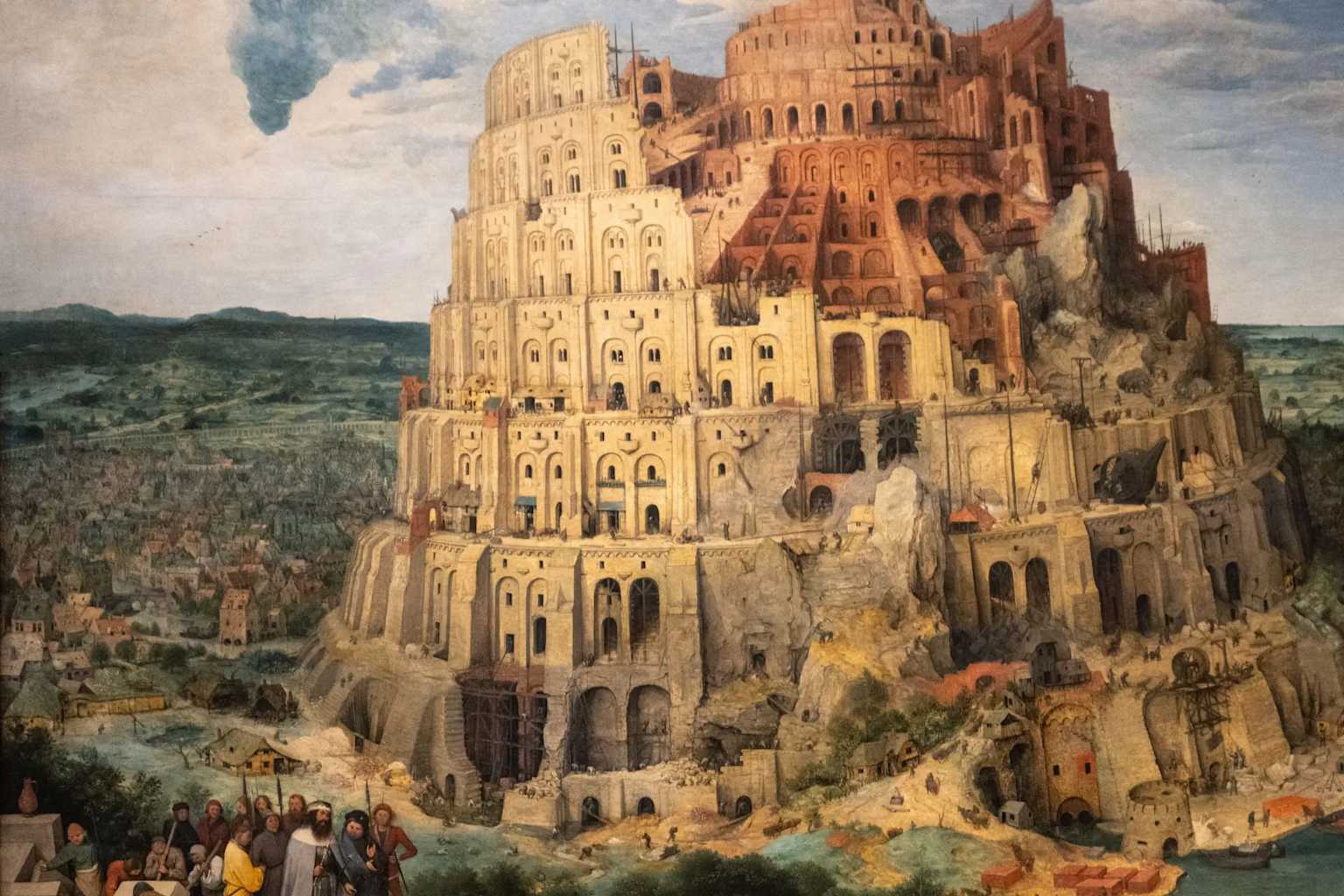
sciencenews+1eurekalert+1caliber+1The world's linguistic diversity peaked between 1,000 and 3,000 years ago, when tens of thousands of languages may have been spoken across the globe — far exceeding the roughly 7,500 languages in use today — according to a study published Wednesday in the journal Science.eurekalert+1
An international team of researchers from the United States, Spain, and Germany reconstructed plausible trajectories of global language diversity over the past 12,000 years. Their modeling suggests that before agriculture took hold, approximately 4,500 to 6,200 languages existed among a global population of just a few million people. As populations grew, so did the number of languages, increasing as much as tenfold before entering a steep decline.sciencenews+2
"At the start of our modeling 12,000 years ago, we have roughly 5,000 languages to 6 million people. At the end point, we have 7,500 languages for 8 billion people," said Claire Bowern, a Yale University linguist and co-author of the paper.sciencenews
The study, co-authored by Bowern along with Damian Blasi, Marcus Hamilton, and Russell Gray, found that the collapse in linguistic diversity began not with modern European colonialism, as commonly assumed, but with the earlier expansion of large states and empires such as Rome and Greece. The findings indicate that today's language crisis is "the culmination of a long-term process of cultural homogenization driven by the expansion of human population," according to the researchers.eurekalert+3
The languages spoken today represent what the researchers describe as "a small and historically biased sample of past linguistic diversity". Yale News reported that the study, published July 23, frames the surviving languages as the product of historical contingency rather than any inherent durability.news.yale+1
The crisis continues: according to Ethnologue data, roughly 3,200 of the world's languages — about 44 percent — are classified as endangered. Without intervention, researchers have previously estimated that language loss could triple within 40 years, with at least one language disappearing per month.caliber+1
Concerns about the future extend beyond familiar pressures like urbanization and formal education. The World Economic Forum has noted that current AI systems are trained on only about 100 of the world's more than 7,000 languages, raising questions about whether artificial intelligence could accelerate the marginalization of smaller language communities. The study's authors suggest their findings have broad implications for how researchers explain global patterns in language and culture — and for what has already been irretrievably lost.weforum