Newsletter Subscribe
Enter your email address below and subscribe to our newsletter
[forminator_form id="25163"]

All voices matter

indexboxindexboxbiz.chosunThe global shipbuilding orderbook is expanding at its fastest rate since the eve of the 2008 financial crisis, with gross tonnage rising 27% year-on-year, according to data from Clarksons Research. The surge in contracting volumes now tracks levels last seen during the pre-Lehman ordering boom, raising pointed questions about whether the industry is repeating the cycle that preceded the last great shipping downturn.indexbox+1
As of early August, the global orderbook stood at 9,012 ships totaling 405.9 million gross tons, roughly 70–75% above the decade-to-date average of 230–240 million gross tons. The merchant fleet itself reached 117,022 vessels of 1.8 billion gross tons, a more modest 4% annual increase.downundervoices+1
New contracting in the first seven months of 2026 reached 1,947 vessels of 105.7 million gross tons. On its current trajectory, annual ordering is broadly in line with the record 173.7 million gross tons placed in 2007. Greek owners have been the most aggressive buyers of new tonnage this year, followed by Chinese owners, with Singapore a distant third.indexbox
Clarksons Research Clarkson PLC reported that its ClarkSea Index averaged around $40,000 a day in the first half of 2026 — the strongest start to any year on record — and that the combined value of the world fleet and orderbook reached a record $2.4 trillion as of early June.indexbox
The comparison with the pre-crisis era has hung over shipping markets all year. At the Posidonia trade fair in Athens in June, memories of 2008 were a recurring topic among cash-rich owners celebrating strong freight markets and elevated vessel values. Some executives warned that ordering ships at current prices was "statistically wrong" and that the party would eventually end.indexbox
Yet today's market differs in important respects. Banking discipline is tighter, a meaningful share of orders is tied to fleet renewal and emissions regulation, and geopolitical disruptions — including Red Sea routing changes and Strait of Hormuz concerns — are adding tonne-miles and absorbing effective fleet capacity.biz.chosun+1
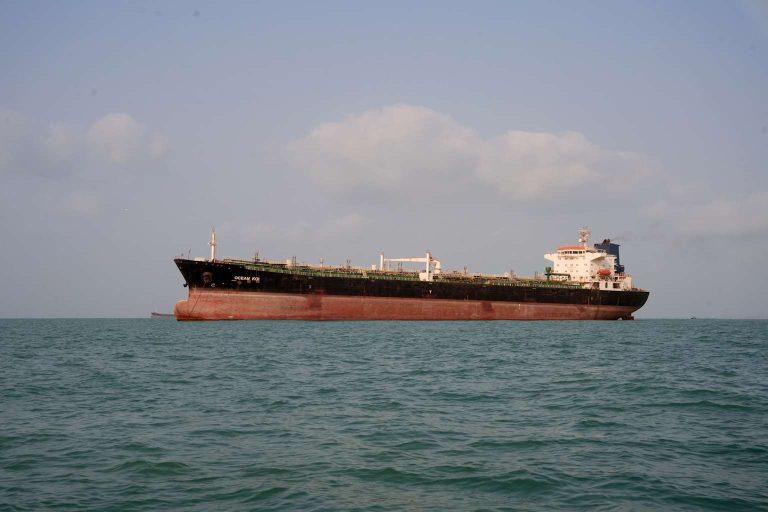
Among those capitalizing on the boom is Daehan Shipbuilding, a mid-sized South Korean yard that has carved out a niche in Suezmax crude oil tankers. The company posted an operating margin of 26.9% in the second quarter of 2026 on revenue of 354.4 billion won, driven by relentless focus on production efficiency.biz.chosun
Daehan now launches one Suezmax every four weeks from its single dock — down from 4.5 weeks earlier this year — after resequencing block installation and advancing pre-outfitting work. Global Suezmax orders surged 218% in the first half of 2026 compared with a year earlier, reaching 70 ships, as longer crude oil sailing routes from the Americas increased vessel demand.biz.chosun
The uncomfortable question for the industry remains: how much of today's demand is structural, and how much disappears when geopolitical detours end?