Newsletter Subscribe
Enter your email address below and subscribe to our newsletter
[forminator_form id="25163"]

All voices matter
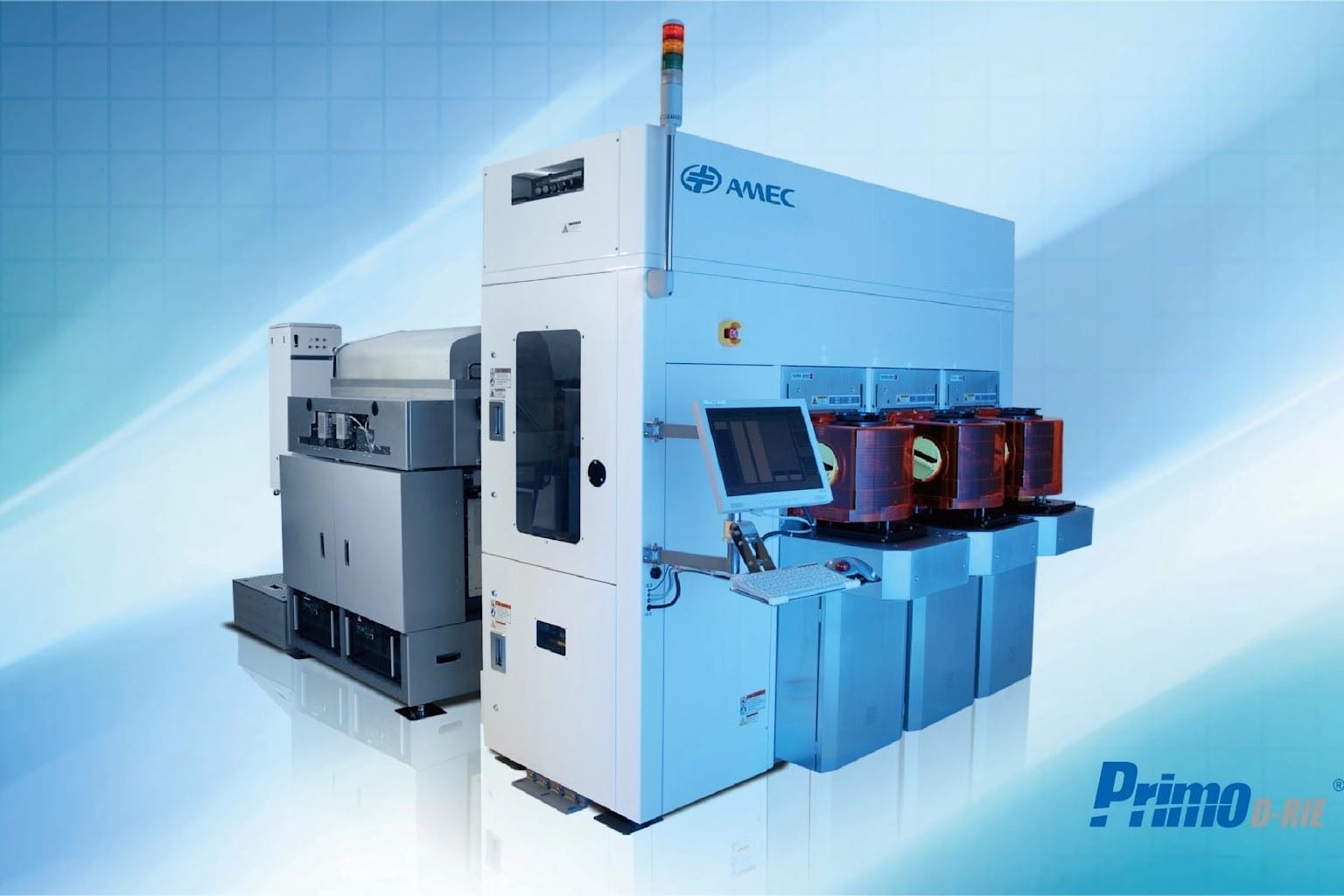
reutersreuters+1reutersSamsung Electronics and SK Hynix are testing plasma etching equipment from Shanghai-based Advanced Micro-Fabrication Equipment (AMEC) at their Chinese factories, Reuters reported on Wednesday, as the South Korean memory chip giants prepare contingency plans against further tightening of U.S. export restrictions.reuters
The evaluations began roughly two years ago, when uncertainty was mounting over whether Washington would continue allowing the companies to import American chipmaking tools into China, according to three people familiar with the matter cited by Reuters. The trials have not yet led to decisions on wider deployment, and Samsung told Reuters in a statement that it has not tested AMEC equipment for use at its China factory and had not considered doing so. SK Hynix declined to comment.reuters
The move highlights what Reuters called "a paradox at the heart of U.S. technology controls": measures designed to constrain Beijing's semiconductor ambitions are creating openings for Chinese equipment makers to gain a foothold in foreign-owned fabs operating in China.reuters
The U.S. Commerce Department granted Samsung and SK Hynix's Chinese plants "validated end user" status in 2023, allowing imports of certain controlled equipment without individual licenses. Washington revoked that authorization in 2025 and later issued annual licenses covering 2026. Both companies now worry that future restrictions could extend to the servicing, repair, or replacement of Western tools already installed at their Chinese plants, prompting them to keep Chinese suppliers in reserve to maintain existing production lines rather than expand capacity.trendforce+2
Samsung operates a NAND flash plant in Xi'an, while SK Hynix runs NAND facilities in Dalian and a DRAM fab in Wuxi — all of which rely heavily on etching tools from U.S. firms including Applied Materials and Lam Research .reuters+1
For AMEC and China's broader crop of semiconductor equipment makers, winning approval from either Korean chipmaker would amount to a powerful commercial endorsement. AMEC's tools are already used by leading Chinese producers including Yangtze Memory Technologies Co., giving the Korean firms greater confidence in their maturity. Chinese tools can cost 20 to 30 percent less than comparable Western equipment, according to Dan Hutcheson, vice chair of research firm TechInsights.thestandard+1
Deutsche Bank estimates that Naura Technology, AMEC, Piotech, and ACM Research will each generate more than $1 billion in revenue in 2026, and together could capture 25 to 30 percent of China's projected $28 billion wafer-fabrication equipment market this year. Excluding lithography and metrology, their share could approach 40 percent.reuters
TrendForce noted that the Korean firms are simultaneously pursuing the opposite strategy outside China — replacing select Chinese-made tools in sensitive production lines with alternatives from South Korea, the U.S., and other regions to comply with shifting geopolitical boundaries.trendforce