Newsletter Subscribe
Enter your email address below and subscribe to our newsletter

All voices matter
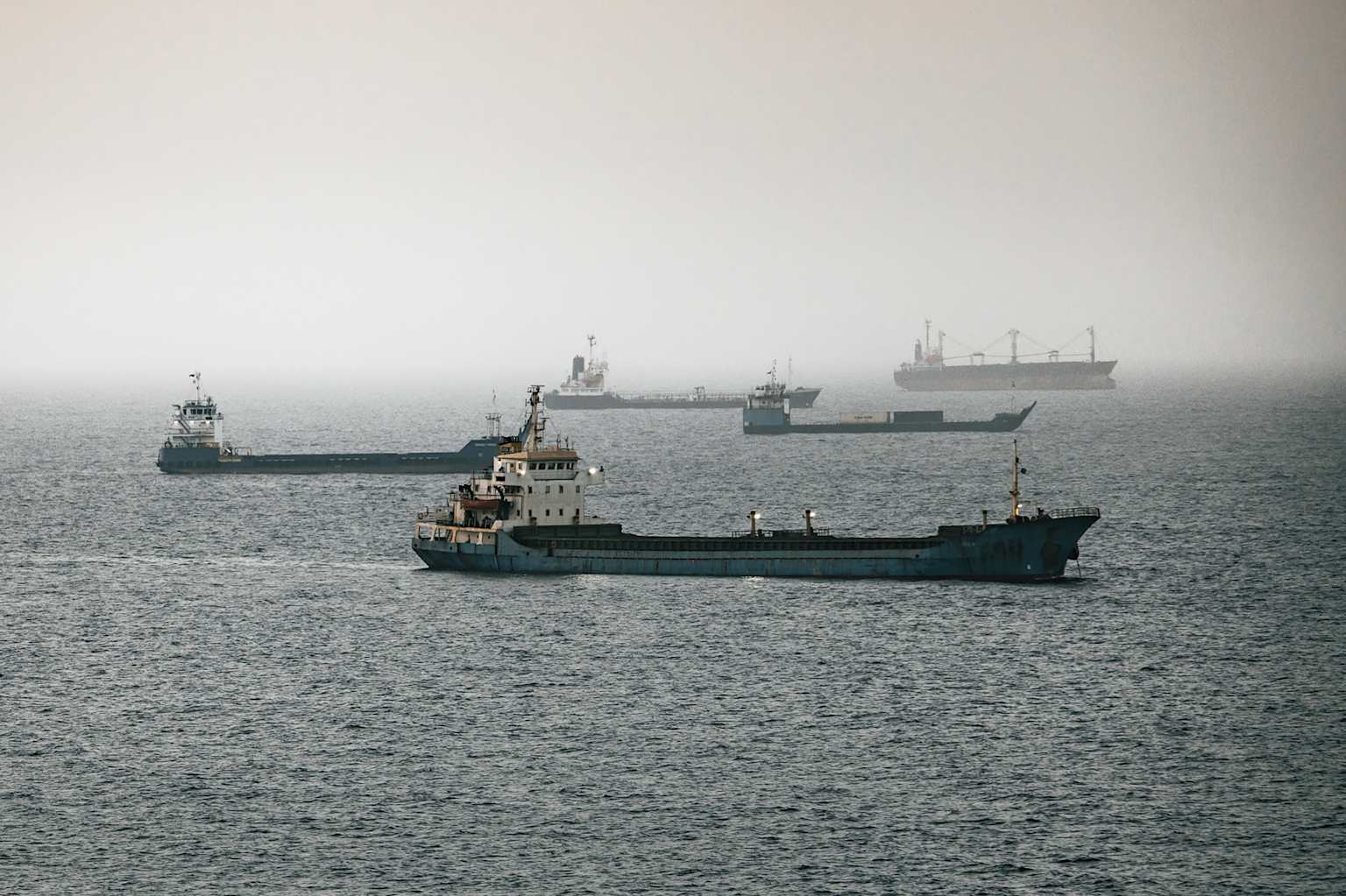
wsjnypost+1al-monitor+1Oman and Iran are pursuing diplomatic channels to restore safe navigation through the Strait of Hormuz, even as the waterway remains largely shut down amid a fresh round of U.S.-Iran hostilities that have left nearly 6,000 seafarers stranded in the Gulf.
The two countries, which share sovereignty over the strait's territorial waters, agreed in late June to establish a joint working group to discuss future governance of the waterway, including shipping fees, route modifications, and security guarantees. Iran's deputy foreign minister Kazem Gharibabadi said at the time that talks would begin the following week to discuss "arrangements for the strait, including the collection of fees from vessels and modifications to current shipping routes".reuters+1
The diplomatic track is rooted in Paragraph 5 of the U.S.-Iran memorandum of understanding signed on June 17, which stipulates that Iran will take steps to restore maritime traffic and "collaborate with Oman to determine future management" of the strait. However, hard-liners in Tehran have leveraged the clause to assert sole Iranian authority over the passage, according to The Wall Street Journal News Corp .wsj
Iran's parliamentary National Security and Foreign Policy Committee approved a broader Hormuz management plan in late March that includes imposing rial-denominated tolls on transiting vessels and banning ships linked to the United States and Israel. The bill has not become law, as it still requires a full parliamentary vote, Guardian Council review, and presidential signature.facebook+1
The diplomatic effort faces a hostile backdrop. On July 7, the United States launched strikes against Iranian military positions along the strait after Tehran attacked three commercial vessels attempting to transit the waterway, according to the Associated Press. President Trump declared the following day that the ceasefire was "over," though he left open the possibility of further talks.nypost+2
Maritime traffic through the strait has dropped to a trickle, with only about 48 ships crossing on July 8 compared to pre-war averages several times higher. The International Maritime Organization's Secretary-General Arsenio Dominguez urged "flag States, shipowners, operators and all relevant authorities to avoid exposing seafarers to unnecessary danger by transiting the Strait" until safety conditions can be assured.al-monitor+2
Oman has proposed a framework involving voluntary fees for maritime services, while Iran insists payments would be mandatory. U.S. Secretary of State Marco Rubio rejected any scenario that would "monetize" the strait, stating during a visit to Bahrain that "we need to return to the conditions of the straits before this conflict".nytimes+1
The standoff over fees remains one of the central obstacles to a broader peace deal. Analysts note that Iran is working to maintain the strait as leverage in future disputes, while the United States and Gulf allies oppose any arrangement that grants Tehran dominance over what carries a substantial share of the world's oil supply.facebook+1