


Newsletter Subscribe
Enter your email address below and subscribe to our newsletter
[forminator_form id="25163"]

All voices matter
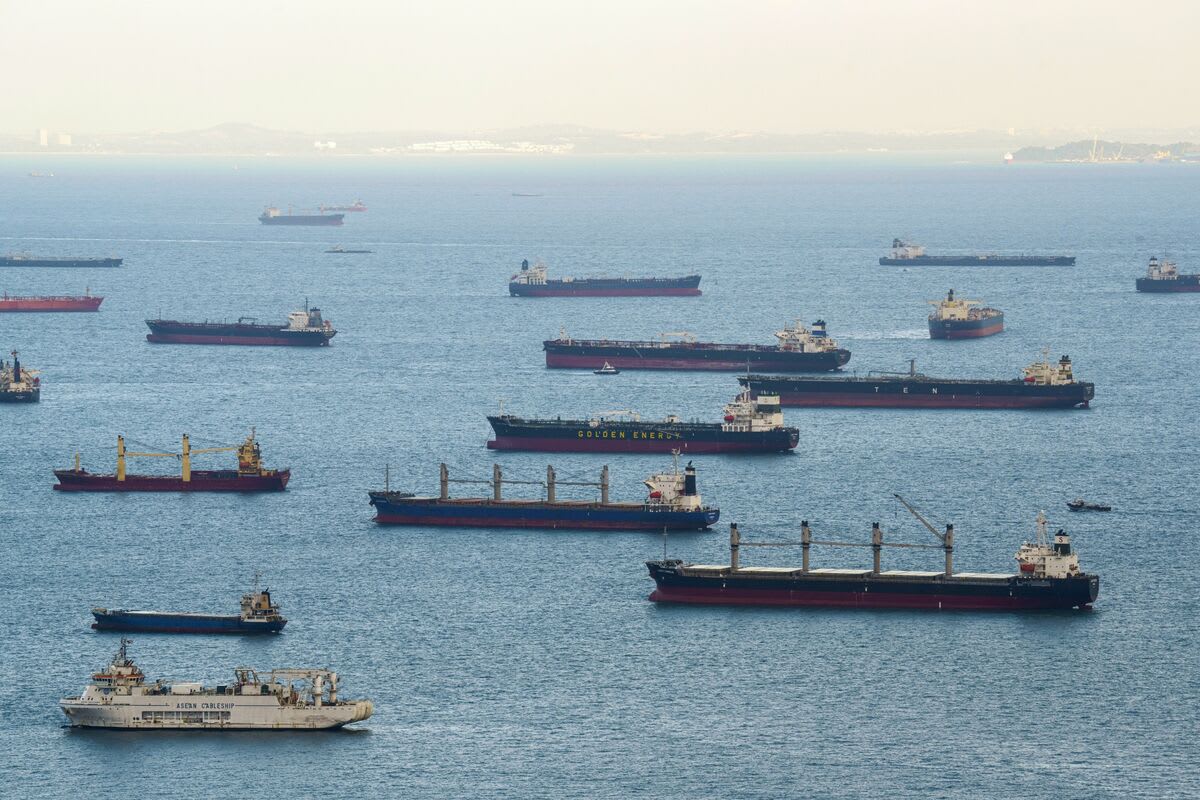
bloombergwikipedia+1ogj+1Global oil markets are entering the busiest week on Asia's energy calendar under conditions few in the industry anticipated a year ago. Conflict-weary traders, anxious buyers, and executives are converging on Singapore for the 42nd Asia Pacific Petroleum Conference, hosted by S&P Global Energy from September 7 through 10, with the fallout from the US-Iran conflict and the Russia-Ukraine war dominating the agenda.theedgemarkets+1
More than six months after the US-Iran conflict erupted, Brent crude is threatening to climb back above $100 a barrel, fresh vessel attacks in the Strait of Hormuz are jeopardizing a recovery in shipping flows, and diesel markets face extreme tightness. On September 2, two oil tankers were struck by Iranian forces while navigating the strait, underscoring the persistent danger.wikipedia+1
"Conversations will no doubt centre around the lack of inventory buffers, 'unsolvable' diesel markets, Hormuz transits, and the Middle Eastern and Russia-Ukraine conflicts," said Amrita Sen, founder of Energy Aspects Ltd, who will attend the conference. Russia's ban on diesel exports, imposed in July, has compounded the tightness, sending US diesel futures surging and pushing the nationwide retail average toward record levels.reuters+2
Headline speakers at APPEC include Russell Hardy, head of Vitol Group, along with representatives from Middle Eastern producers and Goldman Sachs The Goldman Sachs Group, Inc. . Beyond the main sessions, Persian Gulf suppliers such as Iraq and Saudi Arabia face tough sideline negotiations with long-term Asian customers over cargo cancellations, costly diversions, and arrangements for 2027 supply.theedgemarkets
China's role as the world's dominant swing buyer has been central to preventing a sustained price spike above $100. Since May, the country has reduced seaborne crude imports by roughly 5 million barrels per day — about a 45 percent decline — drawing instead on commercial stockpiles estimated at around 1.5 billion barrels. "Had China not demonstrated its ability to be a swing buyer, the market would look very different," said Warren Patterson, head of commodities strategy at ING Groep .ogj+1
The crisis has already reshaped industry structures. The United Arab Emirates quit OPEC in May, and Abu Dhabi National Oil Co. subsequently introduced a new pricing methodology that is altering regional trading dynamics. Sen warned that "this year may well redefine oil-market pricing and relationships between key producers and consumers, with Hormuz flows unlikely to ever get back to pre-conflict levels".reuters+1
The stress extends well beyond trading desks. The International Energy Agency projects Southeast Asia's energy import bill will roughly double this year to about $160 billion, while the Asian Development Bank has trimmed its 2026 growth forecast for developing Asia to 4.9 percent. As Patterson noted, "supply from the Middle East is now irrevocably riskier," leaving Asian refiners searching for alternatives even as they continue to depend on Persian Gulf barrels.theedgemarkets+1


