Newsletter Subscribe
Enter your email address below and subscribe to our newsletter
[forminator_form id="25163"]

All voices matter
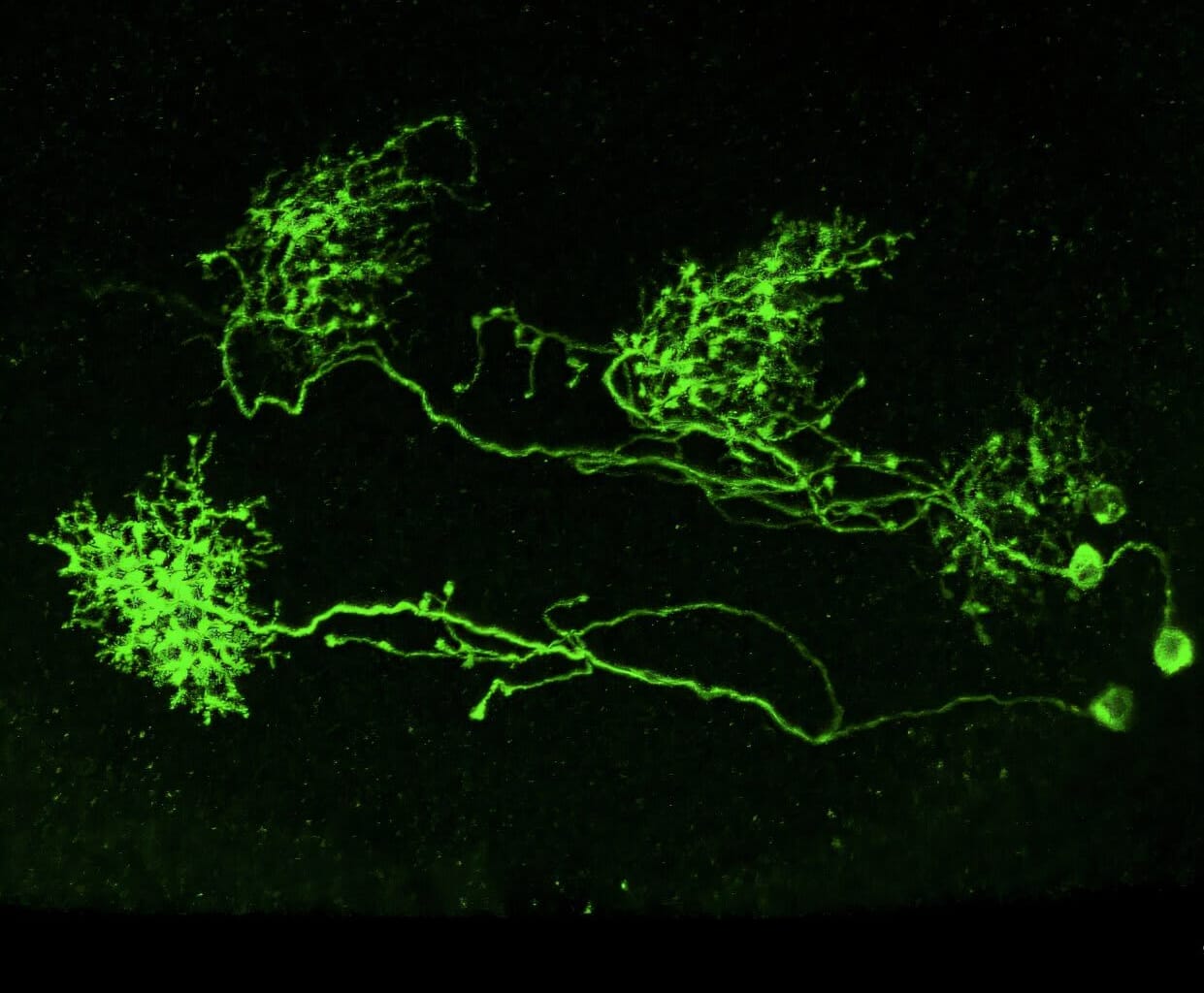
pnas+1medicalxpress+1medicalxpressA newly born neuron does not simply inherit a ready-made identity from the stem cell that produced it. Instead, it constructs that identity during a brief window right after its final cell division, when the regulatory landscape of its DNA undergoes dramatic remodeling. That is the central finding of a study published in the Proceedings of the National Academy of Sciences on August 19, 2026, and highlighted this week by the Stowers Institute for Medical Research.medicalxpress+1
The research, led by Assistant Investigator Neşet Özel, produced the most detailed developmental atlas yet of the fruit fly visual system, tracking 232,251 individual cells across multiple stages of brain development.technologynetworks+1
The team found that many of the DNA switches, known as enhancers, that define a neuron's type were completely closed in the parent stem cell. They opened only after the neuron completed its last division, meaning the neuron was not carrying forward a finished identity program.pnas+1
"The DNA landscape is dramatically remodeled in the first hours of a neuron's life," Özel said. "That tells us identity isn't simply copied from the stem cell. In an important sense, it is computed during a specific critical period."technologynetworks
Even when the same regulatory protein appeared in both a stem cell and its neuronal descendant, the study showed it could be activated through entirely different DNA switches before and after division. "That same protein would be doing something else entirely in the progenitor, and the genome will not respond to it in the same way it responds to it in the neuron," Özel said.medicalxpress
Rather than a single master regulator dictating cell fate, the atlas revealed that each neuron type uses its own combination of regulatory inputs. The same transcription factor could control largely different sets of genes depending on the neuron, and the same gene could respond to different transcription factors through different enhancers.pnas+1
"Instead, almost every neuron type had its own wiring," said McKenzie Treese, first author of the study and a Computational Biology Scholar in the Özel Lab.medicalxpress
The collection of accessible switches in a given cell was so specific it could function almost like a fingerprint of neuronal identity.technologynetworks
The findings carry weight for efforts to treat neurological conditions such as Parkinson's disease, ALS, and glaucoma, all of which involve the loss of specific neuron types. Generating replacements requires knowing not just which genes define a neuron but how and when those genes are activated.medicalxpress+1
"We are trying to understand how it is written in the genome, and how you could use that information to make the cells medicine needs most," Özel said.technologynetworks