Newsletter Subscribe
Enter your email address below and subscribe to our newsletter
[forminator_form id="25163"]

All voices matter
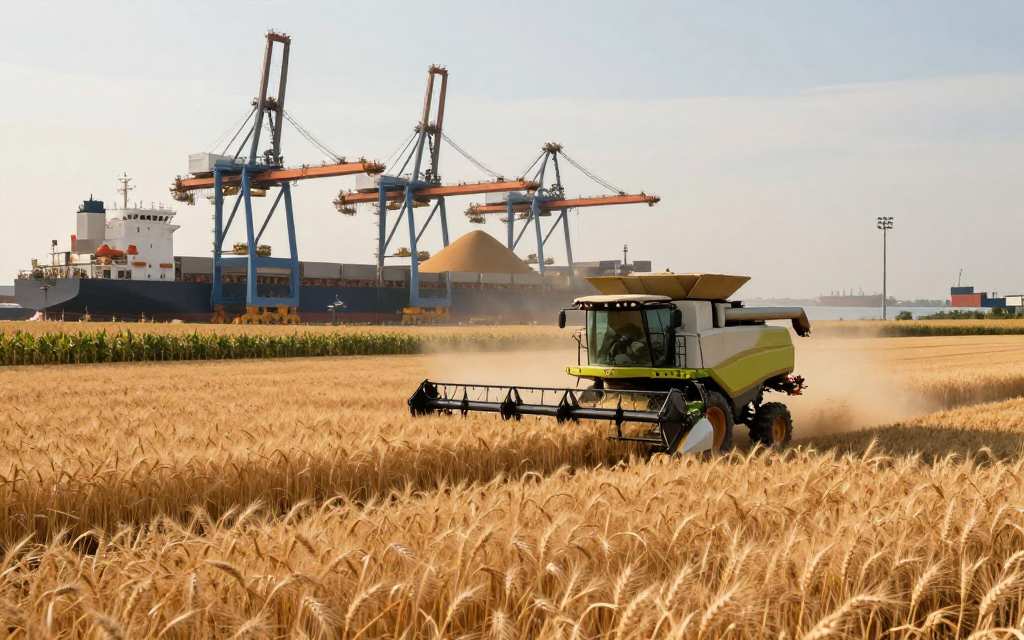
ibtimes+1businesstoday+1stcn+1JPMorgan Chase has warned that global food inflation could climb to around 5% in the first half of 2027, nearly double the 2.8% rate recorded in the first half of 2026, as fertilizer supply disruptions from the Strait of Hormuz, rising energy costs, and a strengthening El Niño threaten crop yields worldwide. The warning, contained in a report titled "Food Security Is National Security: A Compounding Storm" and led by senior global economist Nora Szentivanyi, sent China's A-share agricultural stocks surging on Monday, with seed and grain companies including Qiule Seed, Shennong Seed, and Jinjian Rice hitting limit-up or posting double-digit intraday gains.ibtimes+2
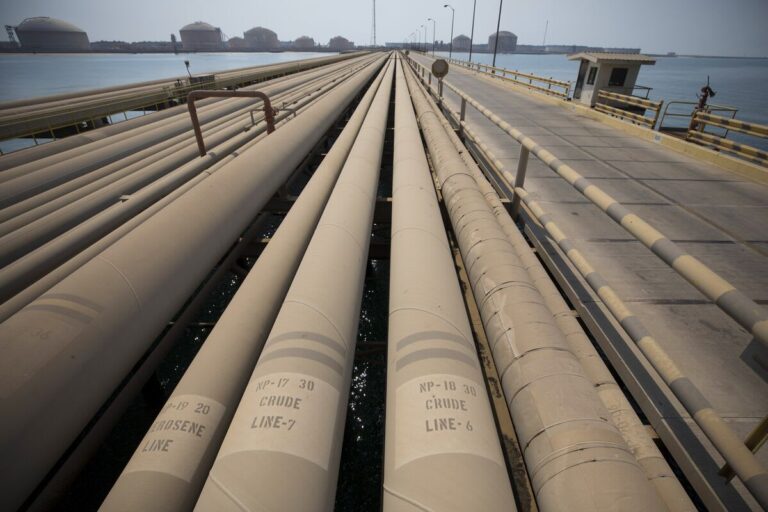
The report traces the pressure to a single weak point: fertilizer. The Middle East accounts for about 42% of global urea exports and 27% of ammonia exports, and disruptions around the Strait of Hormuz since U.S. and Israeli strikes on Iran began in February 2025 have throttled those flows. A United Nations report from August found that combined export volumes through the strait fell 54% between April 2025 and April 2026, with liquefied natural gas recording a 95% contraction.businesstoday+1
JPMorgan estimates that restoring damaged fertilizer production could take one to four years, while natural-gas facility repairs could take three to five years. Because nitrogen fertilizer must be applied at planting, a shortage during one window reduces yields months before the effect reaches shelves, creating what the bank described as a chain reaction from war through energy disruption to higher food prices.ibtimes+1
The second driver is weather. The National Oceanic and Atmospheric Administration upgraded its alert to an El Niño Advisory in June and now puts the odds of a very strong event this autumn and winter above 90%. JPMorgan economists assigned an 81% probability that the current El Niño develops into a "super" event by the end of 2026, with a 97% chance that El Niño conditions persist into 2027.ibtimes+1
A super El Niño alone could raise global food inflation by about 0.7 percentage points, according to the bank. Combined with higher energy prices, the impact could reach 1.3 to 1.5 percentage points. JPMorgan identified India, Brazil, and Indonesia as particularly exposed due to their agricultural dependence, fertilizer import requirements, and vulnerability to El Niño weather shifts.businesstoday+1
The warning triggered a broad rally in China's agricultural sector on Monday. The grain and food-security concept index rose more than 4% in early trading, with Jinjian Rice hitting its daily limit, and seed stocks including Qiule Seed and Shennong Seed surging. Chinese financial outlets linked the move directly to JPMorgan's report and the rising probability of a super El Niño.stcn+3
JPMorgan noted some buffers remain, including adequate global grain inventories and relatively healthy rice stocks in Asia. The UN's Food and Agriculture Organization has separately warned that a severe global food price crisis could emerge within six to 12 months if the Hormuz route stays blocked. The ultimate impact, the bank said, will depend on the strength and duration of El Niño, the recovery of fertilizer production, and the evolution of the Iran conflict.fao+2