Newsletter Subscribe
Enter your email address below and subscribe to our newsletter
[forminator_form id="25163"]

All voices matter
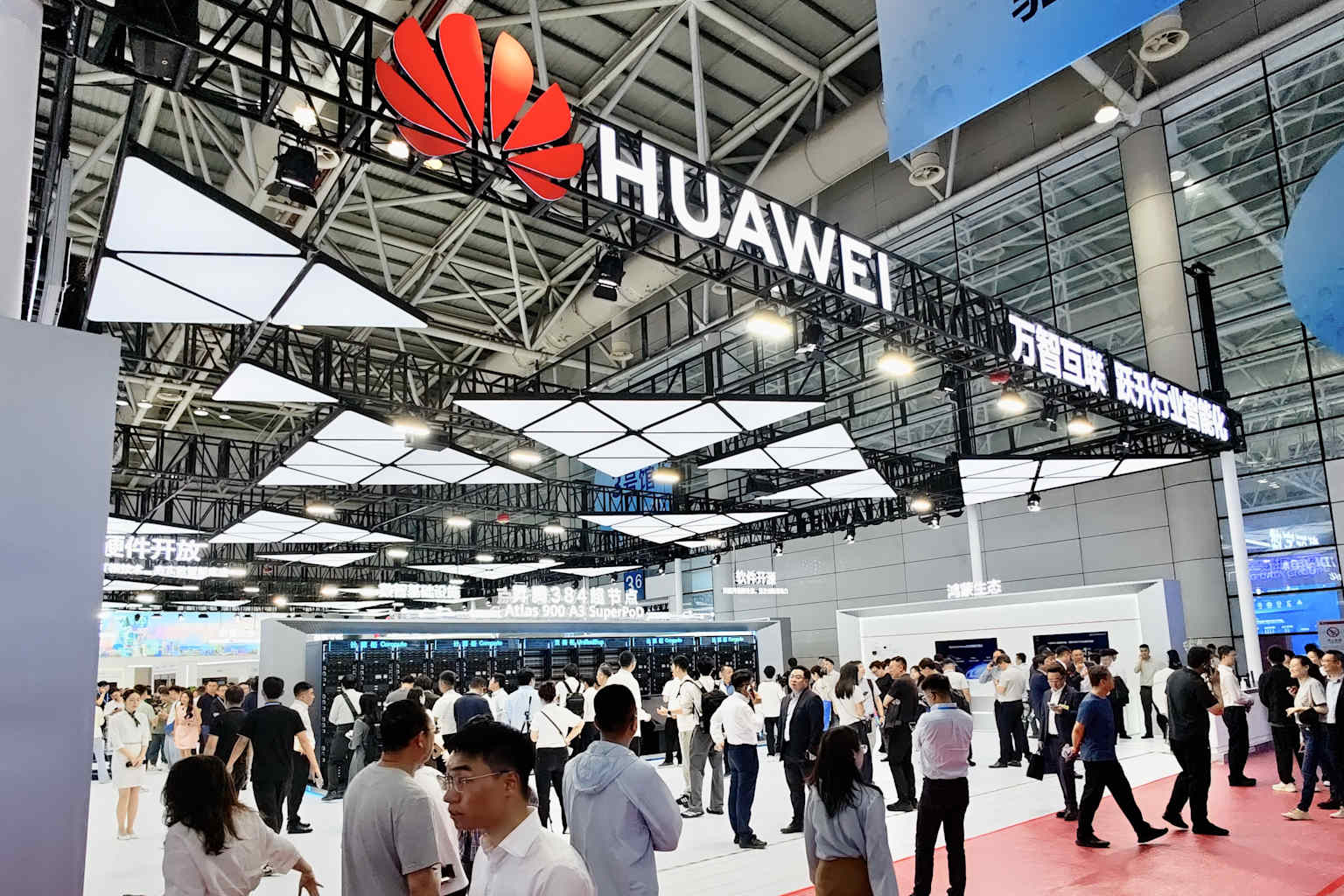
bloomberg+1businesstimesbusinesstimesHuawei Technologies is set to unveil its next-generation Ascend 960 AI chip at its annual Huawei Connect summit in Shanghai on Thursday, September 17, marking China's most ambitious effort yet to rival Nvidia in the AI semiconductor race.businesstimes+1
Rotating chairman Wang Tao will present the Ascend 960 at the three-day conference, with commercial availability expected in 2027. The chip will succeed Huawei's current Ascend 950 family of accelerators and is part of a three-year roadmap first announced at last year's Connect event, which also includes an Ascend 970 planned for 2028. Each generation is designed to double the computing power of its predecessor.huaweicentral+2
Huawei's supervisory board chairman Guo Ping told employees earlier this month that the company views AI as its "biggest opportunity" and wants its computing infrastructure to become China's equivalent of Nvidia. "We are closing the gap by innovating chip architectures," Guo said at an internal meeting, drawing a comparison to Apple and its approach to processor design through "architecture redesigns and software optimisation".businesstimes+1
The unveiling comes as US export controls continue to block Huawei from advanced AI memory products made by SK Hynix , Samsung Electronics, and Micron Technology . Nvidia's most advanced Blackwell processors remain unavailable in China through official channels, though some still enter the country through smuggling in limited quantities.businesstimes
Despite Huawei's progress, its chips still trail Nvidia's top offerings. Frontier Chinese AI labs like DeepSeek continue to rely on Nvidia hardware for training their most demanding models, using domestic semiconductors primarily for inference workloads. DeepSeek is planning to deploy at least 160,000 Huawei Ascend 950DT chips at a data center under construction in Inner Mongolia.businesstimes
Huawei has responded with system-level innovations, including a LogicFolding technique and a SuperPod structure that can link up to 100,000 Ascend chips in a single cluster using its UnifiedBus networking protocol. Morgan Stanley analyst Charlie Chan noted in a recent report that "the effective gap is narrowing through multi-die design, advanced packaging, rack-scale system architecture, optical networking, and software-hardware co-optimisation".businesstimes
Separately, Huawei released its "Intelligent World 2035" report on Wednesday, forecasting that autonomous AI agents will account for more than 90% of global AI token traffic by 2035, with as many as 900 billion agents operating worldwide, according to Reuters. The report calls for massive increases in computing power and new security systems, but notably makes no call to slow AI development, a stance that contrasts with growing caution among some US researchers and executives over rogue agent risks.wtvbam