Newsletter Subscribe
Enter your email address below and subscribe to our newsletter
[forminator_form id="25163"]

All voices matter
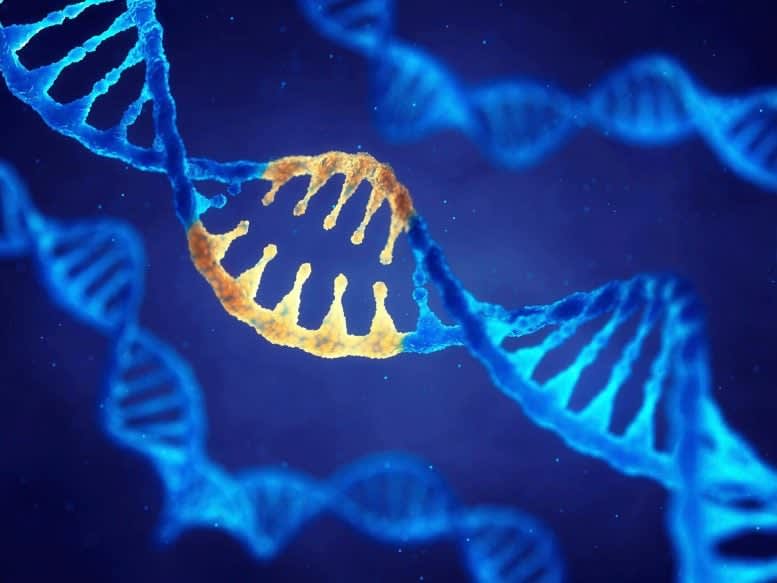
news-medical+1news-medical+1news-medicalA new genome engineering method called prime assembly now allows researchers to stitch long DNA fragments into precise, programmable locations within living human cells, a development that could open the door to universal gene therapies applicable across many patients. The technique was described in a paper published Wednesday in Nature.phys+1
Prime assembly builds on the earlier technique of prime editing, which enables small insertions, deletions, and base swaps but struggles with larger genetic changes. The new method uses CRISPR-targeted dual flap synthesis to write new DNA flaps into specific genomic locations. Those flaps act as tethers that grab onto DNA fragments with matching ends, allowing one or more gene-sized pieces to be permanently integrated into the genome.news-medical+1
Unlike homology-directed repair, prime assembly works in both dividing and non-dividing cells and does not rely on DNA double-strand breaks or double-strand donors — both of which can be toxic and cause unwanted cellular stress. The team demonstrated the method's versatility by performing targeted exon recoding, transgene integration, and megabase-scale rearrangements at therapeutically relevant loci in primary human cells.genengnews+2
"By using prime editing to write in one flap per strand of the genome, the method controls exactly where the DNA replacement starts and ends," said Daniel Bauer, MD, PhD, director of the Gene Therapy Program at Boston Children's Hospital and co-senior author of the paper. "Because the method is based on prime editing, it is much less likely to cause off-target effects compared with other gene-editing methods."phys+1
Because many genetic diseases involve hundreds of different mutations, current gene-editing strategies often require individualized edits for each patient. Prime assembly could instead correct DNA with a single approach capable of fixing almost any mutation in a given gene.phys
The research team is now working to improve delivery of prime assembly components to disease-relevant cells in vivo. "We're working to improve the delivery of the prime assembly components to disease-relevant human cells in vivo, such as hematopoietic stem cells for blood disorder therapies," Bauer said. "We're also exploring a number of applications of prime assembly to deliver genetic payloads as mutation-agnostic therapies to restore gene control for devastating inherited human diseases with unmet clinical need."news-medical+1
The new paper arrives alongside separate prime assembly studies published earlier this year in Nature and Nature Biotechnology, which demonstrated related approaches for large DNA insertion using overlapping flaps and linear DNA donors. Together, these advances mark a rapid expansion in the genome-editing toolbox, moving the field closer to therapies that could treat broad classes of genetic disease rather than requiring bespoke fixes for each patient.nature+1