


Newsletter Subscribe
Enter your email address below and subscribe to our newsletter

All voices matter
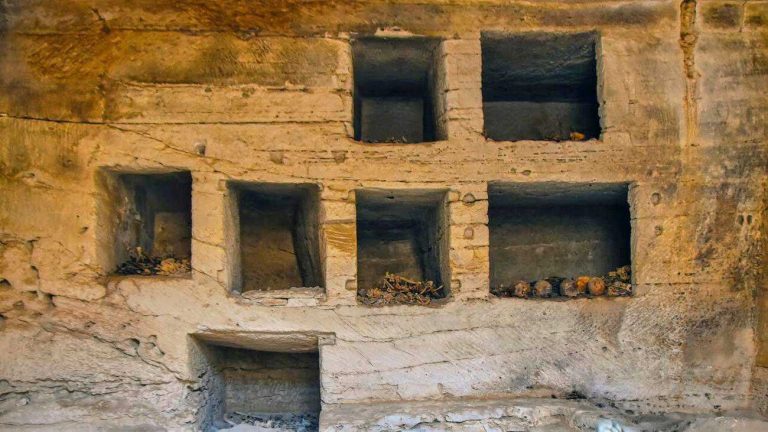
Egypt's Ministry of Tourism and Antiquities announced on Saturday the discovery of 18 previously unknown Greco-Roman tombs at the archaeological site of Marina El Alamein, roughly 100 kilometers west of Alexandria on the Mediterranean coast. The find includes a sealed…

Archaeologists have announced the discovery of a 5,000-year-old timber structure near Bulford, Wiltshire, just five kilometres from Stonehenge, which they believe may have served as an early "prototype" for the iconic stone circle's solstice alignments.
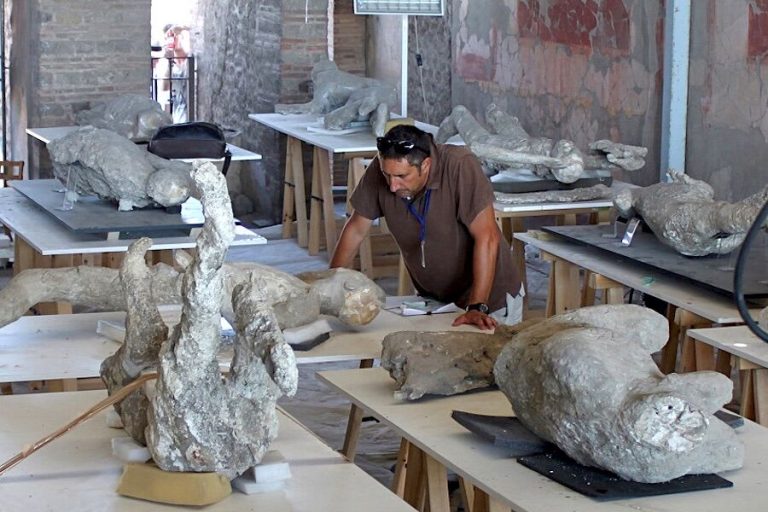
Victims of Mount Vesuvius' catastrophic eruption in 79 CE wore thick woolen tunics and cloaks when they perished, according to new research that has reignited debate over whether the disaster occurred during a scorching August day or during cooler autumn…
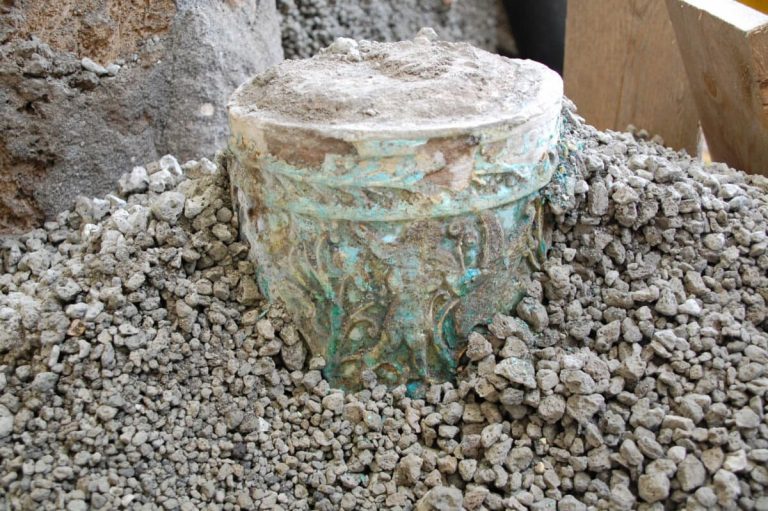
Archaeologists have uncovered a rare Egyptian faience vessel in an unlikely location: the kitchen of an ancient fast-food establishment in Pompeii, revealing the extent of cultural exchange between Egypt and Rome's working classes in the final days before Mount Vesuvius…
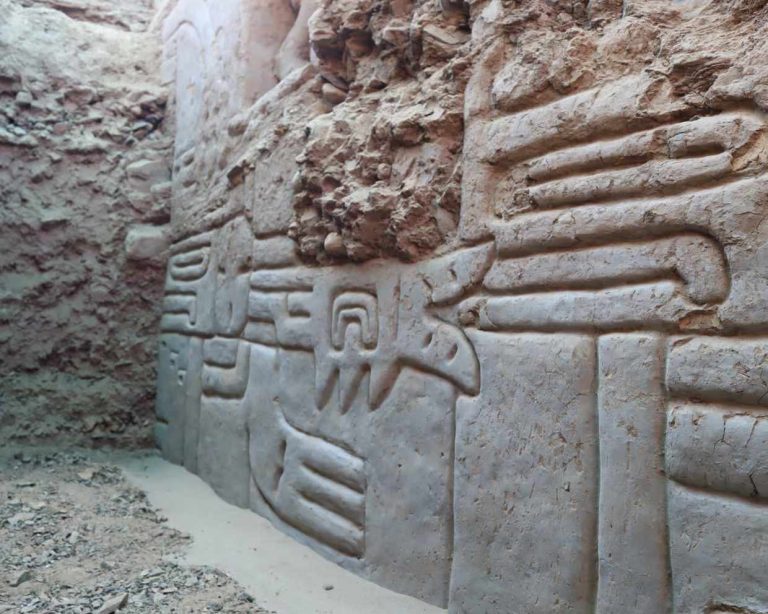
Peruvian archaeologists have uncovered a remarkable 4,000-year-old three-dimensional mural at the Huaca Yolanda site in La Libertad, northern Peru, representing what researchers describe as an "unprecedented discovery" that provides rare insight into the earliest complex societies on South America's Pacific…
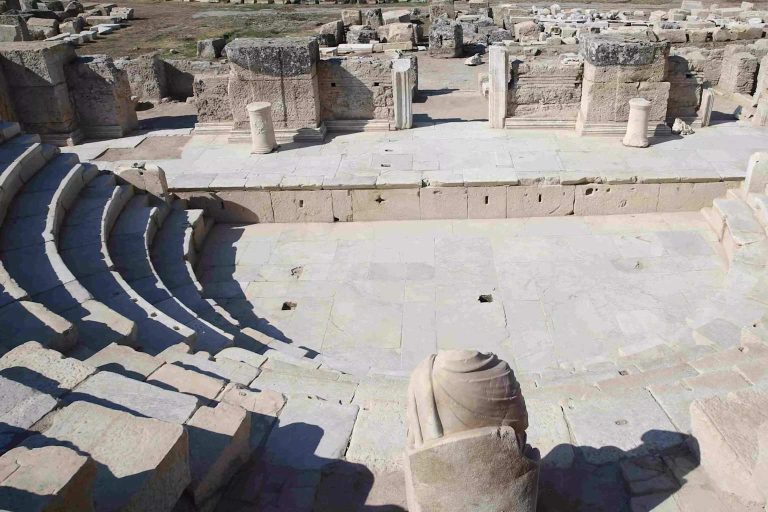
Archaeologists working in the ancient city of Laodicea in southwestern Turkey have uncovered a 2,000-year-old assembly building with extraordinary architectural features that have never been seen before in the region. The remarkable discovery, made during the 2025 excavation season, reveals…

Archaeologists have uncovered new evidence confirming that survivors returned to live among the ruins of Pompeii after Mount Vesuvius buried the ancient Roman city in 79 AD, transforming it into a makeshift camp that persisted for centuries.
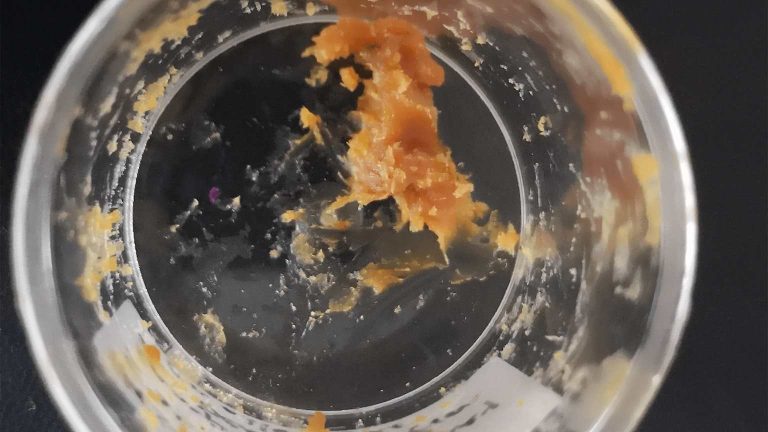
Researchers at the University of Oxford have finally solved a 70-year archaeological mystery by confirming that a sticky orange-brown residue found in bronze jars at an ancient Greek shrine near Pompeii is indeed 2,500-year-old honey, settling decades of scientific debate…

According to a new study from Yale's Ancient Pharmacology Program, Emperor Caligula, infamously known for his cruelty and erratic behavior, also possessed sophisticated knowledge of medicinal plants and pharmacology, particularly hellebore, challenging the one-dimensional view of him as merely a…
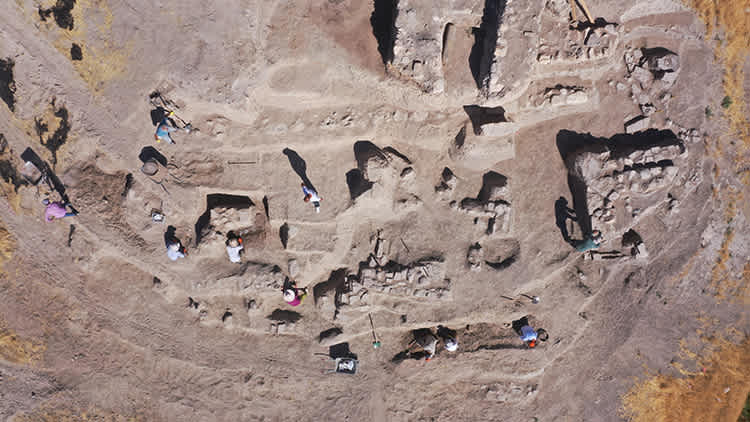
Archaeologists have uncovered a 6,000-year-old temple complex in eastern Turkey's Elazığ Province that features a ritual blood channel containing human and animal remains alongside an altar stone marked with knife cuts, providing rare insight into ancient sacrificial practices from the…