Newsletter Subscribe
Enter your email address below and subscribe to our newsletter
[forminator_form id="25163"]

All voices matter
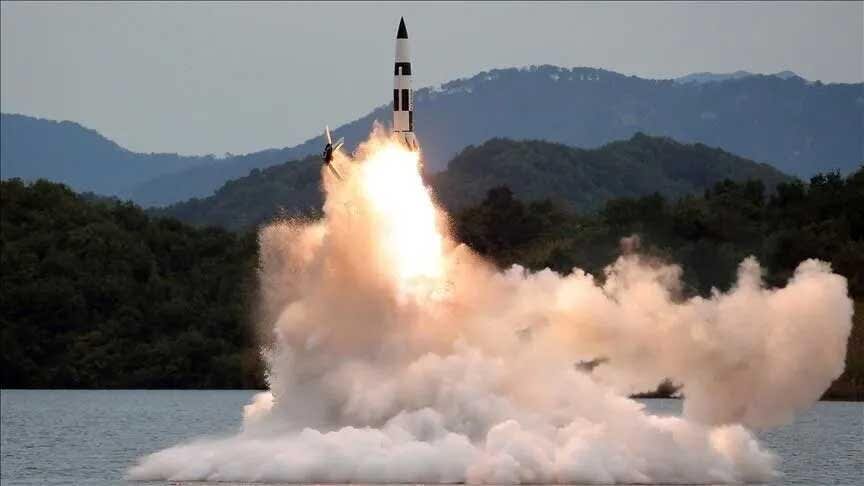
apnewsaljazeera+1cnn+1China's military test-launched a long-range ballistic missile from a nuclear-powered submarine in the South Pacific on Monday, prompting sharp criticism from Australia, New Zealand, and Japan over what they called a destabilizing act in a region governed by a nuclear-free treaty.
The missile was fired at 12:01 p.m. local time and carried a dummy warhead, according to China's official Xinhua News Agency. Beijing described the launch as part of routine annual training that complied with international law and was not directed against any country or target.cbsnews+1
The test marks the first time China has launched a ballistic missile from a submarine into the Pacific, following a September 2024 intercontinental ballistic missile test that was itself the first Chinese missile launch into international waters since 1980. That earlier test was fired from land on Hainan Island; Monday's launch demonstrated a submarine-based capability that analysts say strengthens China's nuclear second-strike deterrence.cnn+3
New Zealand's Foreign Minister Winston Peters said his government was informed only hours before the launch and noted that the missile was fired into the South Pacific Nuclear Free Zone, established by the 1986 Treaty of Rarotonga. China ratified the treaty's protocols in 1987, pledging not to test nuclear weapons within the zone.aljazeera+1
"It appears that despite our long-standing concerns about this type of activity, China carried out the test within hours of informing us," Peters told the Associated Press.cbsnews
Australia's Foreign Minister Penny Wong, speaking in Fiji where she had just signed a new mutual defense treaty with the Pacific island nation, said: "Australia has been clear with China that we regard this as destabilizing to the region". Japan said it had "strongly called for a rethink" after its embassy in Beijing was notified before the event.aljazeera+1
Beijing dismissed the criticism. "We hope that the relevant countries will avoid overinterpretation," a Ministry of Foreign Affairs spokesperson said.cbsnews
China has accelerated its nuclear submarine production in recent years, launching 10 nuclear-powered submarines between 2021 and 2025 — surpassing the seven launched by the United States in the same period, according to a February 2026 report by the International Institute for Strategic Studies. The Pentagon's latest report to Congress estimated China held around 600 nuclear warheads in 2024 and remains on track to field more than 1,000 by 2030. China maintains a fleet of six ballistic-missile submarines and maintains a declared "no first use" nuclear weapons policy.asiatimes+2