Newsletter Subscribe
Enter your email address below and subscribe to our newsletter
[forminator_form id="25163"]

All voices matter
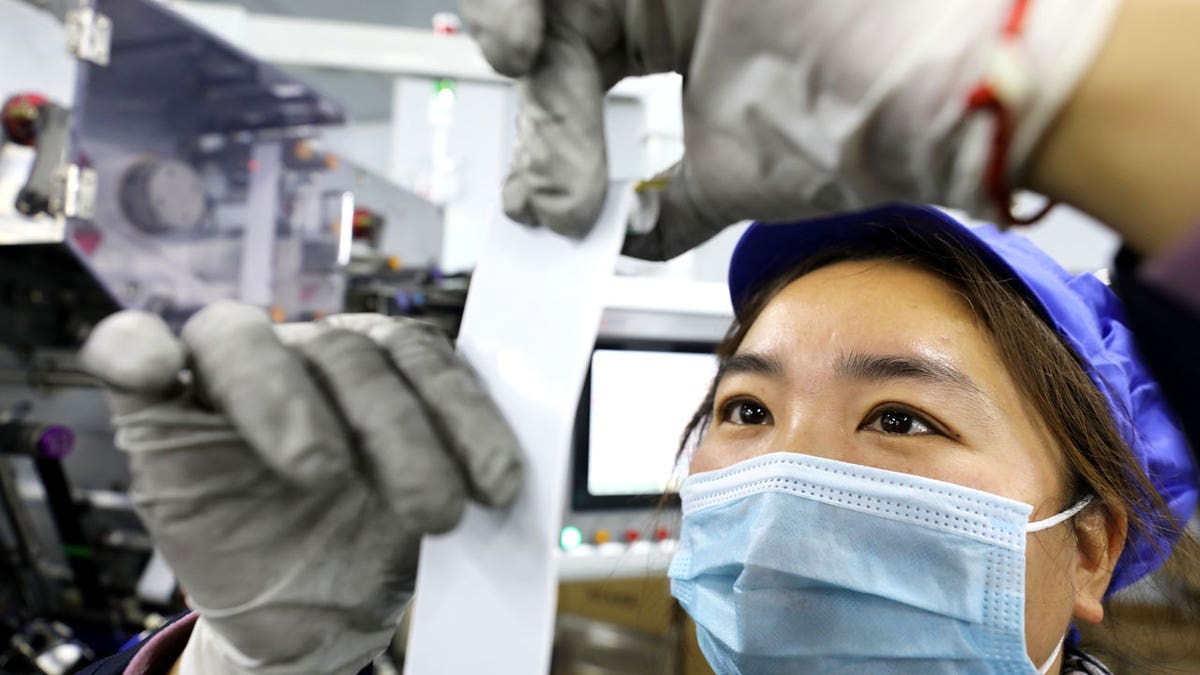
english.news+1cnevpost+1reuters+1China announced on Friday that it will impose a consumption tax on lithium-ion batteries starting September 1, 2026, bringing to a close an 11-year exemption that helped fuel the country's rise to dominance in global battery manufacturing. The policy, however, carves out temporary exemptions for sodium-ion batteries, solid-state batteries, and fuel cells — a clear signal that Beijing is steering the industry toward next-generation technologies.english.news+2
The new rules, issued jointly by China's Ministry of Finance, the General Administration of Customs, and the State Taxation Administration, will apply a 2% consumption tax on lithium-ion batteries, lithium primary batteries, mercury-free primary batteries, nickel-metal hydride batteries, and vanadium redox flow batteries beginning September 1. That rate will double to 4% on September 1, 2027 — matching the standard consumption tax rate that has long applied to lead-acid batteries and other conventional battery products.cnevpost+3
China first introduced its 4% battery consumption tax in February 2015 but exempted seven categories, including lithium-ion and solar cells, to nurture nascent clean energy industries. The latest policy systematically ends that arrangement.theedgemalaysia+1
Solar cells will follow a separate timeline, facing a 2% consumption tax from April 1, 2027, rising to 4% a year later.english.news+1
From September 1, 2026, through December 31, 2028, sodium-ion batteries, solid-state batteries, fuel cells, and advanced photovoltaic technologies such as perovskite and tandem cells will remain exempt from the consumption tax. The exemption period effectively gives these emerging technologies a cost advantage at a moment when Chinese companies including CATL Contemporary Amperex Technology Co., Limited and BYD are investing heavily in solid-state and sodium-ion development.cnevpost+2
The consumption tax announcement follows a separate policy shift earlier this year that reduced VAT export rebates for battery products from 9% to 6% starting April 1, 2026, with full elimination set for January 1, 2027. Together, the measures represent a departure from the subsidy-driven export model that helped Chinese battery makers capture over three-quarters of global lithium-ion cell production. Industry analysts have projected that the cumulative effect could raise battery export costs by 15% to 23% over the course of 2026 and into 2027.linkedin+2
The policy recalibration comes as China grapples with overcapacity in its battery sector, even as demand growth slows.reuters