Newsletter Subscribe
Enter your email address below and subscribe to our newsletter
[forminator_form id="25163"]

All voices matter
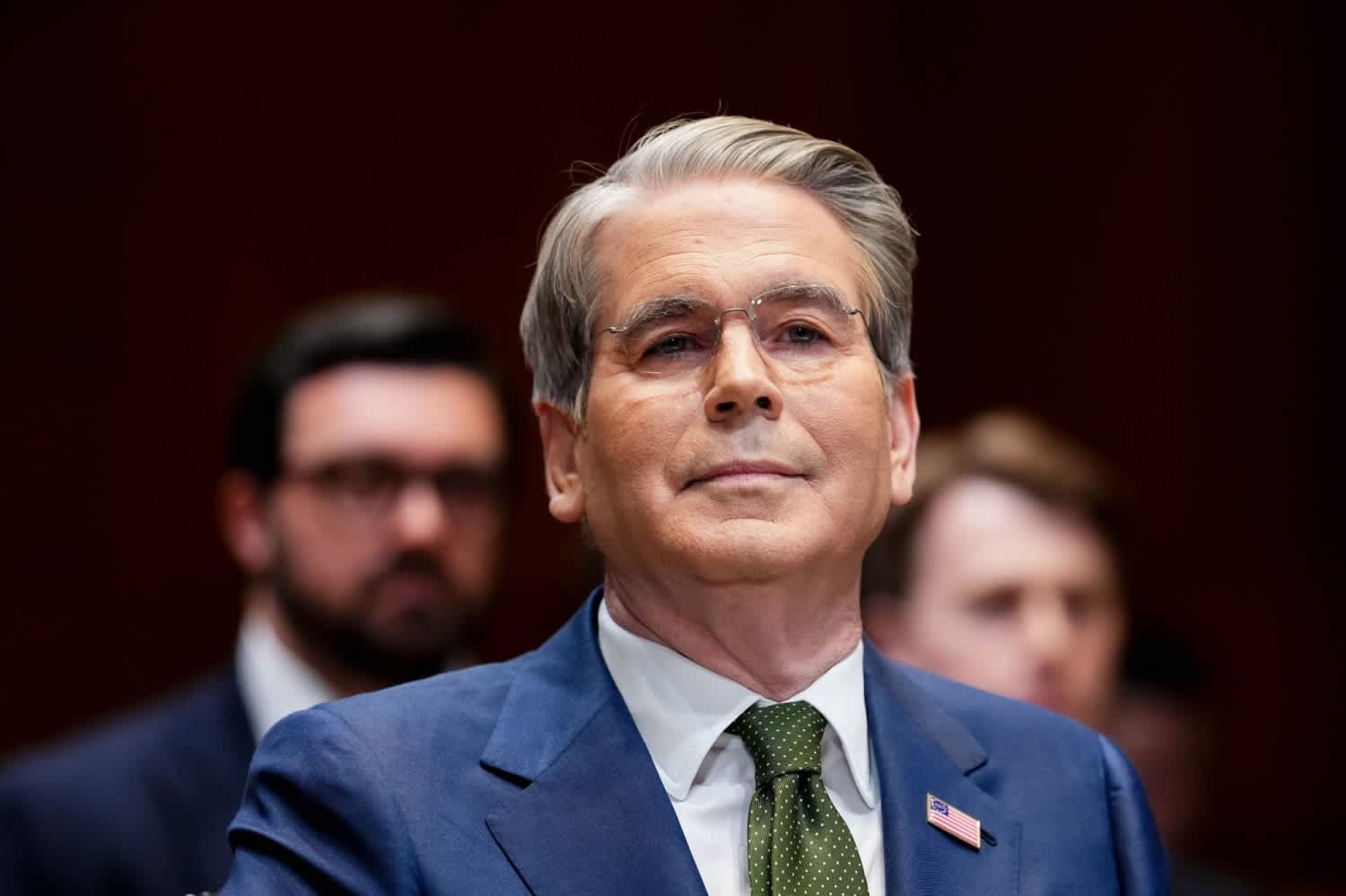
asiaone+1asiaone+1asiaoneA rare coordinated intervention by the United States and Japan to prop up the battered yen has reshaped the currency landscape in Asia, with Washington publicly endorsing faster interest rate increases by the Bank of Japan and signaling willingness to act again if speculators push the currency lower.
The joint intervention on July 31 followed months of behind-the-scenes diplomacy between Japanese Finance Minister Satsuki Katayama and US Treasury Secretary Scott Bessent, who held roughly 10 meetings including a three-and-a-half-hour session in May, according to Reuters. Japan's top currency diplomat Atsushi Mimura gave the green light for yen-buying late on July 30, moving the USD/JPY pair from around 162.80 to 157.80 within hours. The following day, the US Treasury joined the effort after informing banks through the Federal Reserve Bank of New York that they should "stand ready for future action".asiaone+2
Japan alone spent an estimated $52.8 billion on July 30 — likely a single-day record — followed by an estimated $34 billion the next day when Washington participated, according to Bloomberg data cited by Fortune and figures reported by the Straits Times.straitstimes+1
Bessent was photographed at a Friday cabinet meeting with a notepad reading "To Do" followed by "Buy Japanese Yen (JPY) $5-10 bil," a Reuters photo showed. On Sunday, he posted on X: "We strongly support Japan's decisive market and monetary steps to correct the substantial undervaluation of the yen," repeating his calls for higher BOJ rates. On Tuesday, he told CNBC that "a stable yen is not only important for the US, but very important for the entire region".instagram+1
For the US, a weak yen blunts the trade advantage of President Donald Trump's tariffs while Japanese selling of US Treasuries to fund intervention risks pushing up American borrowing costs already under pressure from inflation linked to the Iran conflict.straitstimes
BOJ Governor Kazuo Ueda emphasized the need for vigilance "more than ever" against upside price risks in what analysts read as all but confirming a September rate hike. The BOJ raised rates in June to a 31-year high of one percent, but with real borrowing costs still deeply negative, the move failed to provide lasting yen support.asiaone+1
Market participants now view the BOJ's September 17–18 meeting as live. "Intervention only has a temporary effect in slowing currency moves. Faster rate hikes are probably needed to put a lasting floor on the yen," said Naomi Muguruma, chief bond strategist at Mitsubishi UFJ Morgan Stanley Securities . "I feel like a September rate hike is a done deal".asiaone
Bessent is set to meet Ueda at a US-hosted G20 finance leaders' meeting in late August — just weeks before that decision.asiaone