Newsletter Subscribe
Enter your email address below and subscribe to our newsletter
[forminator_form id="25163"]

All voices matter
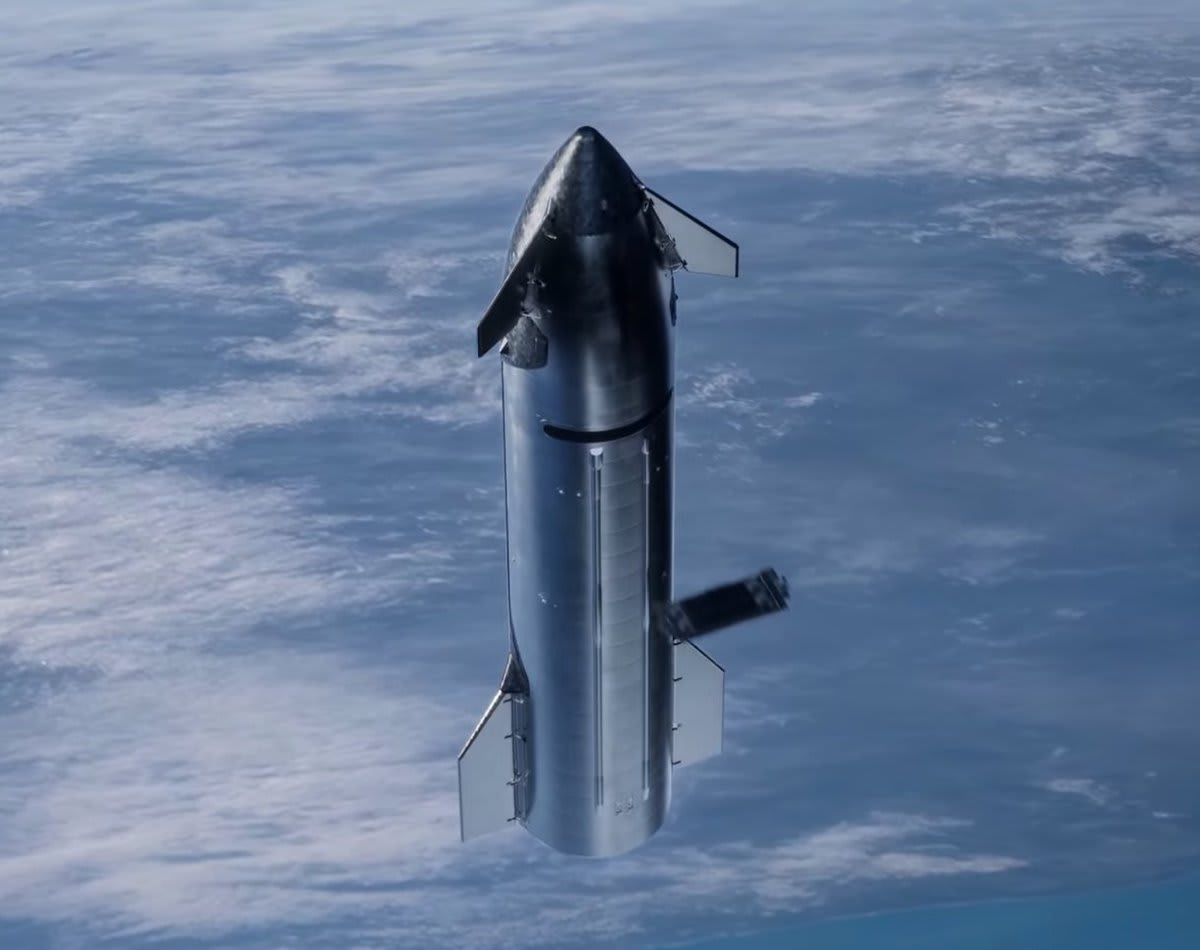
spacex+1indiatoday+1reutersSpaceX is set to launch its 13th Starship test flight on Thursday, July 16, carrying operational payloads for the first time, while a newly announced deal with Japanese lunar company ispace signals growing commercial demand for the rocket's Moon-landing capabilities.
SpaceX confirmed that the 90-minute launch window for Flight 13 will open at 5:45 p.m. CT on July 16 from Starbase, Texas. The mission will mark the first deployment of 20 next-generation Starlink V3 satellites, which the company says will add 60 terabits per second of capacity to its internet constellation per launch — more than 20 times what a single Falcon 9 mission delivers. The upper stage will also relight a single Raptor engine in space and attempt a controlled splashdown in the Indian Ocean, while the Super Heavy booster will attempt a landing at sea.wikipedia+3
The flight follows a successful static fire of all 33 Raptor engines on Booster 20, completed on July 9. Flight 13 will be the second launch of the Starship V3 configuration, which debuted on May 22 during Flight 12 — the first flight from SpaceX's new second launch pad at Starbase.space+2
Separately, Tokyo-based ispace announced on July 8 that it has purchased 500 kilograms of payload capacity on a SpaceX Starship lunar lander mission for approximately $50 million, with delivery targeted no earlier than 2030. The deal, disclosed at the Spacetide conference in Tokyo, represents one of the first concrete commercial bookings on Starship for a lunar surface mission.spacenews+2
Under the agreement, ispace will develop a Mobile Cargo System — a rover capable of transporting customer payloads up to several kilometers from the Starship lander. The company is positioning itself as a "Lunar Asset Integrator," offering end-to-end services from mission planning and cargo integration through surface operations.spacepolicyonline+1
ispace CEO Takeshi Hakamada described the arrangement as enabling "high-capacity, relatively low cost lunar transport" essential to building a sustainable lunar economy, according to Reuters. At roughly $100,000 per kilogram to the lunar surface, the pricing undercuts what smaller landers can offer at scale.reuters+1
The twin developments underscore how SpaceX is advancing Starship on parallel tracks — rapidly iterating its test flight program while booking paying customers for future missions. NASA relies on a variant of Starship as its human lunar lander under the Artemis program, and ispace's commercial booking suggests private-sector demand is now materializing alongside government contracts.reuters+1