Newsletter Subscribe
Enter your email address below and subscribe to our newsletter
[forminator_form id="25163"]

All voices matter
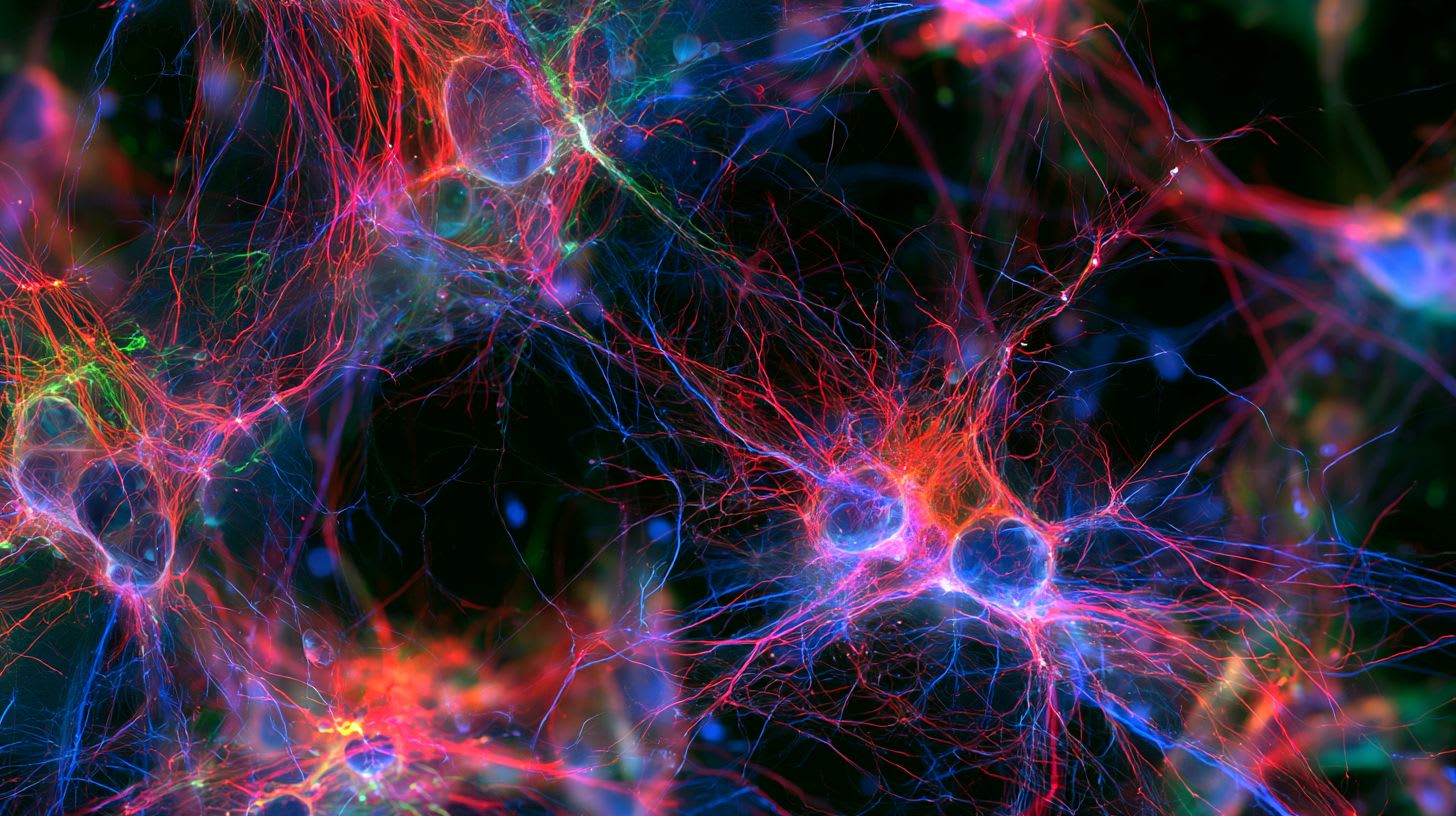
nature.com.uclahealth.org.uclahealth.org.Researchers at UCLA Health have used a modified CRISPR tool to turn up the remaining healthy copy of two autism-linked genes in lab-grown human brain cells. In those models, the treatment reversed some of the cellular effects of the mutations, and it worked only in cells that carried a mutation. The study was published November 13 in Nature Neuroscience. It is an early, lab-only proof of concept, but it points to a way of targeting the biology behind autism rather than its symptoms.nature.com
The team, led by Daniel Geschwind, studied CHD8 and SCN2A. CHD8 helps control other genes involved in brain development, and SCN2A lets neurons fire electrical signals, UCLA Health said. About 15% of autism's genetic risk comes from new, or de novo, mutations, and many of them knock out one of a gene's two copies, so the cell no longer makes enough of the gene's product.uclahealth.org
The researchers did not edit the faulty gene. Instead they aimed CRISPR activation at enhancers, the stretches of DNA that act like dials controlling how strongly a gene is expressed. The goal was to keep the gene's activity in step with normal development and avoid harmful overexpression. The paper reports that a single enhancer-targeted guide RNA paired with dCas9-p300 moderately raised expression of each gene in stem cell-derived neurons and cortical organoids. Depending on the model, that led to partial or complete rescue of the mutant traits.nature.com
In CHD8 organoids, boosting the healthy copy brought organoid size close to normal, helped cells mature and moved gene activity toward typical levels, according to UCLA. In SCN2A neurons, it restored much of their normal electrical activity, though some finer electrical properties returned to normal only in certain cell lines. Healthy cells showed no rise in gene activity, and neighboring genes were not affected. The timing of treatment also mattered.uclahealth.org
"What stands out to us is that the approach acted only in cell lines carrying the mutation and left healthy cell lines alone," said first author George Chen, now an assistant professor of neurology at Children's Hospital Los Angeles, in the UCLA release.newswise.com
The authors stress that all the work was done in lab models and that results varied between cell lines. Before any therapy is possible, they will need better ways to deliver the treatment safely to the brain, and they will have to test whether it still works after the early developmental window, UCLA noted. Because the method depends on a healthy second copy, the team expects it could apply to other neurodevelopmental conditions caused by a single faulty gene copy.uclahealth.org
The study adds to earlier work on the same idea. Separate research in Nature used CRISPR activation to rescue SCN2A-related traits in mice and human neurons.nature.com
"We are still a long way from the clinic," Chen said, "but these findings provide hope and give us a clear direction."