Newsletter Subscribe
Enter your email address below and subscribe to our newsletter
[forminator_form id="25163"]

All voices matter
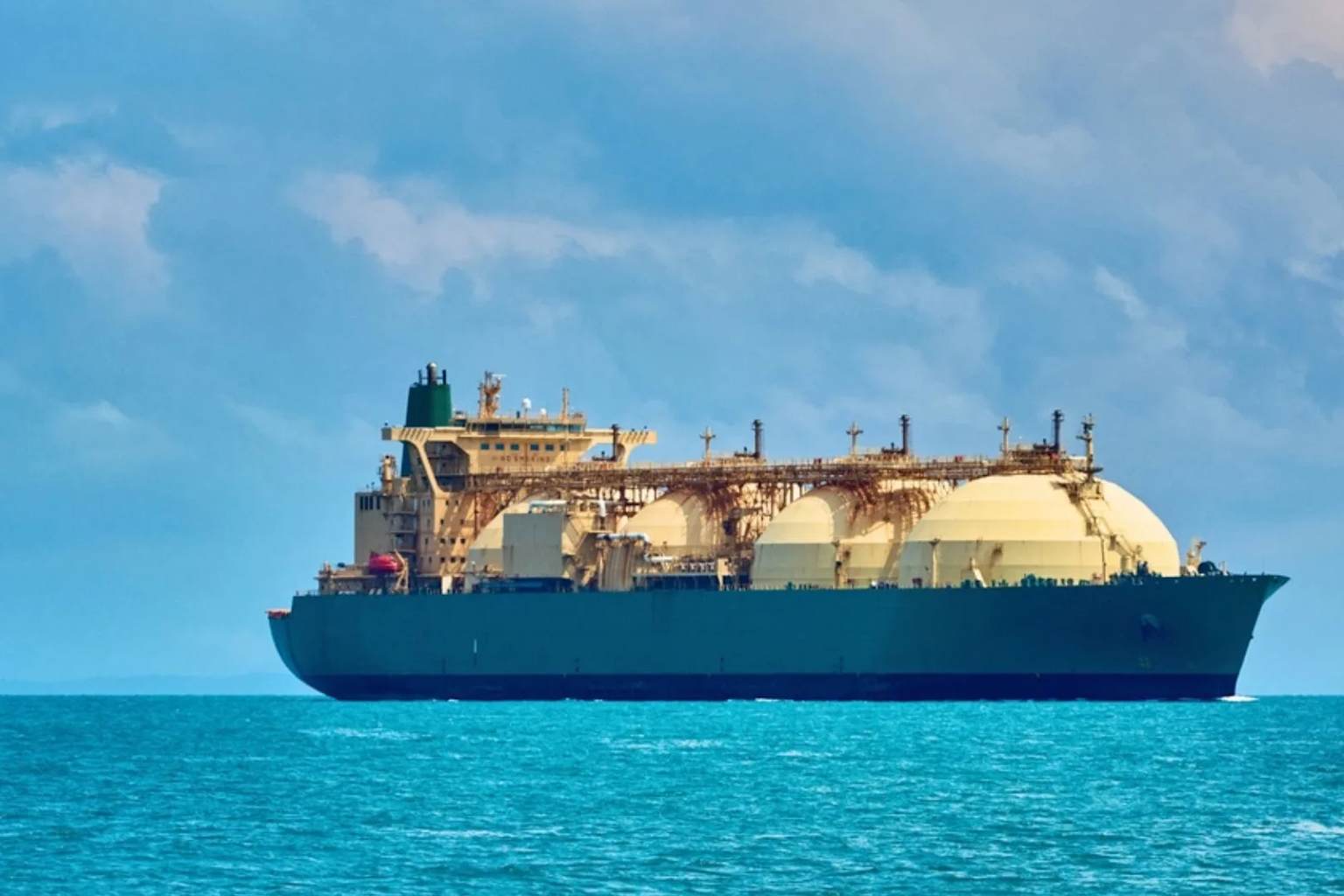
reuters.business-standard.infra.economictimes.indiatimes.More liquefied natural gas cargoes left the Strait of Hormuz in September than in any month since the US-Israeli war on Iran started, according to ship-tracking data. Analysts said they are not sure the flow can last into winter.
S&P Global Energy counted 19 LNG cargoes through the waterway in September: 13 from Qatar and six from the United Arab Emirates, Reuters reported. In June, when a pact between Washington and Tehran had started to take effect, the count was 15. Kpler, another analytics firm, counted 21 cargoes leaving the strait in September, also up from 15 in June.reuters+1
Before the war began on February 28, about a fifth of the world's crude oil and LNG supplies passed through the strait. Even at September's pace, LNG traffic is still far below that level.business-standard+1
"LNG transits through the Strait of Hormuz accelerated in the second half of September and if this is maintained into October, we could see full-month transits recover to 25% of pre-war levels," Eric Yep, a senior principal analyst at S&P, told Reuters.reuters
This week, Kpler and LSEG ship-tracking data showed three more tankers that had loaded at Qatar's Ras Laffan export terminal turning up outside the strait:theedgemarkets+1
infra.economictimes.indiatimesinfra.economictimes.indiatimesinfra.economictimes.indiatimesQatarEnergy did not immediately respond to a request for comment, and Pronav declined to comment.infra.economictimes.indiatimes
Many ships make "dark transits" through the strait, switching off their Automatic Identification System transponders so they can't be tracked. That helps explain why S&P and Kpler came up with different totals.infra.economictimes.indiatimes
"The key concern is whether LNG transits through Hormuz can be sustained through winter," Yep said. He said that depends on two things. One is whether Iran sees rising exports as losing its grip on the strait and responds with a bigger military escalation. The other is whether convoys escorted by the US Navy can keep running despite their high cost.business-standard+1
Oil traffic has recovered further than LNG. South Korea's SBS, citing Kpler, reported that crude and refined fuel shipments through the strait averaged 13.1 million barrels per day last week. That is about 77% of the pre-war level of 17.1 million barrels.news.sbs
Kpler had warned in late July, after fighting between the US and Iran flared again, that traffic through the strait would stay tightly restricted for the rest of the year and only recover during the first quarter of 2027.kpler