Newsletter Subscribe
Enter your email address below and subscribe to our newsletter
[forminator_form id="25163"]

All voices matter
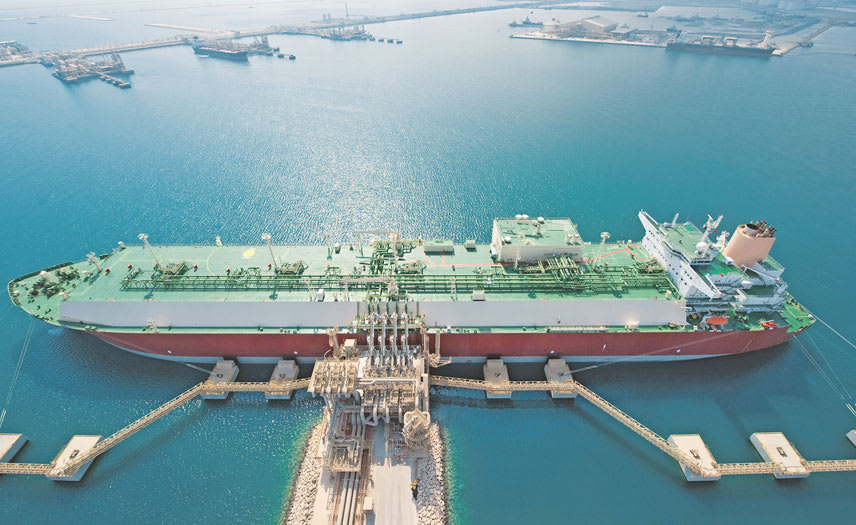
reutersglobalbankingandfinance+1globalbankingandfinance+1Asia is on track for its weakest September of liquefied natural gas imports in eight years, as soaring spot prices driven by the loss of Qatari supply through the Strait of Hormuz push buyers in China, India, and Pakistan to the sidelines — freeing cargoes for a Europe desperate to fill dangerously low gas storage before winter.
The continent is expected to receive just 20.09 million metric tons of LNG this month, the lowest September figure since 2018, according to data from commodity analysts Kpler cited by Reuters. That marks a sharp decline from the 22.27 million tons imported in September 2025 and 22.25 million tons in August.reuters
The collapse in Asian buying traces directly to the war between the United States and Iran, which has choked off shipments through the Strait of Hormuz since late February. Qatar, which supplied nearly 20% of global LNG before the conflict began on February 28, saw just one cargo — roughly 70,000 tons — exit the strait in August, down from a monthly average of 6.51 million tons in the three months prior. Shell estimates the disruption has removed 36 million metric tons of supply from the market this year.globalbankingandfinance+1
Spot LNG prices in Northeast Asia have nearly tripled since the conflict began, reaching $28.40 per million British thermal units this week, according to Energy Intelligence. That level is roughly double the threshold at which Chinese imports remain profitable, forcing the world's would-be largest buyer to cut September arrivals to an estimated 4.32 million tons, down from 5.32 million a year ago. India's imports are forecast at just 1.86 million tons, the lowest since March, while Pakistan expects a mere 120,000 tons.oilprice+1
The retreat of Asian buyers is redirecting supply toward Europe, where gas storage stands at roughly 68% of capacity — about 16 percentage points below the five-year average and a record low for this time of year. European LNG imports are forecast to climb to 7.98 million tons in September and exceed 10.5 million tons in both October and November.global-energy-flow+1
"Right now, where we stand in Europe is at a historically low storage level heading into the end of fall," Shell's president of Integrated Gas, Cederic Cremers, said at the Gastech conference in Bangkok this week. Cheniere Energy Chief Commercial Officer Anatol Feygin echoed the concern: "Unfortunately, it seems to us that Europe is in a very difficult position going into this winter".globalbankingandfinance
Analysts warn the reprieve could be short-lived. Simon Flowers, chairman of Wood Mackenzie, said a colder-than-normal winter could push prices to $40 per MMBtu — equivalent to roughly $240 per barrel of Brent crude — a level that would trigger demand destruction. ExxonMobil Exxon Mobil Corporation vice president Andrew Barry noted that the 45-day shipping route from the U.S. to North Asia could limit how quickly cargoes reach Asian buyers during a cold snap, intensifying the scramble for supply. Equinor executives said European buyers would likely have to compete directly with Asia for U.S. cargoes if both regions face harsh weather simultaneously.oilprice+1