Newsletter Subscribe
Enter your email address below and subscribe to our newsletter
[forminator_form id="25163"]

All voices matter
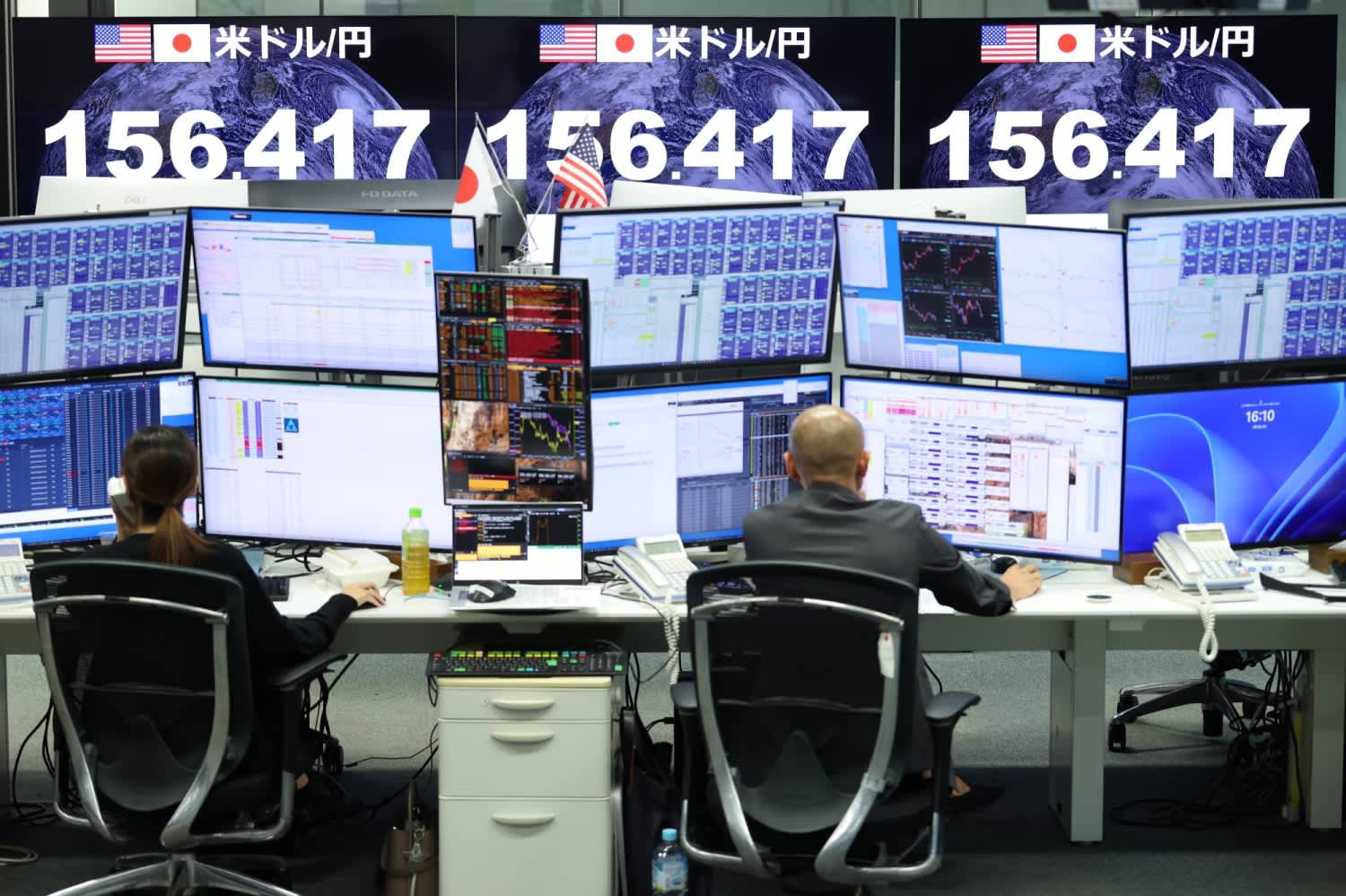
cnbc+1japantimes+1uaThe Federal Reserve on Wednesday approved a unanimous 25-basis-point interest rate increase — its first since July 2023 — lifting the federal funds rate to a target range of 3.75% to 4% and projecting further tightening ahead. The move sent the yen sliding as much as 1% to 156.42 per dollar overnight, raising the pressure on the Bank of Japan to deliver a convincing hawkish message at its two-day policy meeting concluding Friday.japantimes+2
The widening US-Japan rate gap now threatens to undo the yen's sharp rally from earlier this month, when the currency had surged to a seven-month high on expectations of faster BOJ tightening and speculation that Japanese pension funds could shift more money into domestic assets.reuters+1
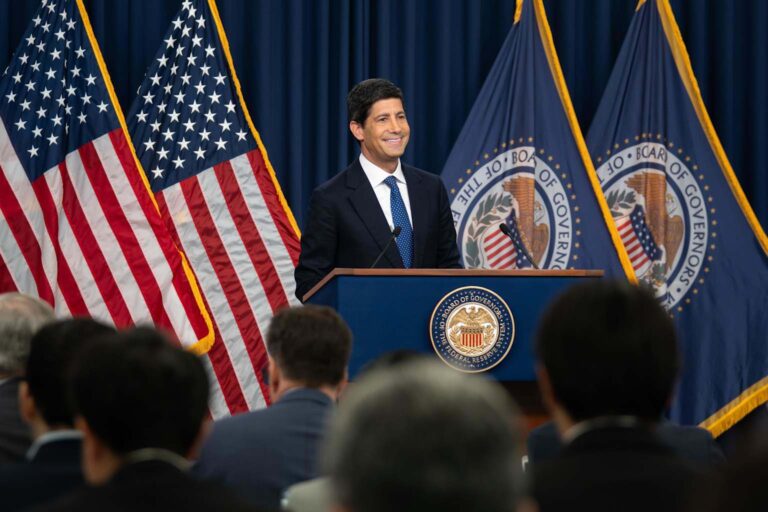
The FOMC voted 12-0 to raise rates, with updated projections showing 16 of 18 participants foreseeing at least one additional hike before year-end and eight expecting another increase in 2027. Chairman Kevin Warsh said monetary policy remained "accommodating growth" and struck a hawkish tone during his press conference, noting that no participants now see risks tilted toward weaker GDP growth or labor markets.fxstreet+2
Markets responded by pushing short-term Treasury yields to their highest level in more than two years, while EUR/USD fell sharply below 1.15. Equities ended only marginally lower, suggesting the hike itself had been largely priced in.fxstreet
The Bank of Japan is widely expected to raise its policy rate by 25 basis points to 1.25% when it announces its decision on Friday, September 18. Markets have nearly fully priced in the move, shifting attention to Governor Kazuo Ueda's press conference and any signals about the pace of further tightening.ua+3
Glenn Yin, research director at ACCM in Melbourne, said Japan is "under significant pressure not only to raise rates but also to send a hawkish signal to markets," warning that if the BOJ disappoints, a rapid move toward 160 yen per dollar cannot be ruled out. Akira Moroga, chief market strategist at Aozora Bank, noted that a rate increase alone may not be enough to support the yen if the BOJ's stance appears less hawkish than the Fed's, identifying 158.50 as the next key threshold near the 200-day moving average.ua
The yen's reversal comes after hedge funds had already begun reducing bearish positions. According to the U.S. Commodity Futures Trading Commission, leveraged traders halved their bets against the yen in the week through September 8. SMBC Nikko Securities strategist Rinto Maruyama said the weakening yen gives the BOJ additional grounds to emphasize inflation risks, though he does not expect a signal of a 50-basis-point increase. With both central banks now tightening, the gap between their policy rates — and the conviction each projects about future moves — will determine whether the yen stabilizes or resumes its slide.ua